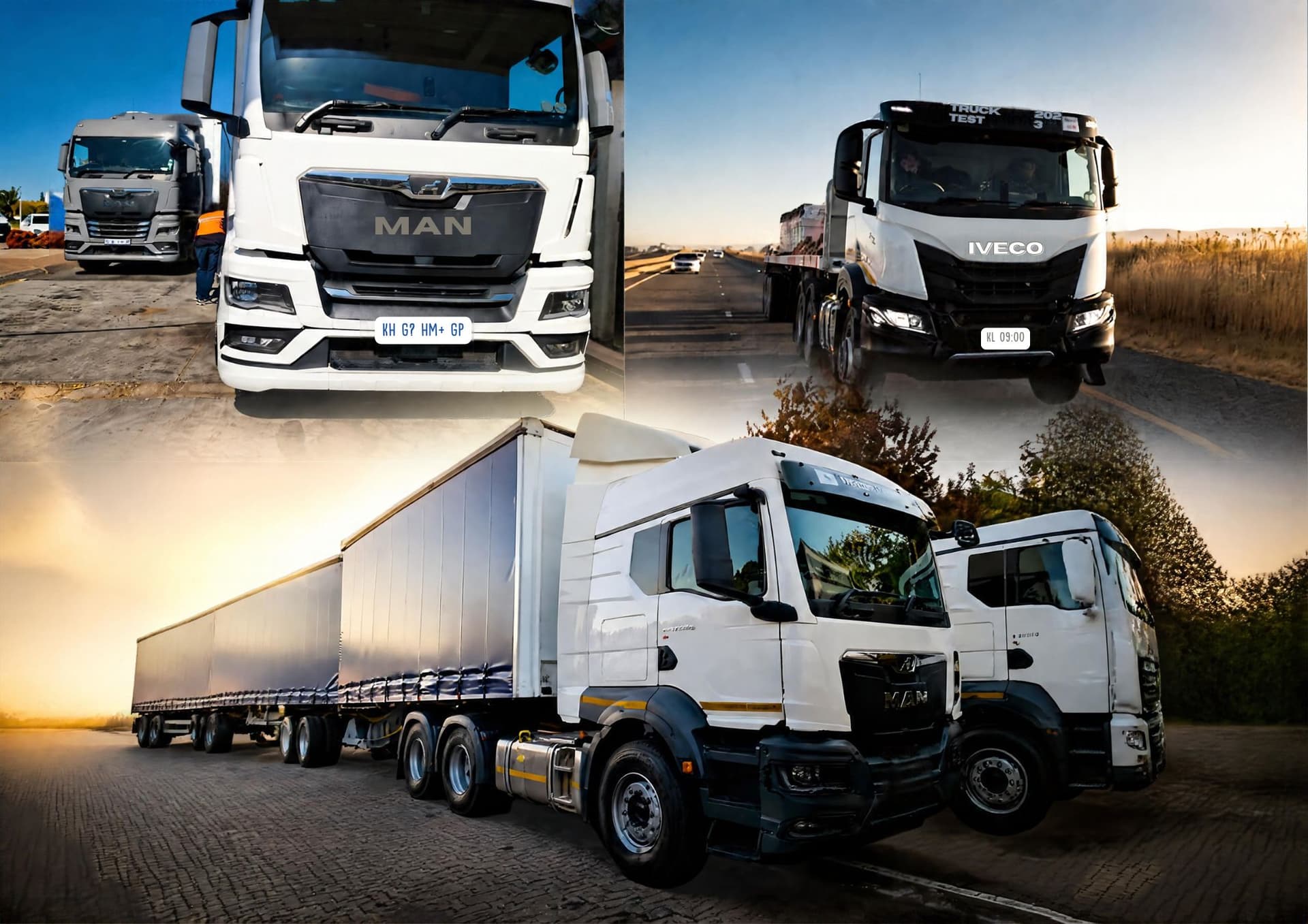
At the Hella Synergy event in Sandton on 9 June 2026, Andrew Fuller, Sales and Marketing Manager at Hella Automotive South Africa, delivered a clear message to the aftermarket. The opportunity remains strong, but the market is changing and businesses need to adapt with discipline rather than panic.
Speaking under the theme Preparing for the evolving vehicle parc, Fuller said the South African aftermarket is not shrinking. Instead, it is being reshaped by changing vehicle technology, an ageing car parc and the gradual rise of hybrid and electric vehicles.
For now, internal combustion engine vehicles still dominate the local landscape. Fuller pointed out that electric vehicles made up only a tiny share of the South African market in 2023, while hybrids remain a more visible growth segment. Even so, he stressed that the shift towards new energy vehicles is under way and that businesses need to start preparing now rather than waiting for volumes to surge.
A key factor in this transition is the age of the car parc. With vehicles on South African roads averaging more than 10 years old, traditional ICE parts and services will remain the core revenue driver for some time. Categories such as wipers, sensors, globes and lighting systems are expected to remain resilient because they are not dependent on engine type or power source.
At the same time, Fuller said newer vehicles are becoming far more reliant on electronics, sensors and control units. Thermal management is also emerging as a critical category, especially as hybrid and electric systems become more common. This means demand is likely to shift gradually away from parts such as exhaust and fuel systems and towards more advanced electronic and cooling-related components.
Fuller also highlighted the structural factors shaping adoption. South Africa still has more than 5,000 fuel stations compared with fewer than 600 charging stations, which continues to support the dominance of ICE vehicles. However, government incentives and industrial policy may accelerate change from the manufacturing side. These include the 150 per cent tax incentive for EV production and proposals around battery manufacturing, both of which could strengthen the local new energy vehicle ecosystem over time.
For distributors, Fuller recommended a phased inventory strategy built around three horizons. The immediate focus should be on protecting current ICE revenue through strong stockholding in fast-moving parts. The next step is to begin introducing EV and hybrid-related parts selectively as demand develops. Crucially, he argued that distributors must evolve from simply moving boxes to selling solutions through training, diagnostics support and technical guidance for workshops.
For workshops, the challenge is even more immediate. Fuller said traditional mechanical skills alone are no longer enough. Technicians need stronger diagnostic capability, a better understanding of software and electronics, and awareness of the health and safety requirements involved in working with high-voltage systems. Investment in modern diagnostic tools and test equipment, he said, will become essential for workshops that want to remain relevant and profitable.
Throughout his address, Fuller positioned Hella as a long-term partner in that transition. He said the company’s dual focus on maintaining a strong ICE portfolio while investing in future-facing categories such as thermal management, advanced sensors and electronics would help both distributors and workshops navigate the shift.
His conclusion was straightforward. The southern African aftermarket still offers significant opportunity, but the winners will be those who continue serving today’s vehicles while building the skills, stock and strategy needed for tomorrow’s technologies.