The US Federal Trade Commission has issued a proposed order settling action against General Motors and its subsidiary OnStar over allegations of misusing driving data that was used to set insurance rates.
Under the proposed order, General Motors LLC, General Motors Holdings LLC and OnStar LLC, which are owned by General Motors Company, will be banned for five years from disclosing geolocation and driver behaviour data to consumer reporting agencies. They also must take other steps to provide greater transparency and choice to consumers over the collection, use and disclosure of their connected vehicle data.
According to the commission, GM and OnStar collected, used and sold drivers’ precise geolocation data and driving behaviour information from millions of vehicles without adequately notifying consumers and obtaining their affirmative consent.
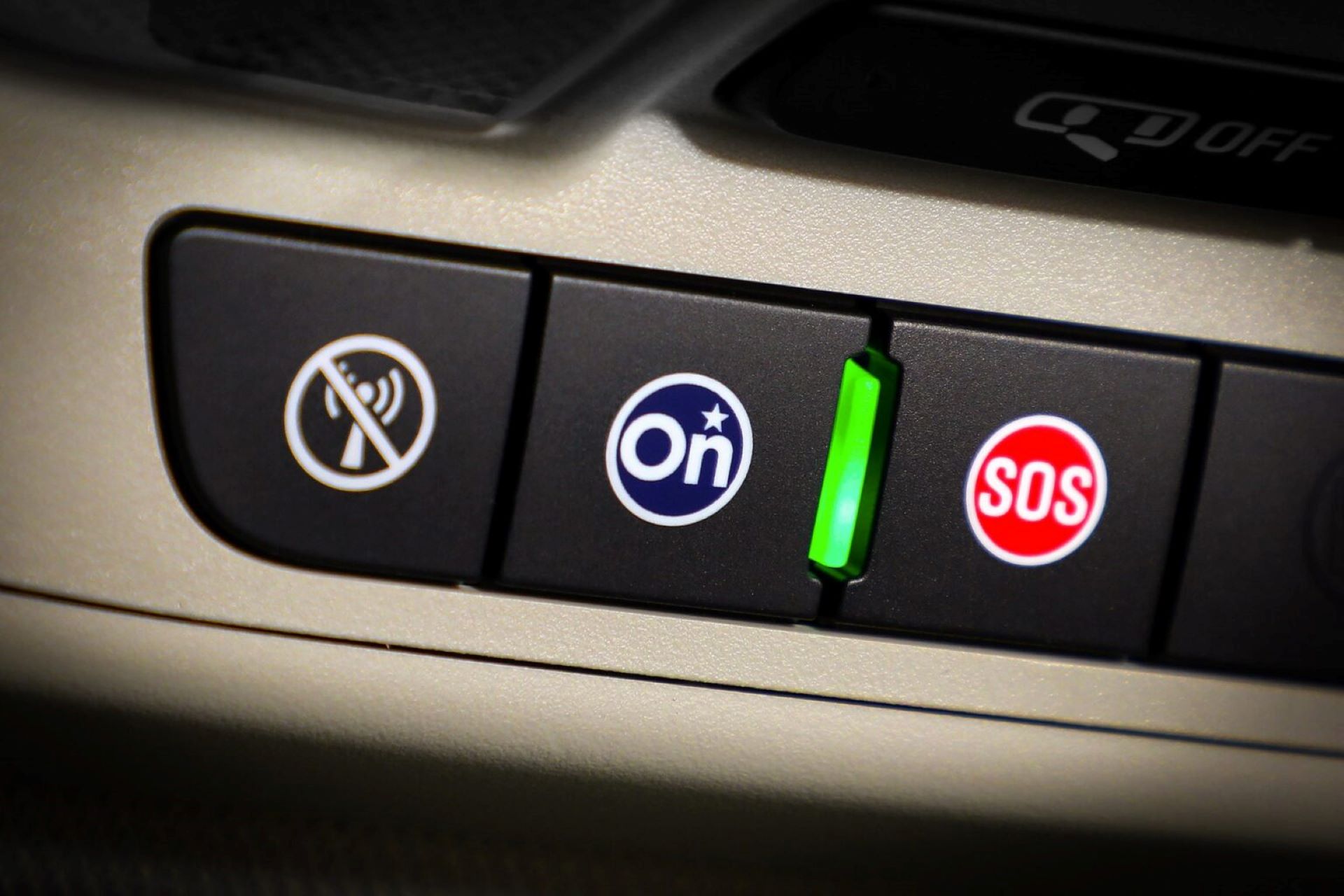
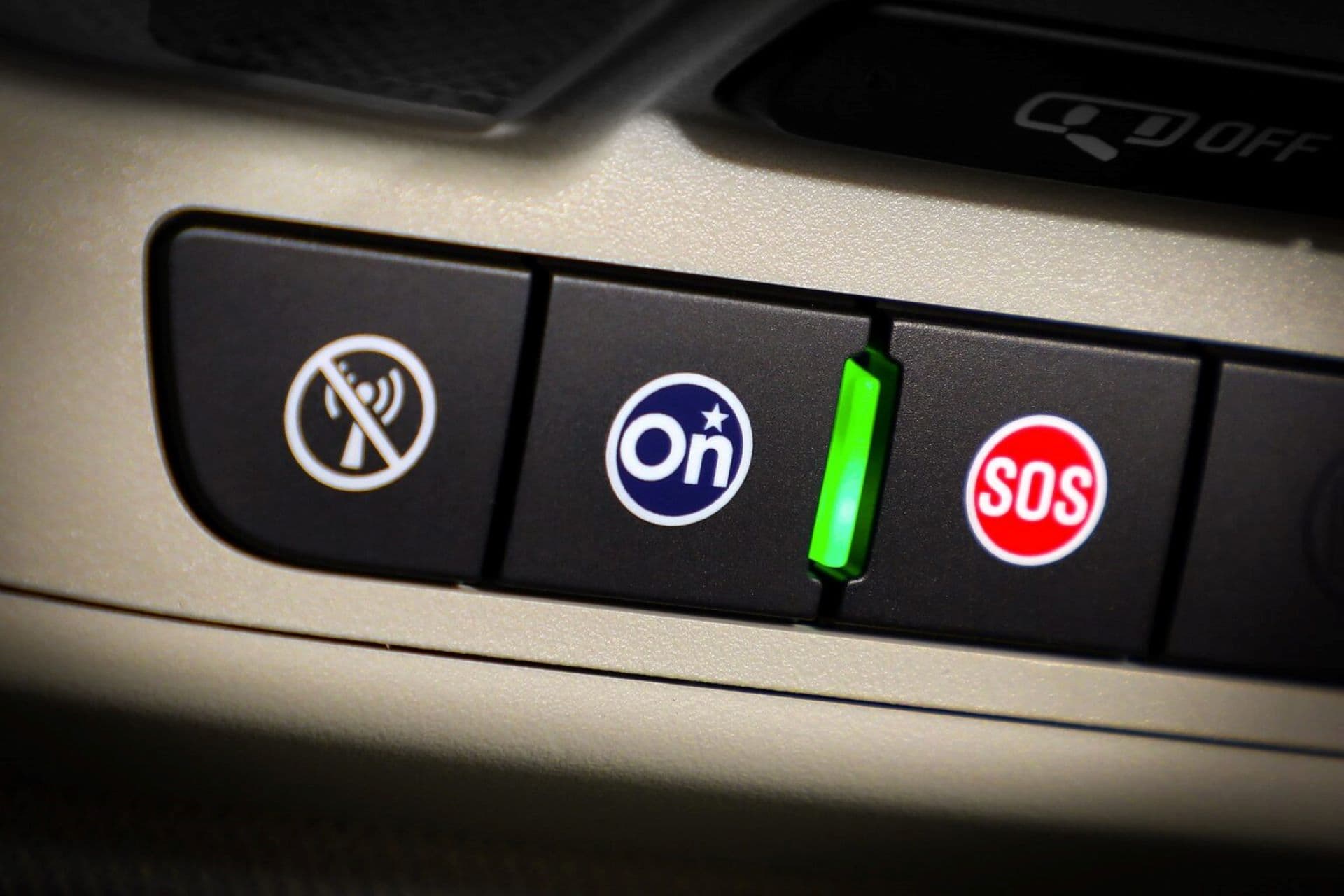
In its complaint, the FTC alleged that GM used a misleading enrolment process to encourage consumers to sign up for its OnStar connected vehicle service and the OnStar Smart Driver feature. GM offered OnStar as a service that aids consumers during an emergency by providing hands-free voice assistance along with real-time traffic and navigation information.
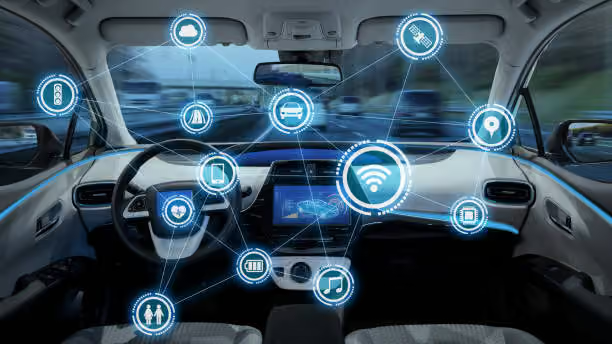
Over time, the company increased the amount of data it collected through OnStar, including driving behaviour such as every instance of hard braking, late night driving, and speeding. The data was sold to consumer reporting agencies, which used the information to compile credit reports on consumers, which were then used by insurance companies to deny insurance and set rates.
GM also began collecting precise geolocation data, collected every three seconds for some users. The FTC said tracking and collecting geolocation data can be extremely privacy invasive, revealing some of the most intimate details about a person’s life such as whether they visit a hospital or other medical facility, and exposing their daily routines.
The commission alleged that GM’s enrolment process for data collection was confusing and misleading, with customers often told that data would be used to help them assess their driving habits.