The Dakar Rally has evolved into a global test of technology, teamwork and endurance, yet South Africa’s influence remains deeply rooted in its modern identity. As the 2026 event approaches, the scale of South African involvement reflects decades of experience built across cars, trucks and motorcycles.
At the forefront is Toyota Gazoo Racing South Africa, which continues to be a pillar of Dakar competition. Its four GR Hilux IMT Evo entries represent the latest chapter in a development story that has delivered recent Dakar victories and consistent podium contention. The vehicle’s design philosophy and preparation remain closely linked to South African rally raid expertise.
The TGRSA crews bring together drivers and navigators from South Africa, Europe and South America, highlighting the international appeal of South African machinery. Saood Variawa (South Africa) and Guy Botterill (South Africa) fly the local flag behind the wheel, while team mates Juan Cruz Yacopini (Argentina) and João Ferreira (Portugal) add further international depth. Navigators Daniel Oliveras (Spain), Francois Cazalet (France), Oriol Mena (Spain) and Filipe Palmeiro (Portugal) complete a line up built to handle the physical and strategic demands of Dakar.
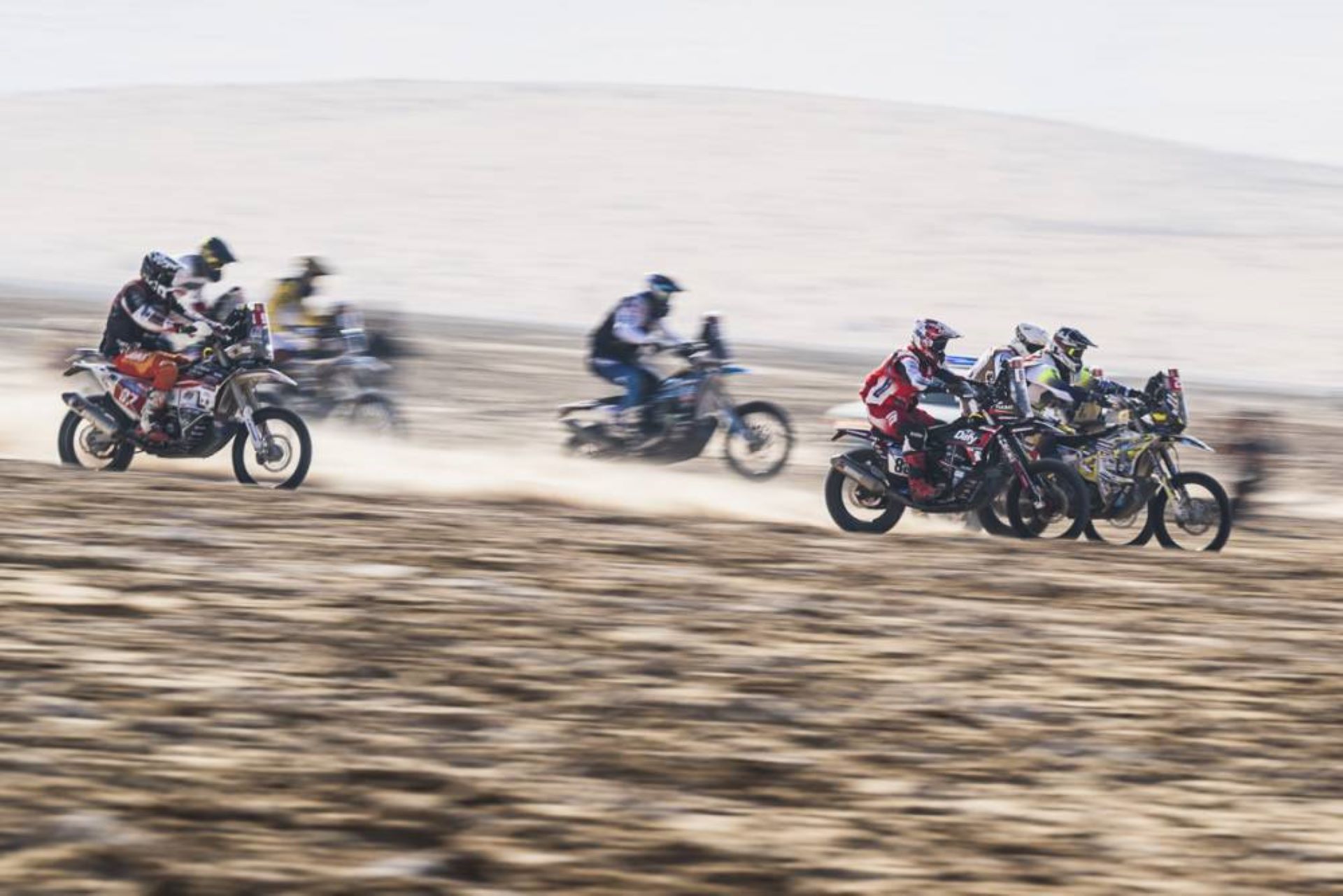
Century Racing offers another example of South African innovation competing at the sharp end. The Century CR7 has established itself as a reliable and competitive platform, with Brian Baragwanath (South Africa) and Leonard Cremer (South Africa) continuing that legacy in 2026.
Manufacturing also plays a crucial role. The Volkswagen Amarok, assembled in South Africa, returns to Dakar duty through PS Laser Racing. Crews featuring Henry Köhne (South Africa) and Stuart Gregory (South Africa), alongside Daniel Schröder (Germany) and Jürgen Schröder (Germany), ensure that local experience remains embedded in these international entries.
South Africa’s contribution is not limited to the car classes. In the Side by Side and Challenger categories, South African co drivers such as Dennis Murphy (South Africa) and Leander Pienaar (South Africa) appear regularly. Even in the truck category, Grant Ballington (South Africa) competes alongside Tomáš Tomeček (Czech Republic) and Metoděj Tomeček (Czech Republic), ensuring local representation reaches into the heavyweight division.
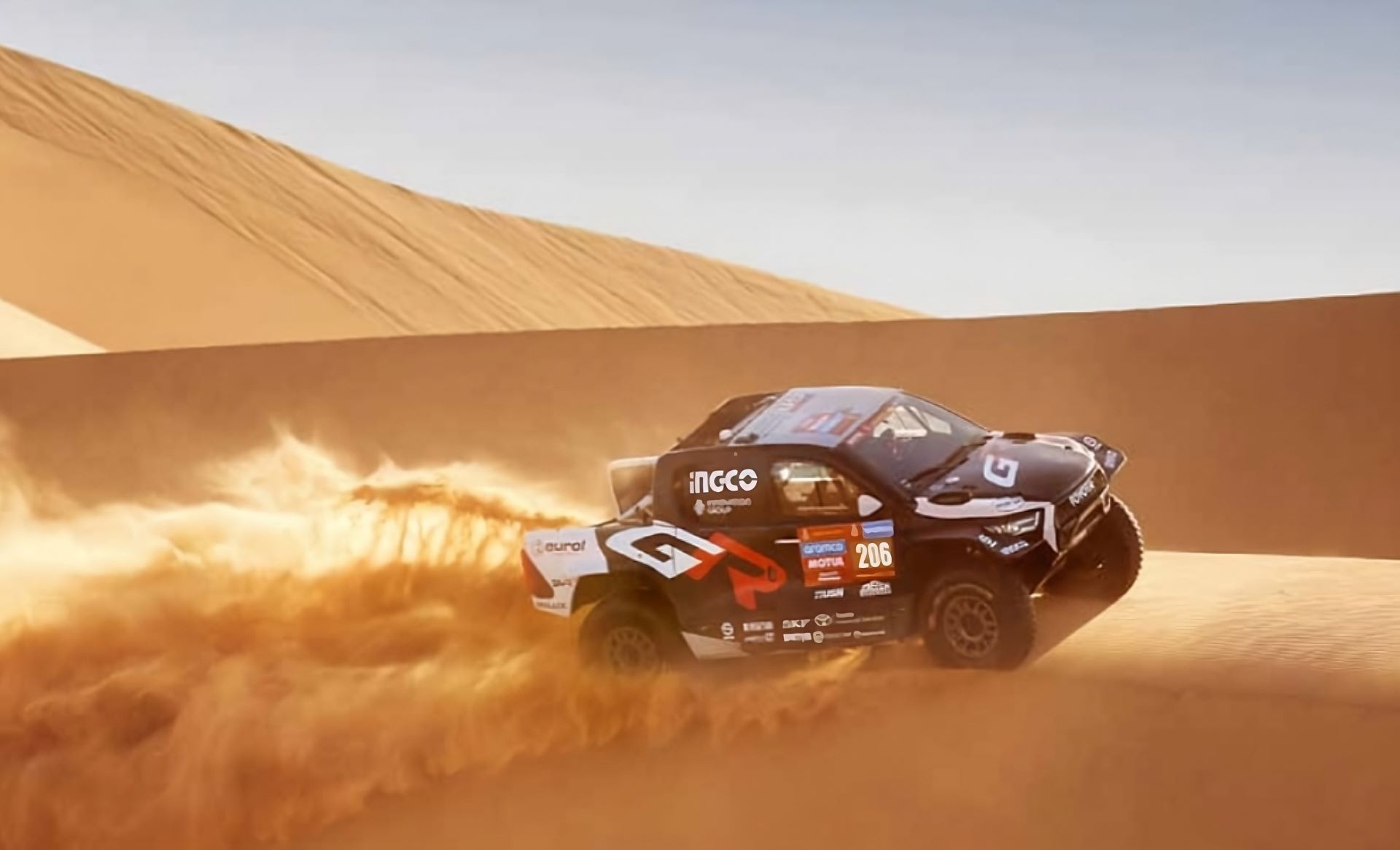
On motorcycles, South African riders continue to pursue success in one of Dakar’s most punishing classes. Bradley Cox (South Africa) competes at RallyGP Elite level, while Michael Docherty (South Africa) and Ronald Venter (South Africa) take on the demanding Rally2 category.
Taken together, South Africa’s presence at Dakar 2026 is both broad and influential. From vehicle design and assembly to driver and rider participation, the nation remains woven into the fabric of the rally.