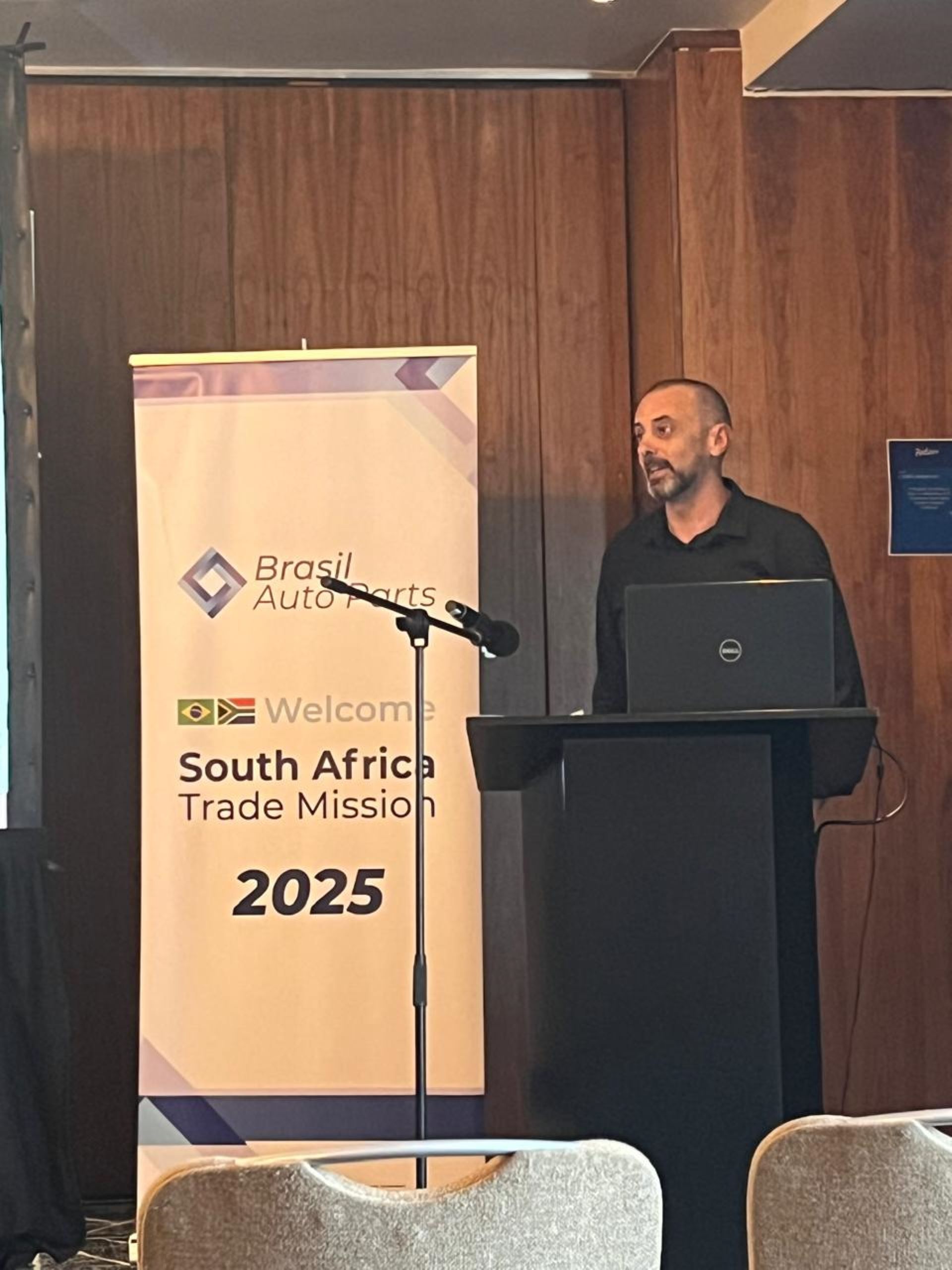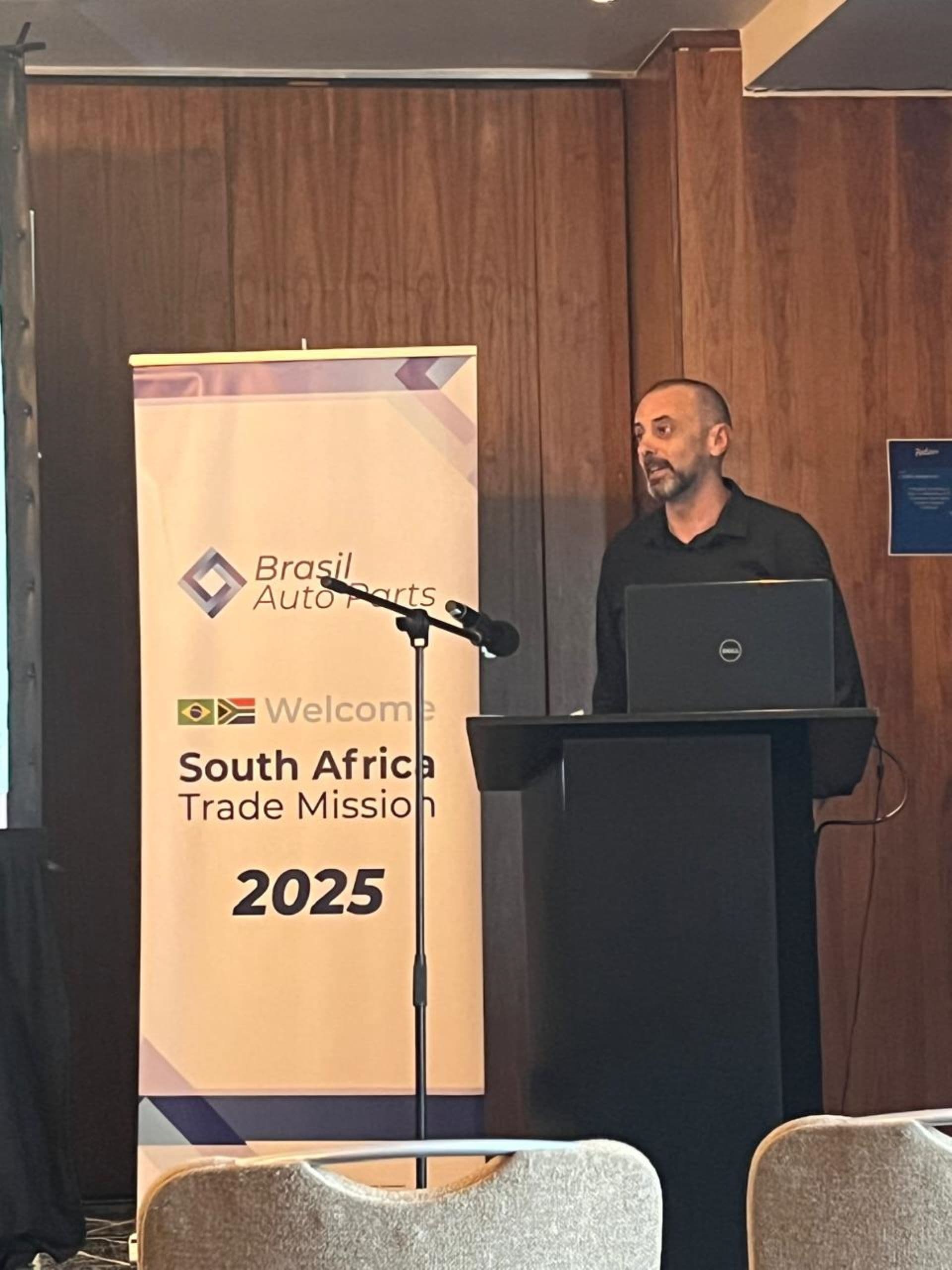
The South African automotive aftermarket presents substantial opportunities for international suppliers, according to TEPA Chairman Johann van de Merwe, who recently briefed Brazilian industry representatives during a technical seminar.
Speaking at the Brazil Auto Parts Trade Mission, Van de Merwe painted a picture of a thriving sector that accounts for 5.2% of the country's GDP whilst providing considerable employment across the value chain.
The numbers tell a compelling story: more than 13 million vehicles on South African roads, a fleet expanding by 2.5% each year, and an aftermarket worth R104 billion annually. These figures underscore both the market's current strength and its future trajectory.
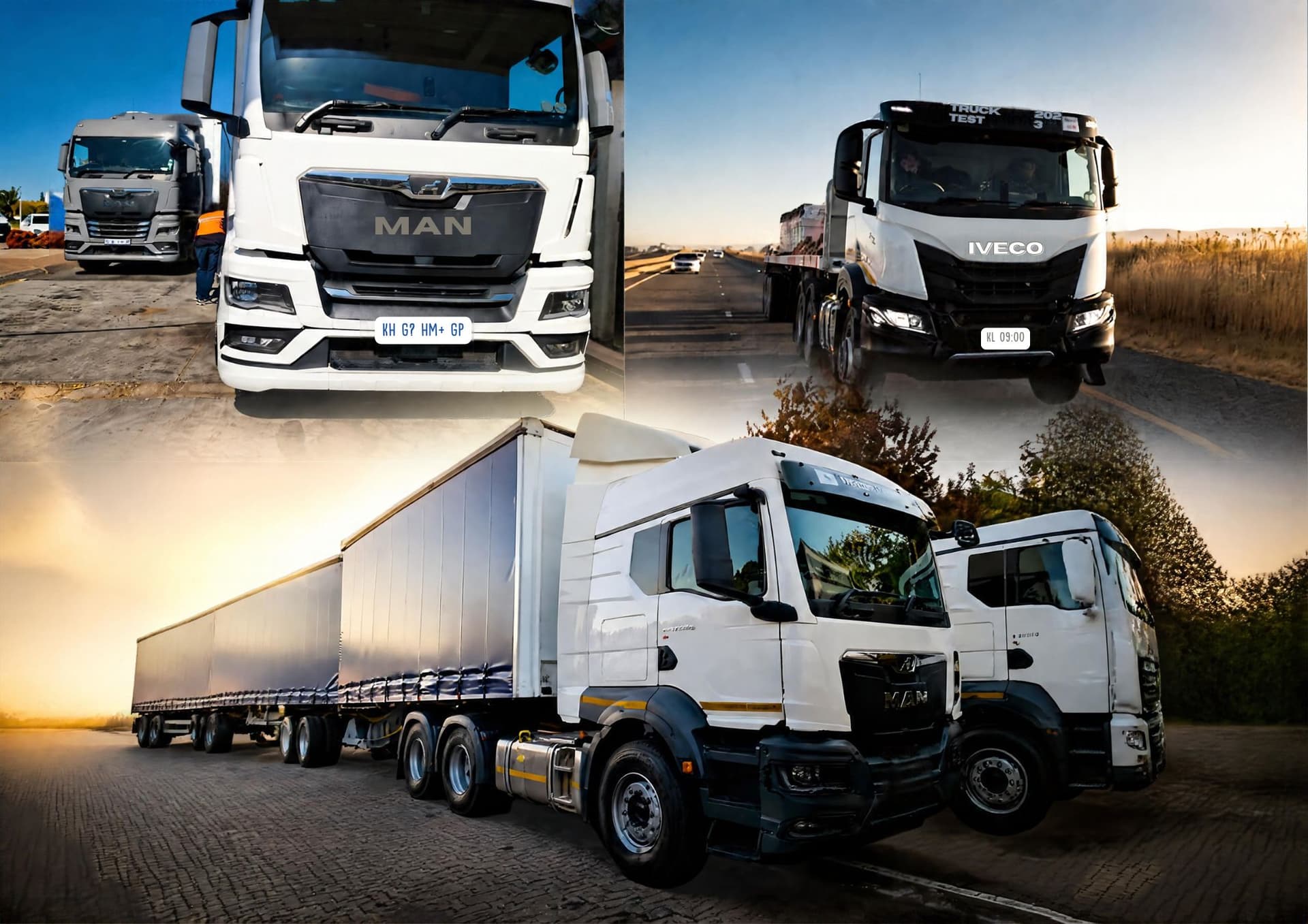
The composition of South Africa's vehicle population creates consistent demand for aftermarket products. With a split of roughly 70% passenger cars to 30% commercial vehicles, and a fleet age averaging a decade, the need for replacement components, tyres, and accessories remains constant. Van de Merwe emphasised that the variety within the parc, coupled with substantial import activity, generates continuous opportunities for suppliers across multiple product lines.
Particularly strong growth is evident in replacement parts, tyres, and vehicle accessories. This demand stems from several factors: an ageing vehicle population requiring regular maintenance, plus growing consumer appetite for vehicle personalisation and off-road capabilities.
A significant regulatory development has reshaped the competitive landscape. The Competition Commission guidelines now allow motorists to service their vehicles at independent workshops without affecting warranty coverage, whilst enabling aftermarket suppliers to compete on a more equal footing with OEM suppliers. Van de Merwe described this as transformational, creating greater competition and expanding market access for domestic and foreign players alike.
He noted that local manufacturers, traditionally focused on OE business, can now forge stronger partnerships with the aftermarket sector - a shift made more urgent by uncertainties surrounding revised AGOA arrangements affecting South Africa's manufacturing and automotive industries.
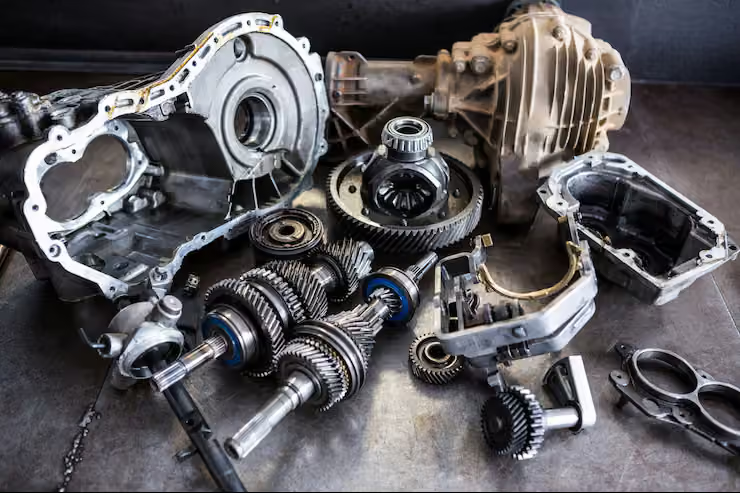
For Brazilian companies specifically, Van de Merwe identified promising opportunities in engine components, braking systems, suspension parts, and electrical assemblies. Niche segments including performance enhancement products, infotainment systems, and off-road equipment also offer potential entry points. The growing role of e-commerce in direct consumer engagement and brand development shouldn't be overlooked, he added.
Van de Merwe concluded by noting that Brazilian manufacturers, with their established production capabilities and competitive product ranges, are ideally positioned to capitalise on South Africa's expanding aftermarket sector.