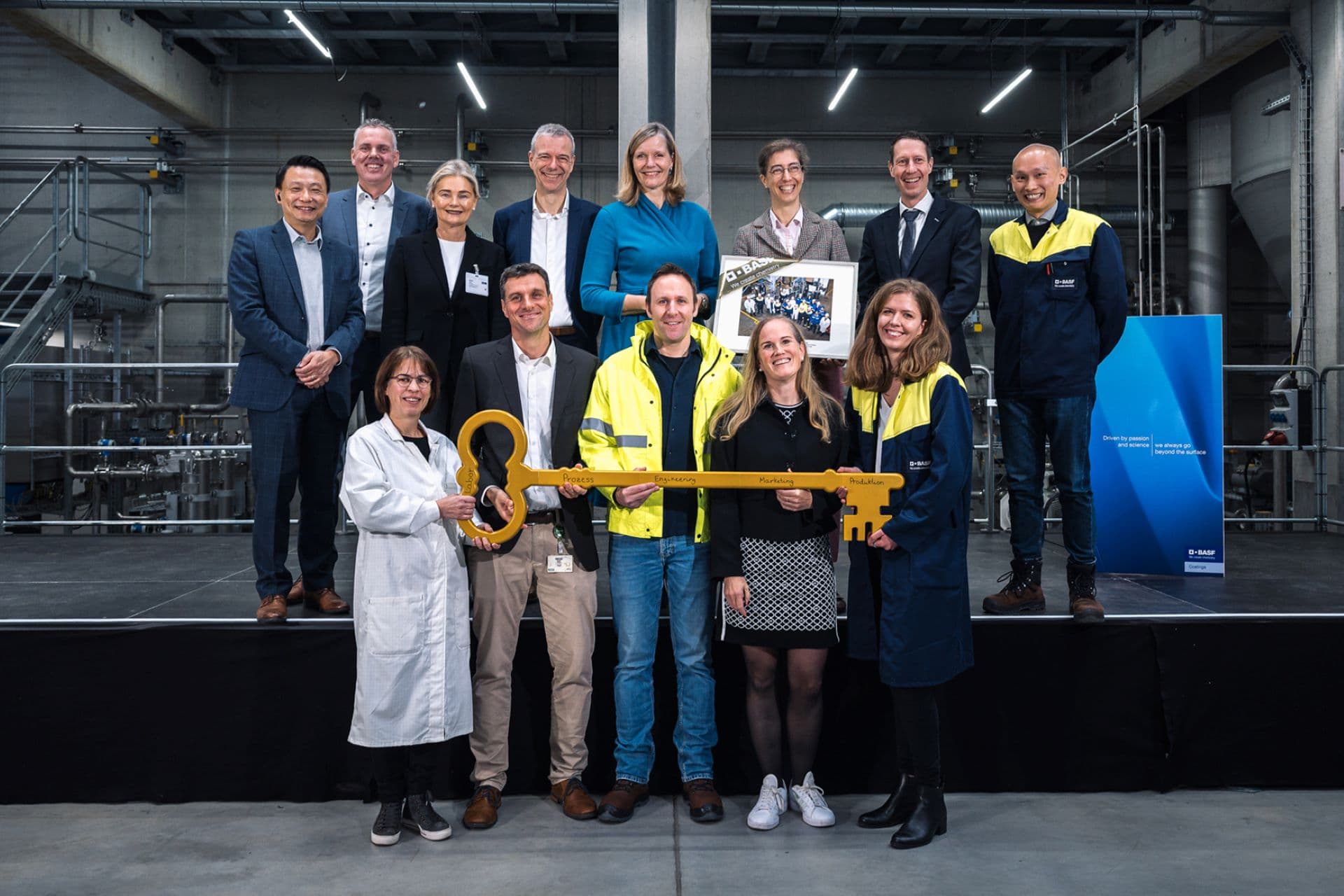
BASF Coatings has taken a major step forward in automotive paint production with the launch of a highly advanced manufacturing plant at its Muenster site in Germany. This new facility is dedicated to producing high-demand OEM colours – the shades that dominate today’s market – while delivering exceptional consistency and efficiency.
This investment represents a pivotal moment for BASF Coatings, strengthening its position in the high-volume coatings sector. The plant’s sophisticated automation systems not only improve process reliability but also support more sustainable operations, aligning with the company’s long-term environmental goals.
The project has been one of BASF Coatings’ most significant undertakings in recent years. From the initial concept in 2019 to two and a half years of construction and now full-scale production, the achievement reflects the expertise and commitment of BASF’s global teams.
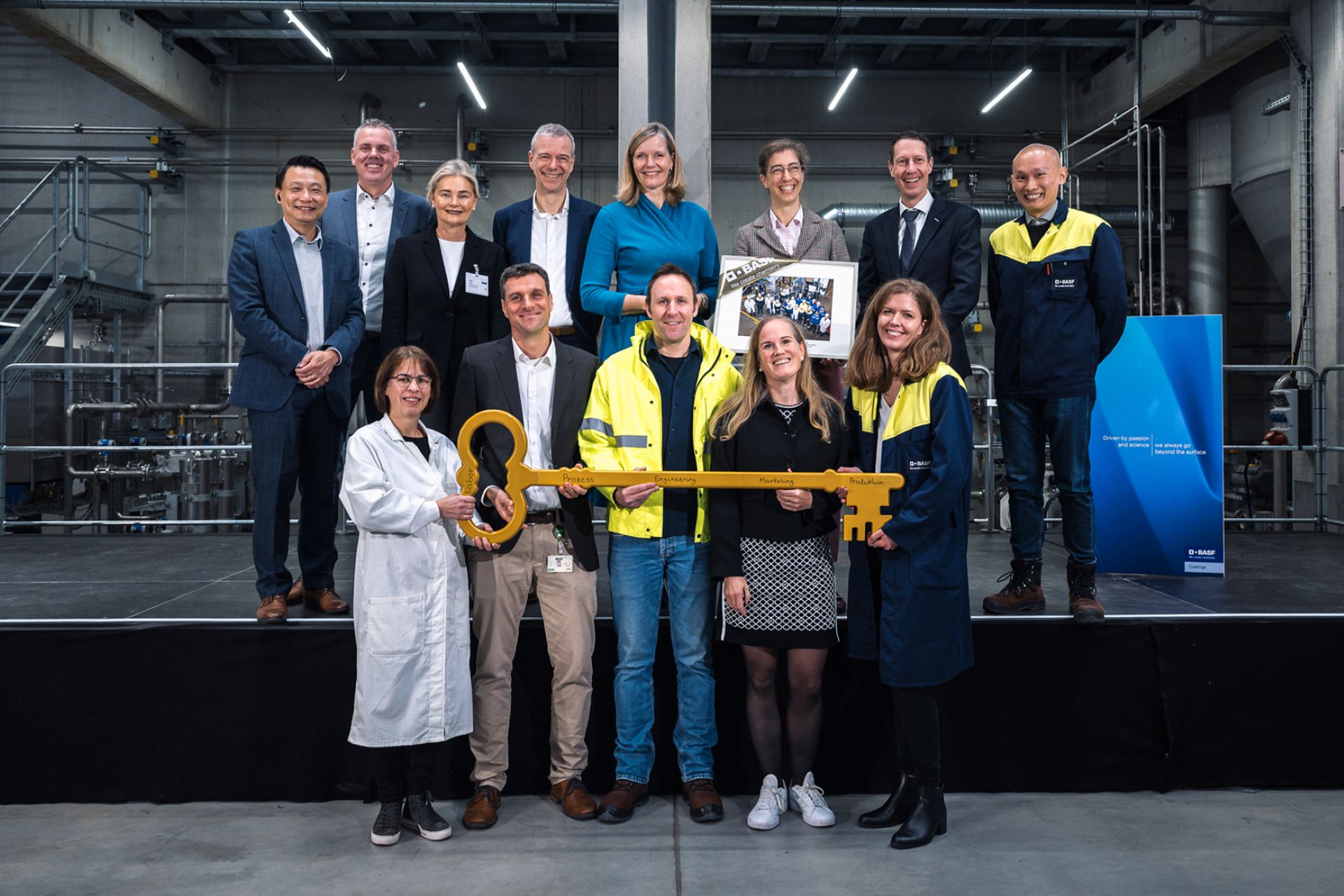
“Our ability to innovate and continuously improve is what makes us a trusted partner in the industry,” said Uta Holzenkamp, President of BASF Coatings. “This facility is a testament to outstanding teamwork across multiple BASF locations worldwide.”
Nils Lessmann, Senior Vice President of Global Operations Paint & Resin, added: “The new plant introduces a more advanced process that guarantees consistent quality and stability. Our customers will benefit from our knowledge and experience, and we plan to roll out these best practices to our sites in Asia Pacific and North America.”
Sustainability has been a key focus throughout the project. The plant is designed to optimise energy use and reduce CO₂ emissions. Since 2022, the Muenster site has operated entirely on renewable wind power, cutting approximately 4,000 tonnes of CO₂ annually. It now joins other BASF Coatings facilities worldwide that run on 100% renewable electricity.
With this investment, BASF Coatings is not only meeting current market demands but also setting new standards for efficiency, quality, and sustainability in automotive coatings.