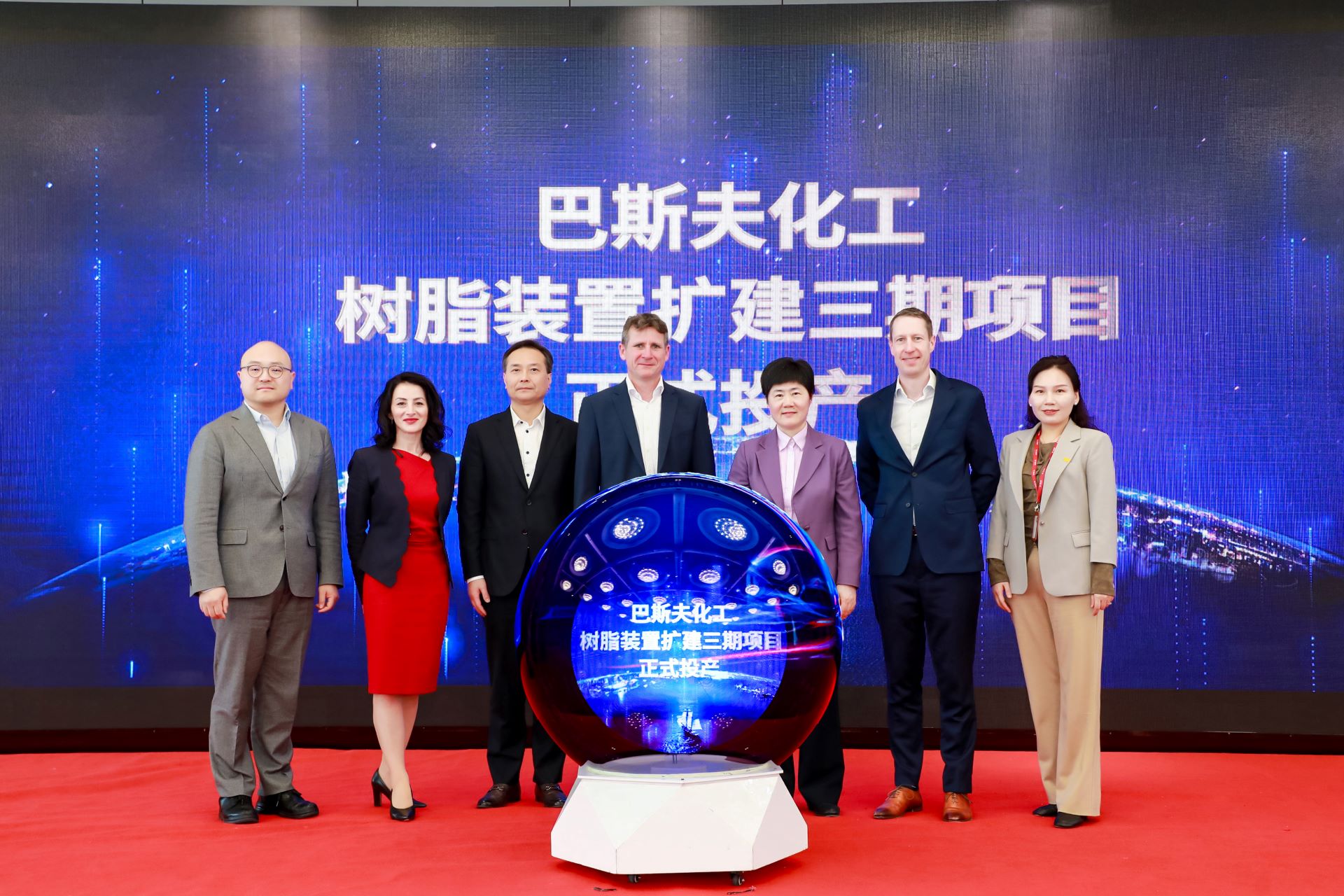
BASF’s Coatings division has successfully expanded its production capacity for polyester and polyurethane resin at its Caojing plant in Shanghai, China.
Originally established in 2015 with an annual capacity of 8,000 metric tons of polyester and polyurethane resin, the plant has now increased its capacity to 18,800 metric tons per year — a more than twofold increase.
In addition, BASF coatings is also planning to enhance its electrocoat binder production through process optimization at the Caojing site, starting in early 2026. This strategic move will strengthen BASF Coatings' leading position in the dynamic automotive coatings market, enabling the company to better support the growth of all coating layers used by automotive OEMs and component manufacturers over the next decade in the Asia Pacific region.
“The increased production capacity for resins and planned additional capacities for binders will enhance our supply reliability, enabling us to meet the growing demand for automotive OEM coatings in the region. This expansion underscores our commitment to local production and our ability to respond swiftly to customer needs,” said Patrick Zhao, Senior Vice President, Global Automotive OEM Coatings at BASF.
Located in the Shanghai Chemical Industry Park (SCIP), the BASF Caojing resin plant is serving the automotive coatings industry in China and the Asia Pacific region. The plant produces a range of raw materials of coatings, including acrylics, polyester, polyurethane, e-coat binder, and intermediate grinding resin. Notably, the facility is highly automated and powered by 100% renewable energy. This year marks the 10th anniversary of the resin plant’s successful operation.
“Over the past decade, the Caojing plant has set a benchmark for safe operations, innovation, and sustainability. The Shanghai Chemical Industry Park is committed to providing our valued partners, such as BASF, with a high-quality development environment and comprehensive support, including energy supply and improved utilities,” said Jinhua Hou, Deputy Director of the Shanghai Chemical Industry Park Administrative Committee.