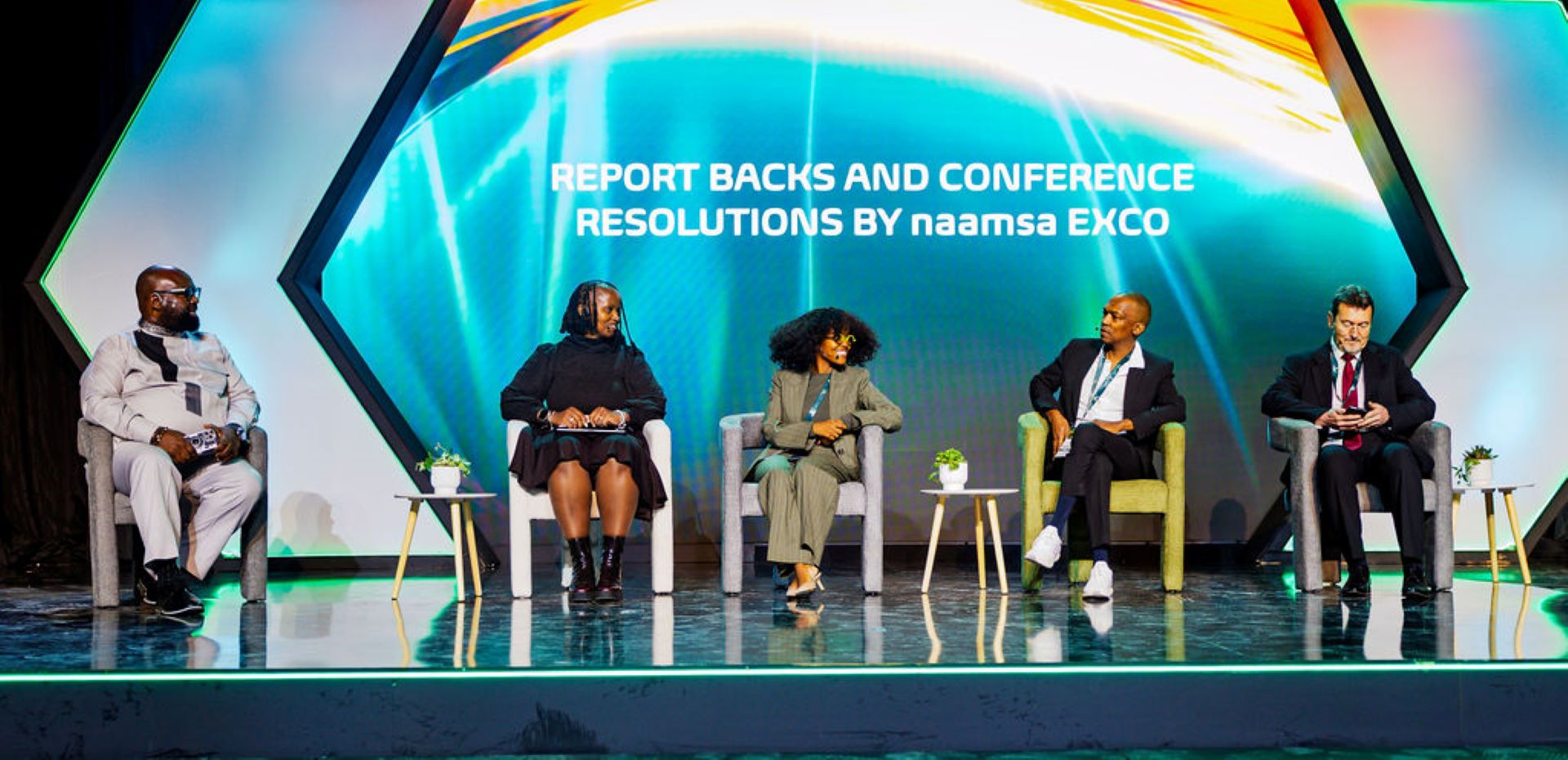
At the 2025 South African Auto Week in Gqeberha, the country’s automotive industry presented a united front of resilience and cautious optimism. After several years of uncertainty, the focus has shifted to safeguarding capacity, deepening regional trade and aligning with cleaner technologies.
Ecofin Agency reports that R15.8 billion in new capital commitments have been made in the past 18 months. These are largely defensive investments, aimed at upgrading existing facilities and protecting production capability. Minister Parks Tau used his keynote to reveal that South Africa’s vehicle exports to the United States have fallen sharply, from 34 percent in 2019 to 19 percent this year. He announced an extra R2.5 billion for the Automotive Investment Scheme, prioritising projects that meet 50 percent local content and 30 percent intra-African sales targets by 2028. The strategy marks a clear pivot towards African and European markets.
Industry leaders emphasised the urgent need to address infrastructure weaknesses. Naamsa CEO Mikel Mabasa cautioned that “a single summer of Stage-6 load-shedding could result in the removal of 28 000 vehicles from the 2026 production plan”, potentially cancelling out the sector’s forecasted 4 percent export growth. He called on manufacturers to diversify energy sources and market destinations.
Carmakers used the event to highlight progress rather than announce grand new ventures. BMW presented its first locally assembled X3 plug-in hybrid, while Ford confirmed a second shift for its Ranger PHEV at Silverton from 2026, aimed at the EU and Middle East. Volkswagen confirmed plans to assemble the right-hand-drive ID.4 electric SUV in Gqeberha from 2027, marking the first “Made in RSA” battery-electric vehicle.
The supporting supply chain is also repositioning. The National Association of Automotive Component Exporters signed an agreement to help 22 Tier-2 suppliers meet EU homologation standards by 2027. Meanwhile, Toyota is leading with R6.1 billion to modernise its Durban plant, followed by Ford’s R5.2 billion and Mercedes-Benz’s R2.1 billion commitments. Although these projects sustain South Africa’s current production ceiling of 500 000 units a year, they represent a sector intent on stability, innovation and future readiness.