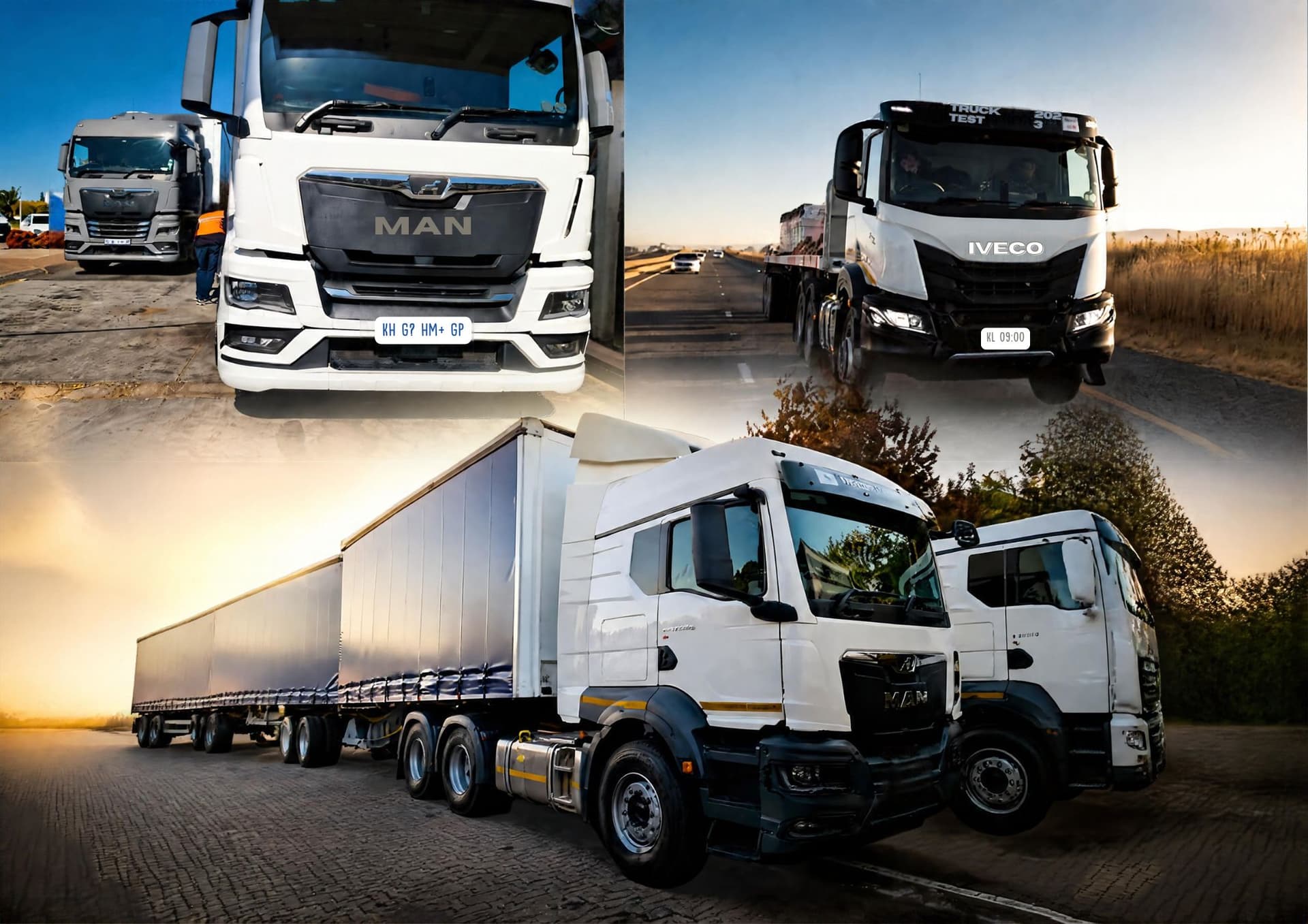
Africa’s automotive landscape is undergoing a dramatic transformation.Once dominated by established European and American brands, the market is nowexperiencing rapid and significant change, led by a growing presence of Asianautomotive manufacturers. From China, India, Japan, and South Korea, theseplayers are reshaping the continent’s automotive supply chain, vehicle saleslandscape and local manufacturing capacity.
According to Dylan Petzer, National Vice-Chairman of the Tyre, Equipment, PartsAssociation (TEPA), a constituent association of the Retail Motor Industry Organisation (RMI), the arrival of these Asian brands is not a slow progression but rather a fast-moving wave. “This is no longer the familiar automotive landscape weknew. It is a major realignment in how Africa moves, both literally and economically,” says Petzer.
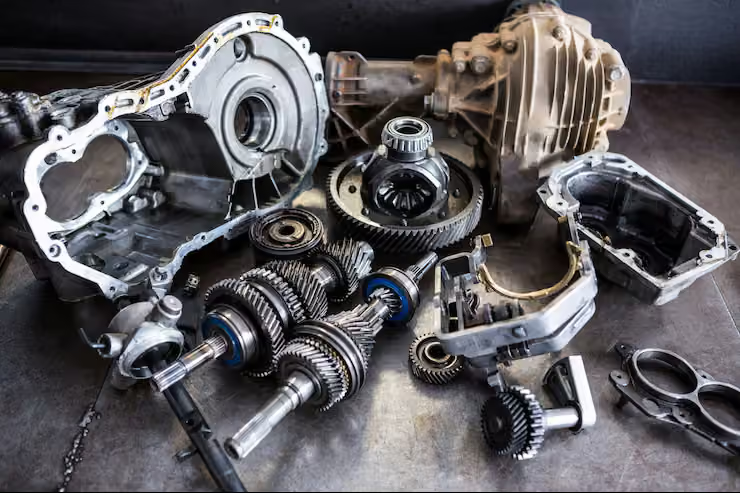
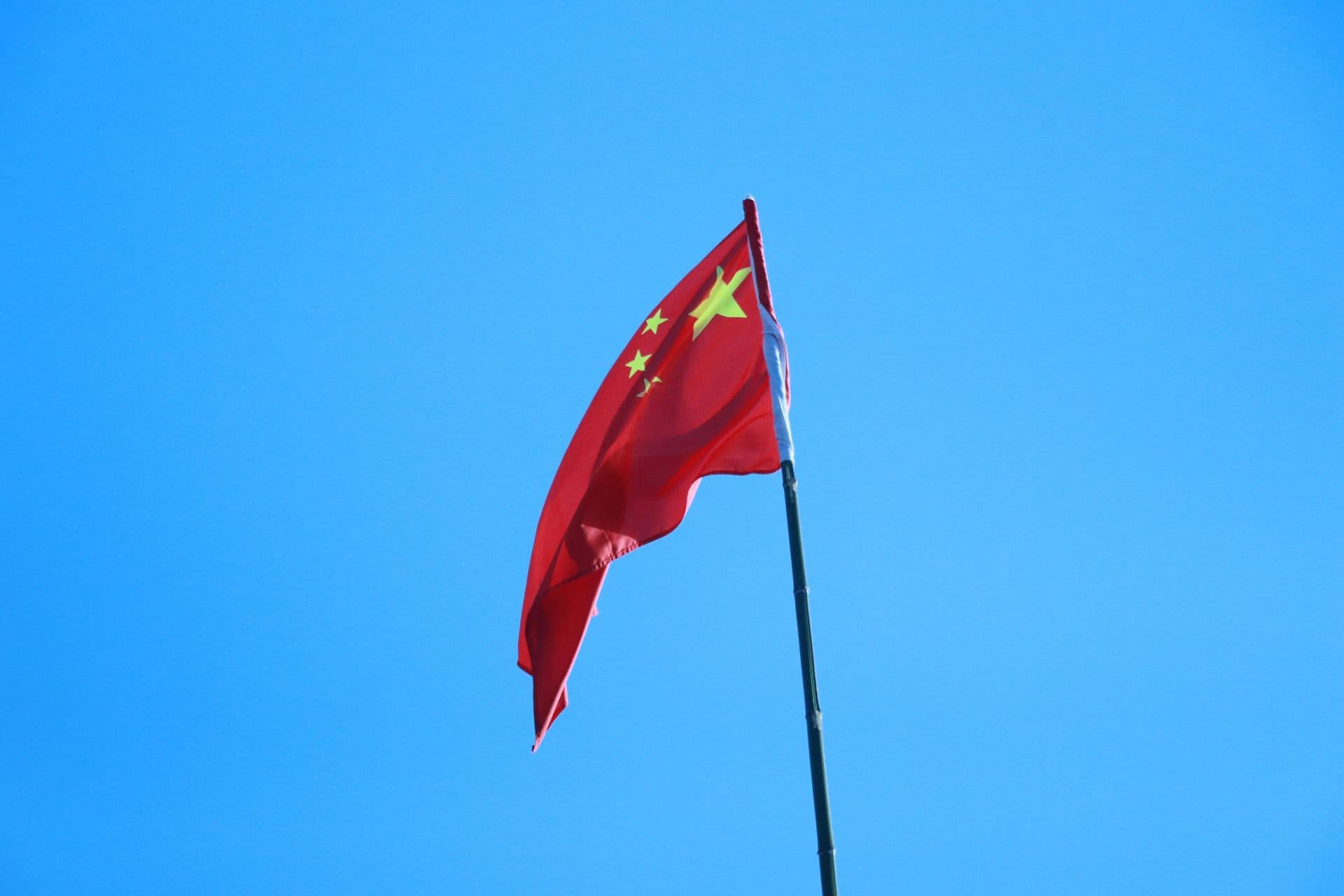
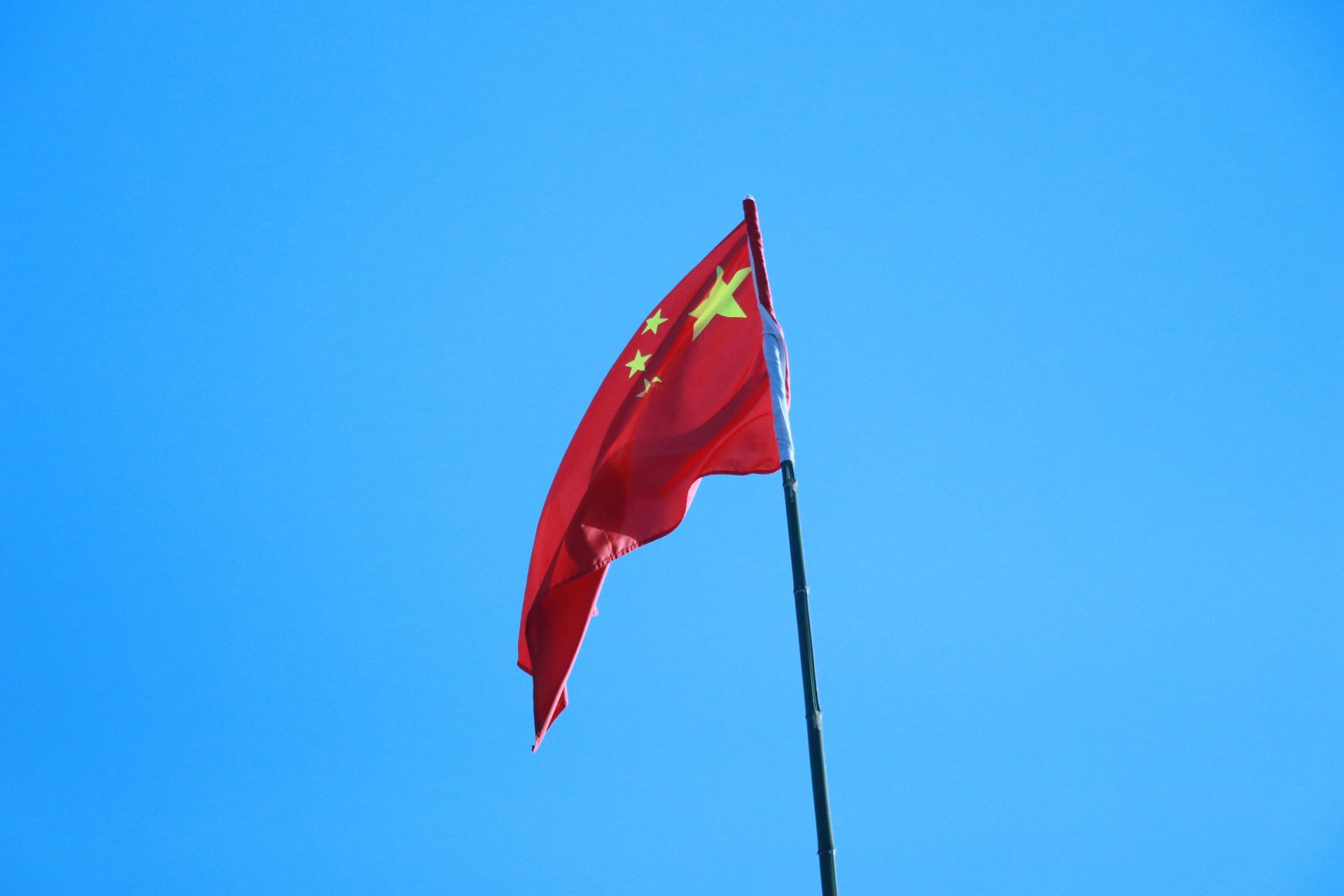
China in particular has established itself as the dominant source of automotiveaftermarket parts in South Africa. Since 2018, China has led as the top supplier, andin 2021, a striking 64% of all imported aftermarket parts into South Africa wereChinese-made. “That is not simply influence; it’s market dominance,” Petzer notes.India has also made significant inroads, especially in the small and entry-levelvehicle segments where cost-effectiveness is paramount. “Indian manufacturershave emerged as key suppliers of affordable vehicles, addressing the pressing need for budget-friendly transport options,” adds Petzer.
The Japanese and South Korean brands, long-standing players on the continent, arealso being challenged to rethink their strategies in the face of growing competition.“Even the established Asian giants are having to adapt,” says Petzer.
This shift is not limited to imports. Asian manufacturers are increasingly investing in local assembly and parts production. Chinese firm BAIC, for example, has investedR11 billion in a new plant in Gqeberha. Toyota, in collaboration with Thailand’sOgihara, is putting more than R1.1 billion into its operations in Durban, whileChinese supplier Yanfeng Plastic Omnium has invested R1 billion in Tshwane toproduce components for BMW.
“These investments suggest a dual strategy,” says Petzer. “On one hand, it showsbelief in the potential of Africa’s automotive market; on the other, it allows thesecompanies to meet local content requirements and reduce import duties. It is bothstrategic and tactical.”
While this foreign investment brings benefits such as job creation and infrastructure development, it also tightens Asian manufacturers’ grip on the market. Thechallenge, according to Petzer, is finding a balance between welcoming foreigninvestment and ensuring local businesses are not marginalised.Established original equipment manufacturers (OEMs) such as Ford, BMW,Volkswagen, and Toyota are responding by seeking efficiencies through partnerships and increasingly sourcing parts from Asian suppliers to remain competitive. “These companies face difficult decisions - should they prioritise cost-saving measures or continue supporting local suppliers to meet government industrial targets?” says Petzer.
Local parts manufacturers, meanwhile, are under increasing pressure. They arebeing squeezed by the influx of cheaper imports and the widening technology gap,especially as the global shift towards electric vehicles (EVs) accelerates.
“How does a small, independent parts manufacturer in a town like Springs competewith high-volume, high-tech factories in Asia?” asks Petzer. “This is a tough reality,and there is no simple answer.”
Despite the challenges, Petzer believes opportunities exist. “Specialisation, qualitymanufacturing, and early entry into the EV component market can provide localmanufacturers with a competitive edge.”
Government support is vital in this environment. Initiatives such as the AutomotiveInvestment Scheme (AIS) and the National Association of Automotive Componentand Allied Manufacturers (NAACAM) programmes play an essential role in supporting local industry. “These interventions are not just helpful; they are critical for survival,” Petzer stresses. “They protect not only businesses but also local jobs and the development of crucial skills.”
Projections suggest that within the next decade, Asian brands could account for40–45% of vehicle sales in South Africa. Their blend of affordability and improvingquality makes them highly competitive.
Petzer notes that local and international OEMs will need to deepen ties with Asiansuppliers and explore joint ventures and technological partnerships to maintain their market position. “The supply chain is becoming more globally integrated, and those who fail to adapt risk becoming obsolete,” he warns.For local manufacturers, the way forward is innovation, partnership, and a clearstrategy to participate in the growing EV space. “The EV transition is more than atrend - it may well define the next chapter for our local manufacturing base,” saysPetzer.
Policy will play a critical role in determining outcomes. The African Continental FreeTrade Area (AfCFTA) has the potential to boost intra-African trade, giving localmanufacturers room to scale up. Meanwhile, South Africa’s involvement in BRICSstrengthens economic ties with both China and India, influencing automotive tradedynamics.
“The real balancing act lies with policymakers. They must find ways to attract foreign investment while nurturing local industry. If done correctly, we can achieve inclusive, sustainable growth. If not, we risk eroding our industrial base.
“Africa’s automotive future is being reshaped at speed, and stakeholders at everylevel must prepare accordingly. The shift is not temporary, it is structural, and it ishere to stay,” concluded Petzer.