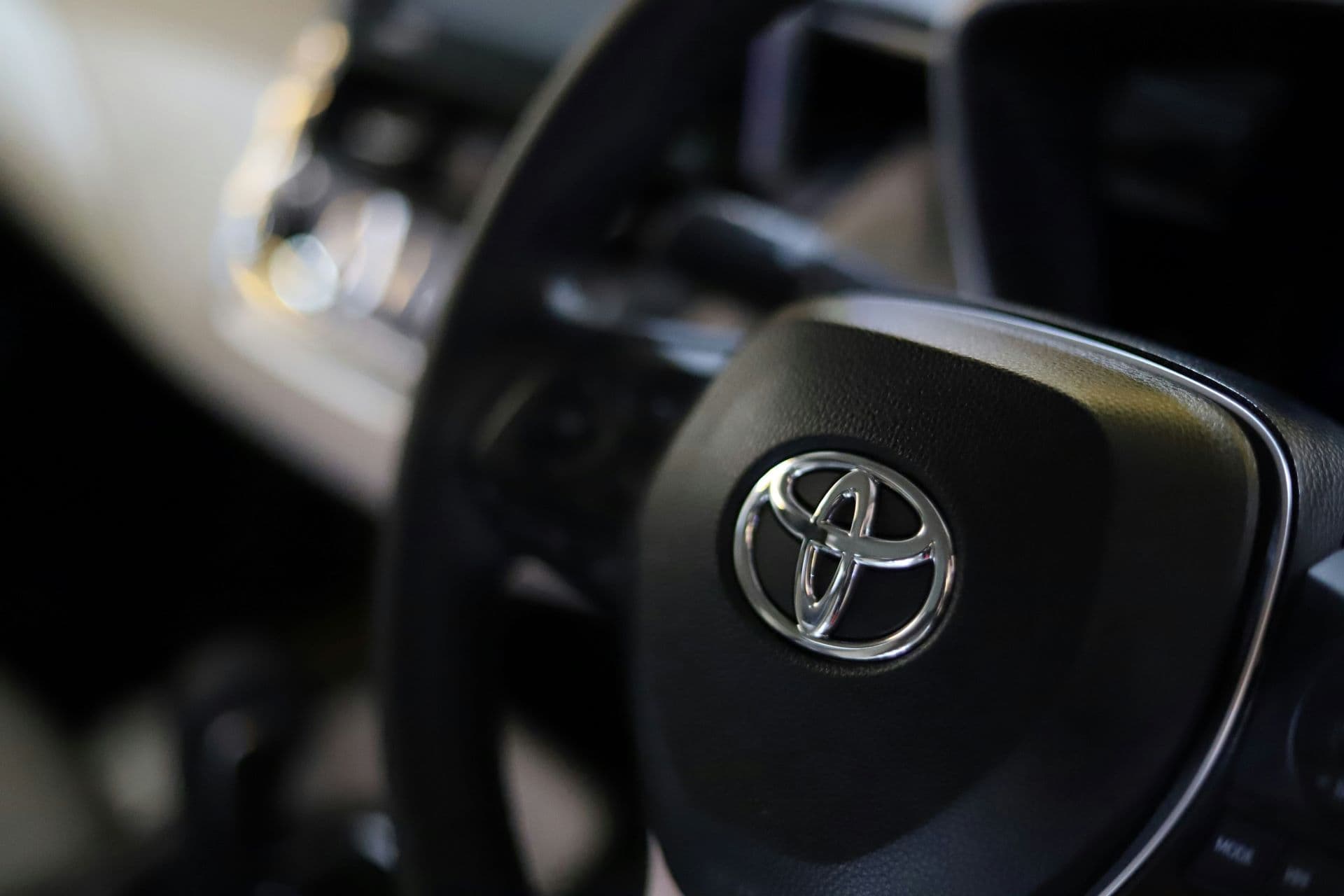
Toyota has achieved a significant milestone with the completion of its 100th project through the Collaborative Safety Research Centre (CSRC), marking over a decade of partnership with the Massachusetts Institute of Technology (MIT).
The CSRC's sustained support for MIT's Centre for Transportation and Logistics Advanced Vehicle Technology (AVT) Consortium has been instrumental in reaching this landmark achievement. Bryan Reimer, founder and co-director of AVT, explained that the consortium was established more than ten years ago to facilitate shared investment between academia and industry in real-world data collection and analysis.
"AVT was conceptualised over a decade ago as an academic-industry partnership to promote shared investment in naturalistic data collection, analysis, and collaboration—efforts aimed at advancing safer, more convenient, and more comfortable automobility," Reimer noted.
The consortium has successfully brought together more than 25 organisations, including vehicle manufacturers, suppliers, insurers, and consumer research groups, all focused on understanding how automotive technologies function and influence driver behaviour. According to Reimer, this collaborative work has enabled stakeholders such as Toyota to make more informed decisions regarding product development and deployment.
Jason Hallman, senior manager of Toyota CSRC, emphasised the company's commitment: "Toyota, through its Collaborative Safety Research Centre, is proud to be a founding member of the AVT Consortium. Since 2011, CSRC has collaborated with researchers such as AVT and MIT AgeLab on projects that help inform future products and policy, and to promote a future safe mobility society for all."
The AVT has been instrumental in studying real-world applications of several vehicle technologies now available to consumers. Technologies including lane-centring assistance and adaptive cruise control have been specifically examined, with research focusing on how drivers interact with automation systems.
One notable outcome of the MIT-CSRC collaboration has been research into pedestrian-driver interactions. This work established that drivers and pedestrians use their movements to communicate during routine traffic encounters—a concept that informed the deployment of Toyota's e-Palette at the Tokyo Olympics and has since been incorporated into an ISO standard for automated driving system communication.
The driving datasets generated through this research continue to underpin behavioural safety strategies, from identifying moments of distraction to understanding how drivers multitask whilst behind the wheel. Josh Domeyer, principal scientist at CSRC, explained: "By studying the natural behaviours of drivers and their contexts in the AVT datasets, we hope to identify new ways to encourage safe habits that align with customer preferences."
Whilst manufacturers continue researching autonomous driving capabilities, a new advocacy organisation is working to establish comprehensive regulations around self-driving technology. Safe Autonomous Vehicles Everywhere in the United States (SAVE-US) has been formed as a safety organisation seeking to create unified regulatory guidelines for autonomous vehicles.
Currently, 14 US states lack autonomous vehicle-related legislation, whilst those with regulations in place vary considerably—from stringent requirements in California to more permissive frameworks in Arizona and Texas. Representatives from the Autonomous Vehicle Industry Association have regularly attended state and federal meetings, voicing support for regulatory frameworks that provide clear guidelines to manufacturers.
#ToyotaResearch