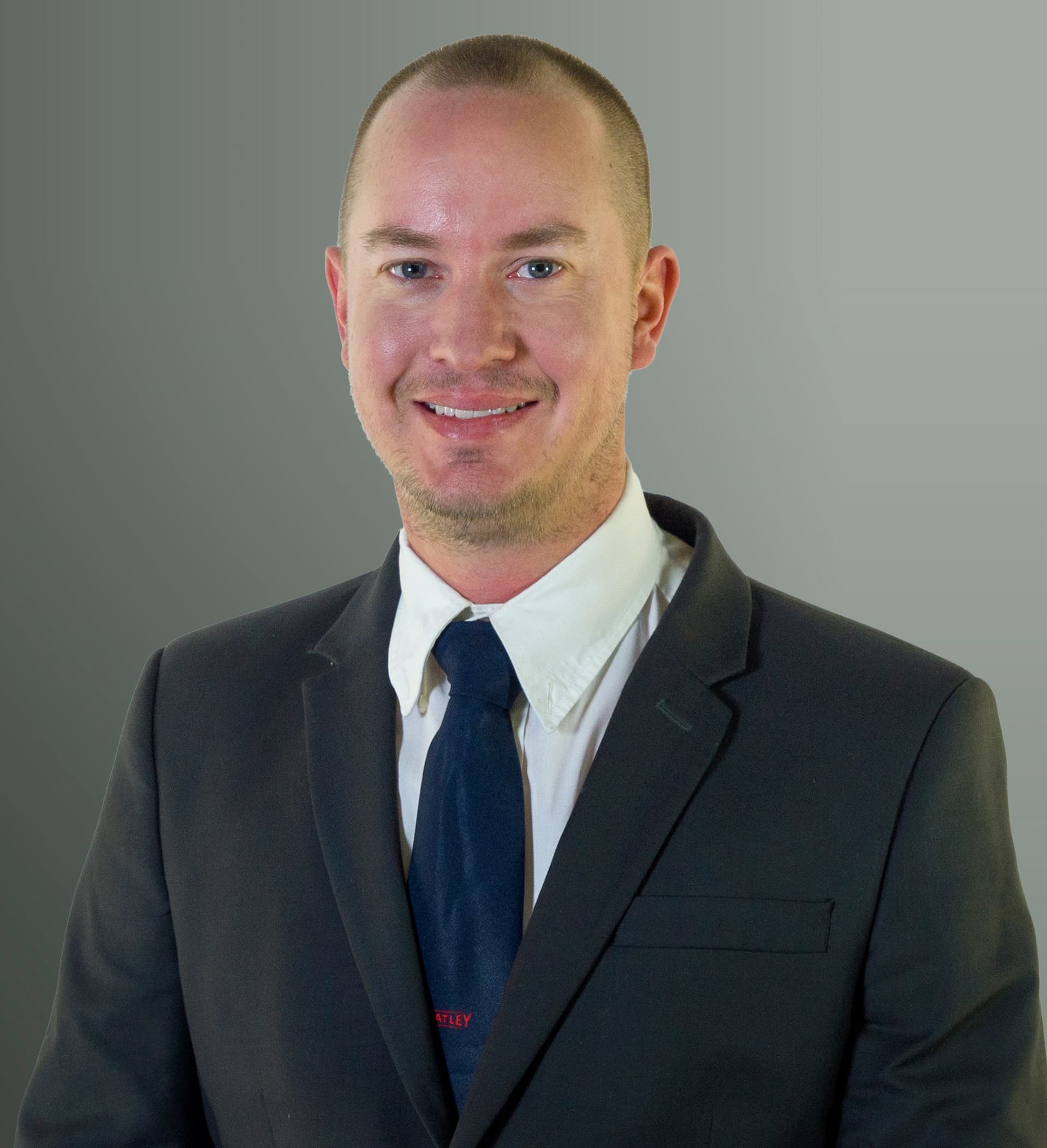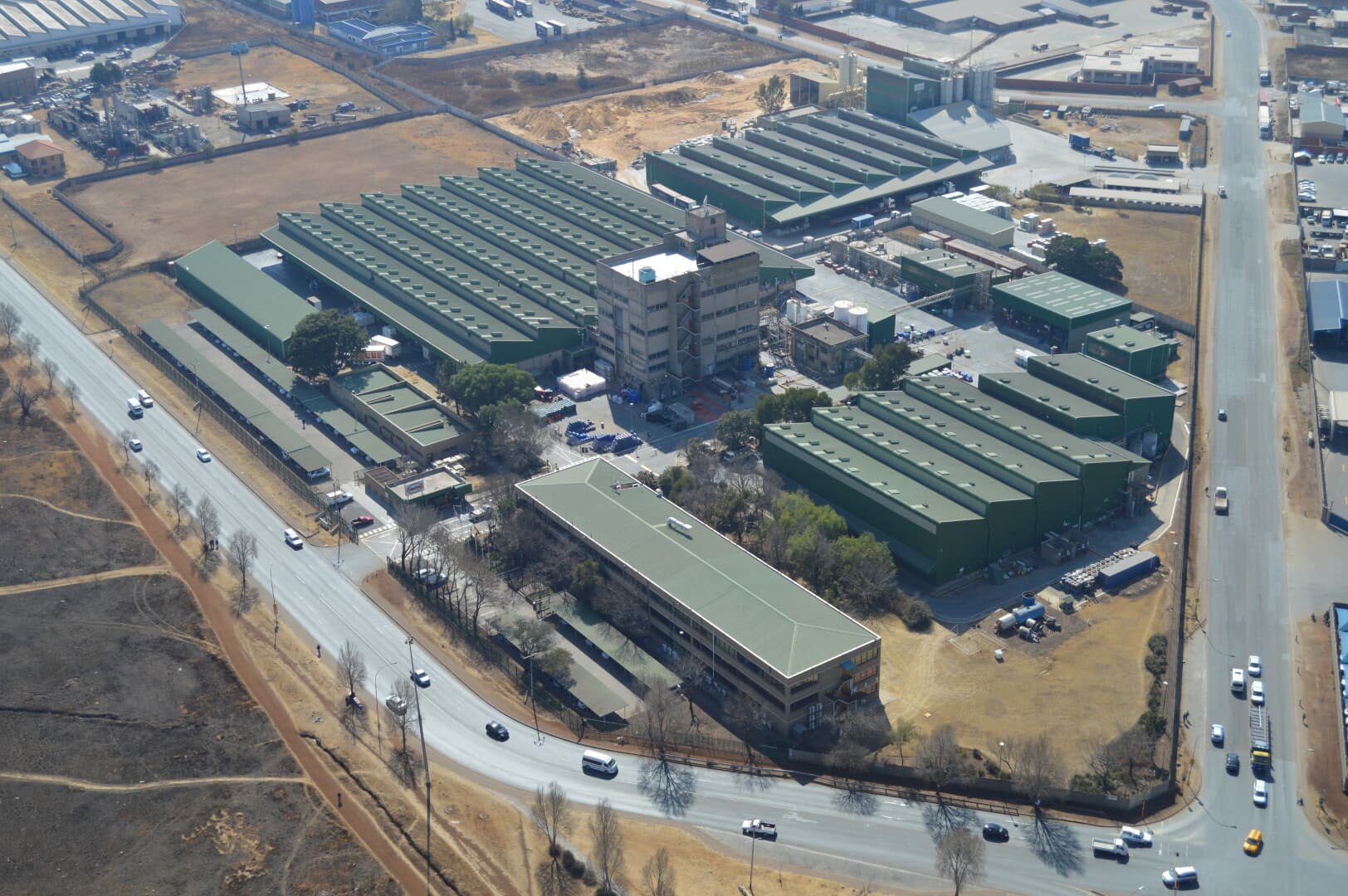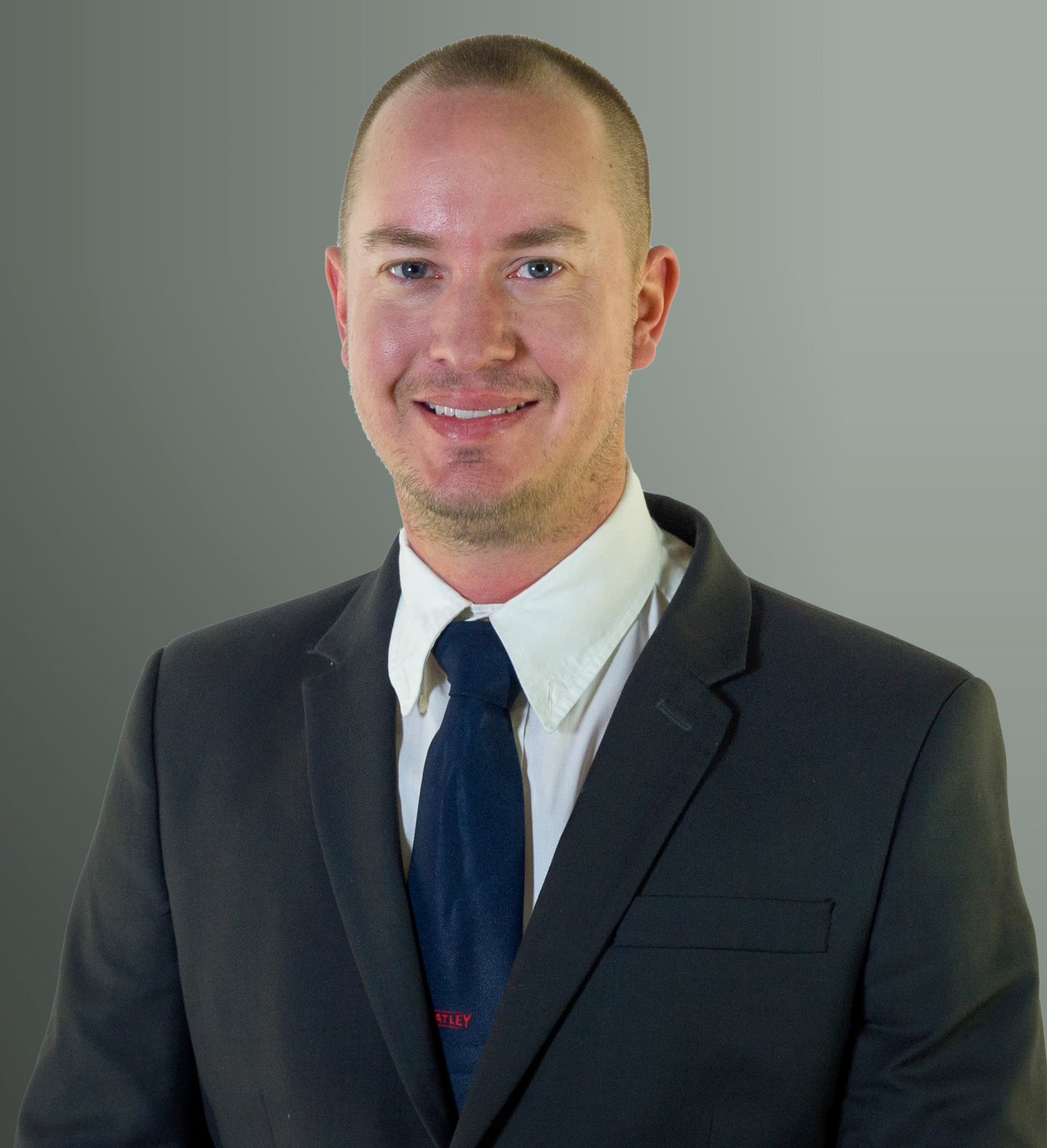
The year 2023 will see Pratley celebrating its 75th birthday. BodyShop News caught up with CEO Andrew Pratley to savour the company’s rich South African history, talk lessons learned, and to take a look at the future and more. BODYSHOP NEWS: Firstly, tell us about your company’s history. ANDREW PRATLEY: I don’t think there are too many family-owned companies that can claim to have been around for 75 years. It is something we are very, very proud of. We are now into the third generation of management with my brother Charles and I running the company. Pratley was started in 1948 by my grandfather, George ‘Monty’ Pratley. Although he was South African, he ended up going to the UK where he studied engineering. He was also fortunate enough to work at the British Thomson-Houston Company on the design of the world’s first jet engine under the guidance of its inventor, Frank Whittle. After the war broke out, he joined the Normandy invasion as an engineer working on tanks in the field. On his return to South Africa, he set up a small engineering shop in Hillbrow, where he did small jobs for the mines. At some stage, he started making cast iron electrical junction boxes for the mines and had to find something to anchor electrical terminals to the inside of the junction boxes. He and a small research and development (R&D) team came up with Pratley Putty, the world’s first epoxy putty. A small sales force also started marketing the product in the field, realising there were multiple applications for it. They would leave a ball of putty on a customer’s desk to harden and, without fail, clients would come back proclaiming it “bloody good stuff”. To this day, the letters BGS appear on all our packaging. Obviously, we now produce a wide range of products across three different company divisions. BSN: What is your current position, both locally and internationally? AP: In South Africa, we are market leaders. People in South Africa see the Pratley brand as a very stable and reliable name. In terms of taking the brand to the rest of the world, every country has its own homegrown brands. If you think of the US market, for example, each state is like a small country on its own with its own producers – penetrating those markets can sometimes be challenging because people are loyal to what they are familiar with. However, the range that we have to offer is unique, with many of our products being unlike anything else found in these markets. Indeed, many of them are also world-first products. Once local customers realise this, they become very loyal. We export to many countries around the globe. BSN: What lessons have you learned over the years that you could share with readers? AP: The times we are going through are not unique. For example, every now and then the world goes through recessions and economic uncertainty – it’s just the way the world is and it is all about how you build resilience to withstand the storms. As I have mentioned, our diversity in terms of our business and product make-up has always stood us in good stead. Another thing that has galvanised us is that we have always had a policy of having zero debt. If we cannot afford to do something, we generally will not do it. We are also very fortunate to have good and capable people who work for the company. It has also helped that we have remained completely independent over the years, resisting the temptation to offload shareholding. That has allowed us quite a lot of agility and afforded us the advantage of making quick decisions in times of crises or opportunity, without having to explain ourselves to outside shareholders. Because of this, we can adapt and change direction faster and at shorter notice than a lot of large corporates. BSN: Tell us where Pratley is at as far as the automotive industry is concerned. AP: A large part of our sales goes into the aftermarket and informal automotive repair industry. If you look, for example, at Pratley Steel Quickset, it has gained quite a reputation in South Africa. In some instances, it is used for applications we would not have ordinarily recommended. However, in many of these cases, customers come back to us to report a hugely successful result. It really is great because over the years, we have also learned a lot from our customers and the capabilities of our products. These days, the automotive aftermarket is a huge user of our Pratley products, and we have started tailoring many of our products to cater more for that market, especially when it comes to automotive repairs. BSN: In terms of community work, you guys were involved with Oceans without Borders. How’s that been going? AP: Nature conservation is close to our hearts, and our products have, over the years, also found a niche in nature conservation. One example is that Pratley Putty has been used to fill holes drilled in Rhino horns in the ongoing efforts to prevent Rhino poaching. They have also used Pratley Putty to stick radio transmitters onto the back of pangolins and to repair cracked tortoise shells. In one of the latest ones, Oceans without Borders has been taking off-cuts of the mother reef in Zanzibar and growing baby coral fragments in a protected nursery, and they use Pratley Putty in this process. It does demonstrate the product’s wide variety of uses. Interestingly enough, Pratley Putty has been used in the salt-water aquarium market for many years to adhere coral to reef rock. BSN: What is the company’s vision for 2023 and onwards? AP: At our core, we are very much an R&D company. People see us as an adhesives company because that’s what they see on the shelf, but we also have other divisions. We have an electrical terminations arm and then we also have a minerals division. We are a very diverse company in terms of our product offering, and I think it has stood us in good stead over the years. We have put a lot of effort and resources into R&D, and we will continue doing this. We like to bring out new and innovative products regularly, and in the next two to three years, we would also like to increase our footprint in Africa. Africa has huge potential, and we will be focusing our export efforts into growing these markets.