Vishal Premlall, National Director of the Tyre, Equipment, Parts Association (TEPA), says TEPA is working closely with all tyre trading members to ensure that they are registered for waste tyre collections at the Waste Tyre Bureau.
This will help expedite more waste tyre collections and contribute to effective and responsible recycling practices.
He says one cannot stress enough the importance of recycled waste tyre collection. When it comes to recycling of tyres, the Waste Tyre Bureau of the Department of Forestry, Fisheries and Environment, is the custodian of waste tyre collection in South Africa.
Instead of dumping them onto land refills, they are recycled into many interesting, innovative, and creative ways but if not managed correctly can have a dire impact on the environment.
Recycling is obviously key for the environment and for a more sustainable future. The Minister of the Department of Forestry, Fisheries and Environment, has recently put out a Section 29 plan for comment from the industry. “The plan will help better manage waste tyres in South Africa, facilitate waste tyre processing capacity and help to reduce the negative environmental impacts of waste tyres,” he says.
The environmental and health consequences of not disposing of tyres correctly is significant ranging from fire hazards, to toxins leaking into our ground soil and water from the non- biodegradable composition of tyres, to diseases such as malaria, encephalitis and the Zika virus to name just a few.
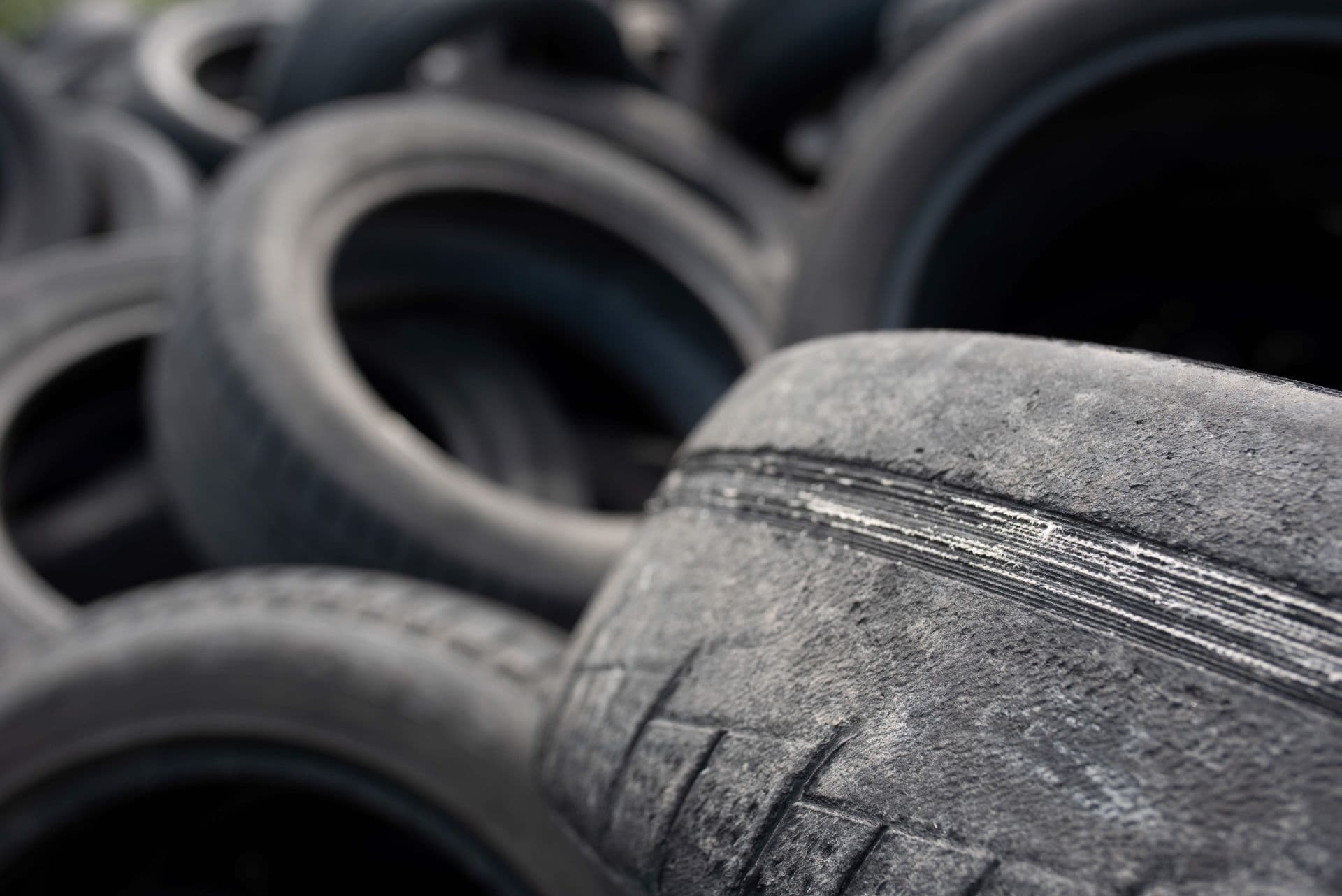
The reality is that despite Government’s best efforts, there are still millions of waste tyres stockpiled and many more lying in back yards and on informal dumping sites. The product will take thousands of years to break down and unfortunately we are already finding unacceptable volumes of plastic in our water that ends up in our food system. Premlall says the consequential cost of this is significant, not to mention the health hazard.
All responsible and ethical tyre traders need to ensure they are correctly registered and their waste is being collected by the department.
Consumers can also play their part in ensuring waste tyres are being disposed of responsibly by handing them over to a registered tyre dealer. Premlall says if consumers are unsure on the health of their tyre or when to dispose of it, they can call into a registered TEPA tyre business and speak to one of the trained specialists. He says equally in the event one notices illegal stockpiles these can be reported via the TEPA whistleblower hotline and TEPA will contact the department to deal with the stockpile.
“On the back of a looming environmental disaster, we urge the public not to exasperate the situation by contributing to the stockpile of unwanted tyres. If you have made the decision to replace your tyres, don’t further compound the problem of waste tyres, rather leave the waste tyres at your TEPA dealer so that these tyres can be disposed of correctly as the law prescribes.”
Addressing the environmental impacts of waste tyres requires concerted efforts from governments, businesses, communities, and individuals. By adopting sustainable practices, promoting environmental awareness, and actively contributing to environmental greening initiatives, one can mitigate the adverse effects of waste tyres and work towards a cleaner, healthier, and more sustainable future for all. “We all have a responsibility to protect the environment, let’s play our role!” concludes Premlall.