The rapid adoption of New Energy Vehicles (NEVs) in South Africa is reshaping not only how people drive but also how the automotive repair industry operates. As more affordable electric and hybrid options enter the market, dealerships and workshops are adapting to meet the technical demands of these new technologies.
The National Automobile Dealers’ Association (NADA) highlights that beyond their zero-emissions promise, NEVs’ appeal lies in their low running costs and reduced maintenance requirements. However, this shift in vehicle technology introduces new complexities for technicians and repair professionals across the country.
Lower Maintenance – New Priorities for Workshops
Electric vehicles (EVs) contain fewer moving parts than petrol or diesel cars, meaning traditional maintenance tasks such as oil changes, spark plug replacements and exhaust repairs are largely eliminated. This translates into fewer service visits and lower costs for owners. Yet, it also changes the focus for workshops, which must shift from mechanical repairs to system diagnostics and electrical expertise.
High-Value Components Demand Expert Attention
Among the critical components requiring regular care is the battery pack, representing up to 40% of a vehicle’s total cost. Qualified technicians must inspect it regularly to maintain performance and prevent costly damage. The thermal management system, which includes the air conditioning network, also plays a dual role in regulating the battery’s temperature, requiring precise understanding from trained service personnel.
Similarly, regenerative braking systems reduce wear on brake pads but add complexity, blending mechanical and electrical systems that need careful calibration and routine checks.
Software and Systems at the Forefront
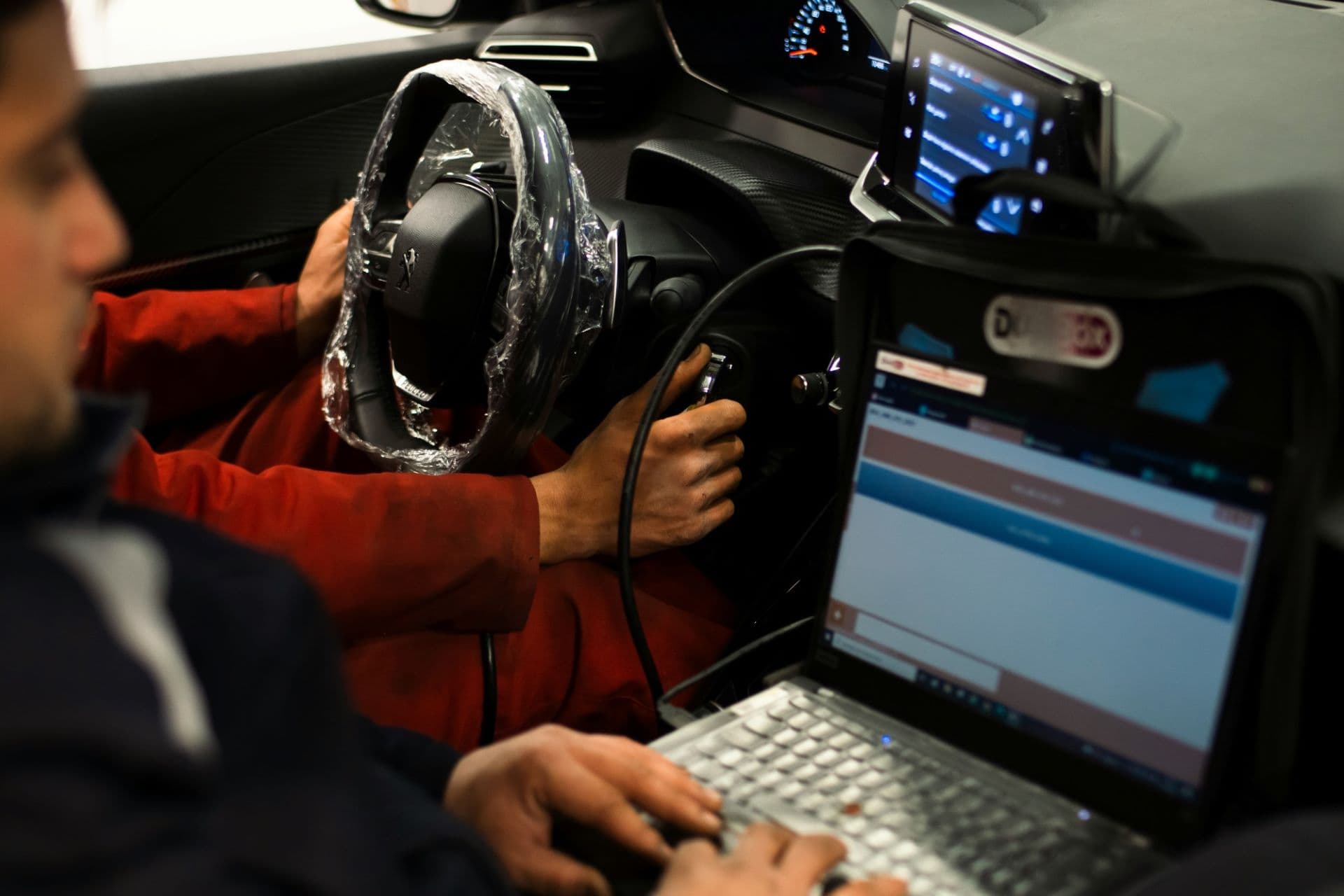
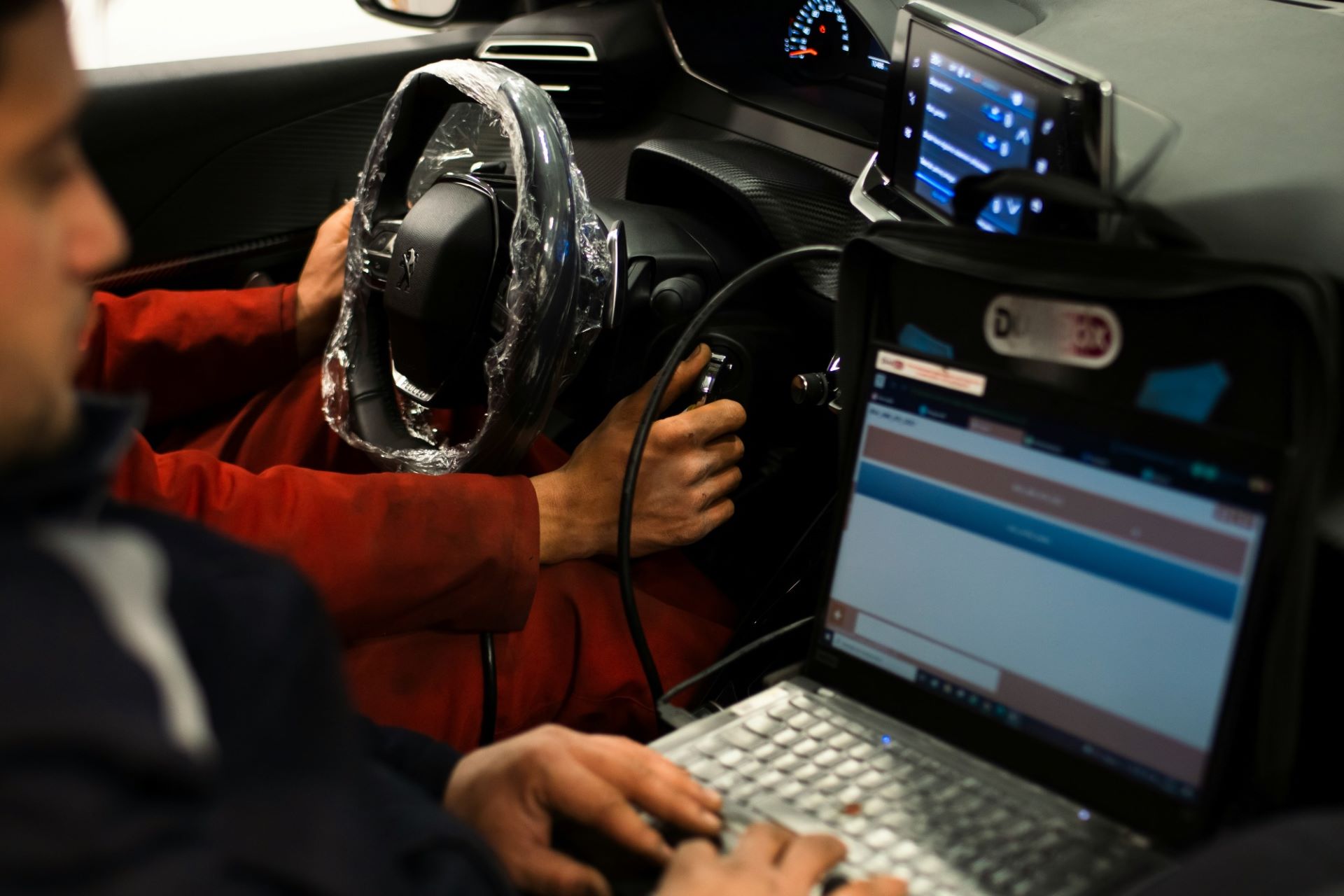
Modern EVs rely heavily on software updates to enhance safety and performance. Workshops and dealerships must now be equipped to handle service bulletins, firmware upgrades and diagnostic recalibrations. Technicians are increasingly required to understand data analysis and programming tools alongside traditional mechanical skills.
Training, Equipment and Infrastructure
NADA Director Ashley Samuel emphasises that adhering to service intervals remains vital for warranty protection and safety. “It is absolutely essential to adhere to manufacturer-prescribed service intervals for all cars, including electric vehicles,” he says. “Missing service intervals can impact your warranty and jeopardise vehicle safety, reliability and resale value.”
To support this, franchised dealerships are investing in specialist equipment such as insulated tools, high-voltage work bays and advanced diagnostic platforms. Many have launched training initiatives to ensure technicians are certified to handle high-voltage systems safely and efficiently.
Ashley adds, “As the automotive landscape evolves, so too must our dealerships and technicians. NADA’s members are investing heavily in the training, equipment and infrastructure needed to safely and effectively support the growing NEV market.”
For the repair industry, this evolution represents both a challenge and an opportunity – to stay relevant, workshops must embrace electrification and the specialised expertise it demands.