Workers in skilled trades, including repair-focused occupations, remain among those least exposed to artificial intelligence, according to new research from Anthropic.
For collision repairers, the message is reassuring but not an excuse to switch off. AI is reshaping office and screen-based work fastest, while hands-on technical roles still depend on human judgement, dexterity and responsibility for physical safety.
Anthropic, the company behind the Claude AI models, analysed real-world use of its systems alongside a task-based view of what today’s large language models can plausibly do. In its labour market report, it introduces a measure it calls observed exposure, combining theoretical capability with how often people actually use AI for work, with additional weight given to automated uses rather than simple assistance. In other words, the research aims to separate what AI could do on paper from what it is doing in workplaces right now.
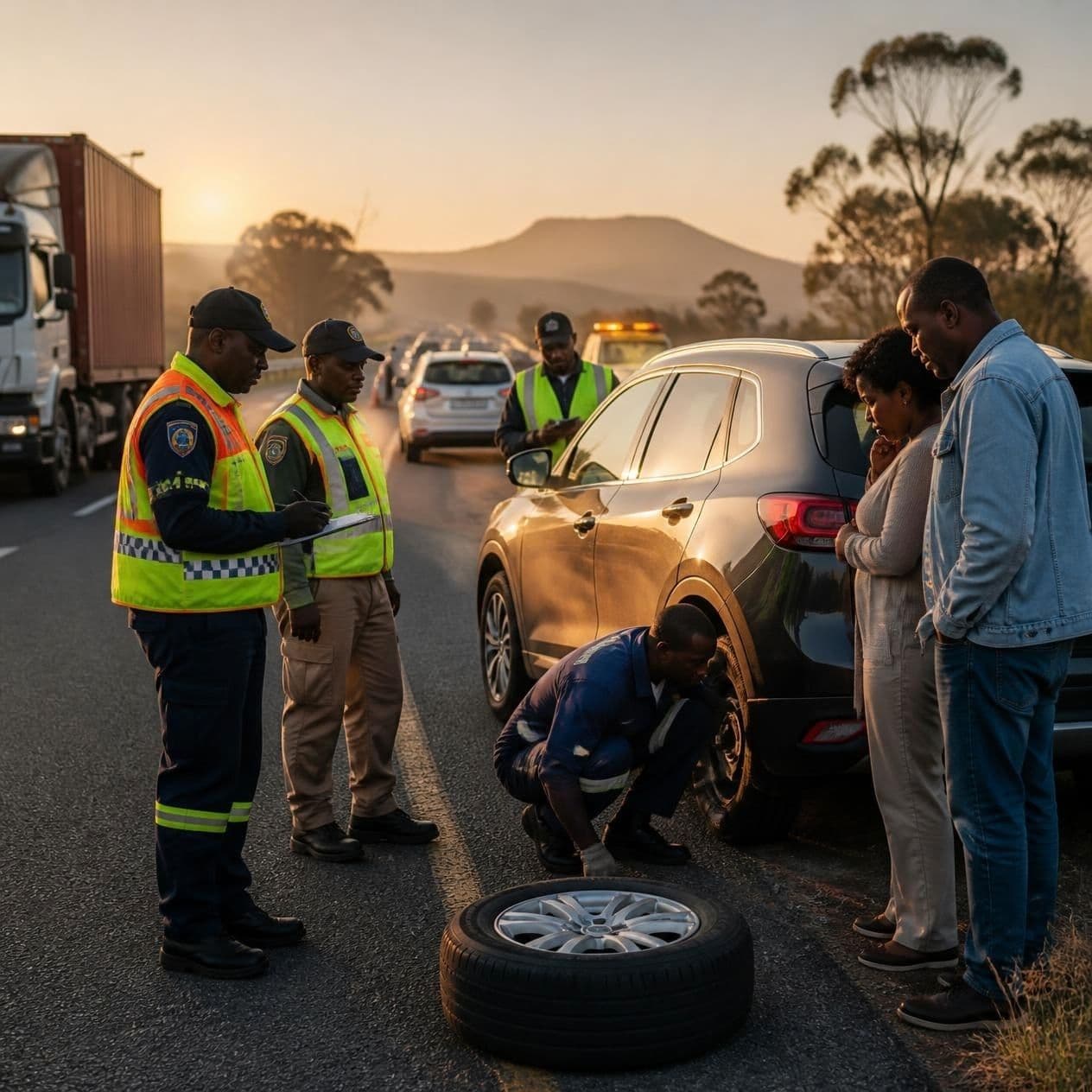
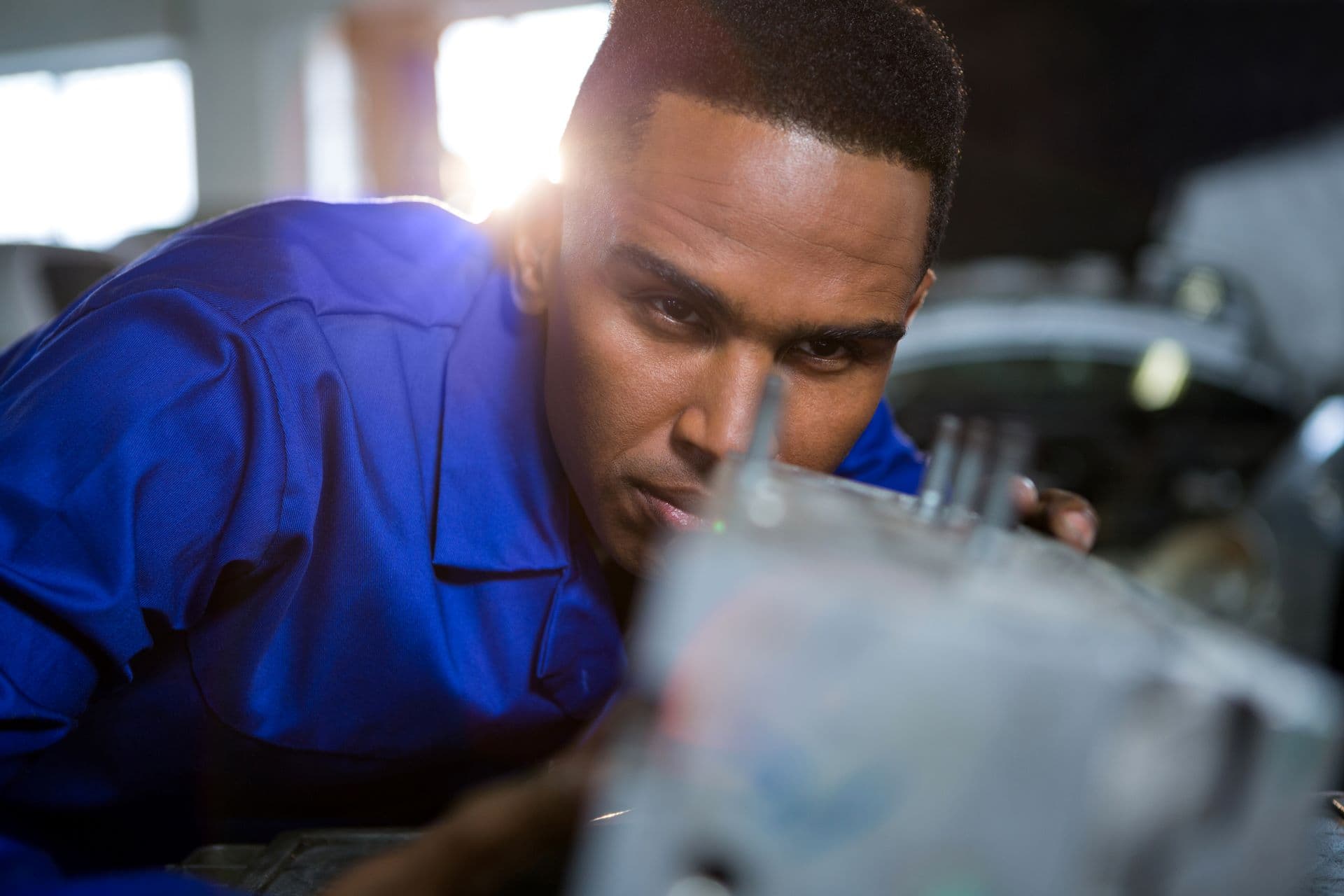
On that basis, installation and repair roles sit near the bottom of the exposure rankings, alongside other physically grounded jobs such as construction and building and grounds maintenance. While knowledge work is already seeing heavy AI use for writing, coding and analysis, the day-to-day tasks of diagnosis, strip and fit, structural measurement, welding, refinishing and quality control are difficult to digitise. They rely on complex environments, specialist tooling, material behaviour and tacit know-how that is learned on the job.
That does not mean AI will bypass the bodyshop. The fastest gains are likely to come in the surrounding workflows. Think estimating support, parts identification, repair method look-up, supplement narratives, customer updates, and training materials. On the technical side, AI-assisted scan tools, calibration guidance and image-based damage triage may continue to improve, but they typically augment technicians rather than replace them. The risk, and the opportunity, is that admin-heavy work becomes quicker and more standardised, raising expectations for cycle time and documentation quality.
For repair businesses, the sensible response is to invest in the fundamentals that AI cannot provide: skills development, process discipline, and a culture of safe, correct repairs. At the same time, it is worth tracking which digital tasks you can streamline, because insurers and customers will notice faster turnaround in other sectors and expect similar service. Anthropic’s research suggests the spanners are safe for now, but the paperwork and the systems around them are changing quickly.