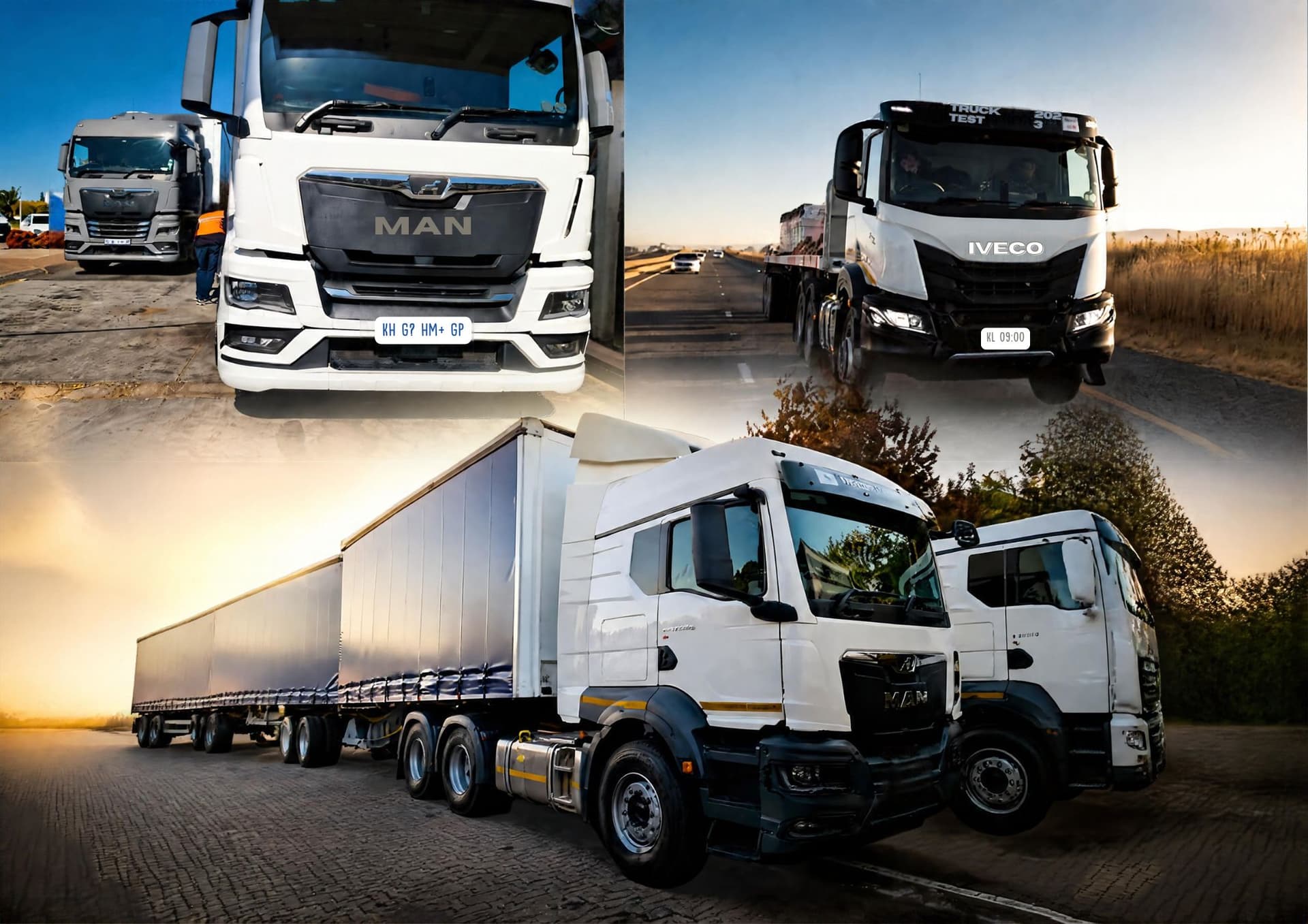
A rapidly evolving automotive sector is reshaping the way businesses operate across South Africa. This is the view of Kgalaletso Tlhoaele, Enterprise Development Executive at Absa Business Banking, who spoke at a recent industry gathering about the importance of understanding market shifts and supporting smaller firms as they rise in prominence.
Kgalaletso described the automotive sector as both dynamic and resilient. It is influenced by changing consumer expectations and broader economic conditions, yet it remains a strong contributor to employment and trade. He noted that the industry spans a full value chain that links manufacturing, importing, trading, after market activities and service operations. Each segment has experienced structural shifts over recent years.
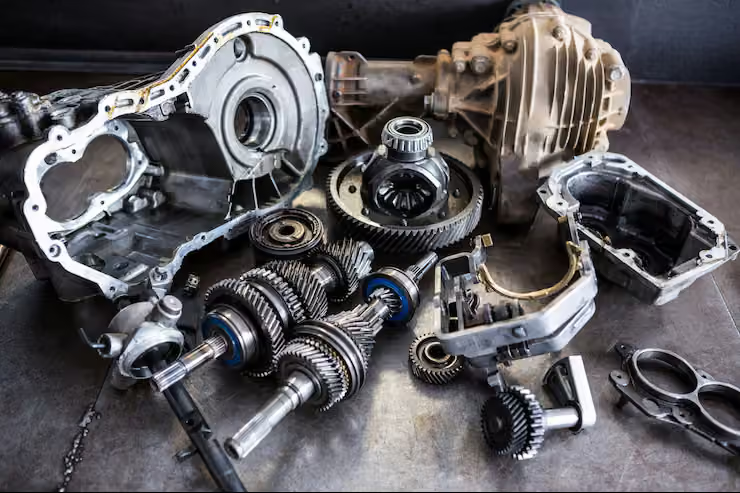
A key observation from his presentation is the declining share of income generated by very large enterprises, those with annual turnovers above R1 billion. In contrast, medium and small enterprises are steadily increasing their footprint. Kgalaletso pointed out that this trend either reflects deliberate downsizing by large firms or a natural opening of the industry to smaller players. Tyres represent the largest segment, followed by parts, lubricants, batteries, brake components and paint.
Consumer choices and economic realities are central to understanding industry change. Buyers prioritise styling, safety, comfort, efficiency, environmental friendliness, value for money and the accessibility of parts and service. Economic pressures such as inflation, taxation, interest rates and disposable income influence both sales and operations across the sector. Political and social conditions and even epidemic related disruptions also play a role.

The industry’s scope is wide, including manufacturers, franchise dealer groups, independent dealers, auction houses, distributors, parts suppliers and repair operators. Despite this diversity, the sector remains an important employer, accounting for 3.4 percent of formal employment, or about 250 000 jobs. Although profit margins can be low, the sector benefits from defensive contributors such as used vehicles and parts which remain stable in tougher times.
Absa has placed strong emphasis on supporting SMEs through enterprise development. Its partnership with the Automotive Industry Development Centre includes a Memorandum of Agreement aimed at enhancing local manufacturing and services. “Our goal is to help SMEs grow into profitable and sustainable businesses by providing access to finance, markets and business development support that aligns with their unique needs.”
Through this collaboration, SMEs receive training, coaching and mentorship to help them become supplier ready. Absa’s wider support includes development finance, technology platforms, incubation programmes and specialised financial solutions. Alternative Lending Solutions provides funding to profitable businesses without sufficient collateral, targeting at least 50 percent black owned firms and offering a 50 percent rebate for Automotive Aftermarket clients. Partnerships with Development Finance Institutions and the Automotive Industry Transformation Fund expand the funding base even further.
“We are building an enabling environment for SMEs to succeed through market access, mentorship, and sustainable funding solutions that help unlock South Africa’s economic potential,” Kgalaletso concluded.