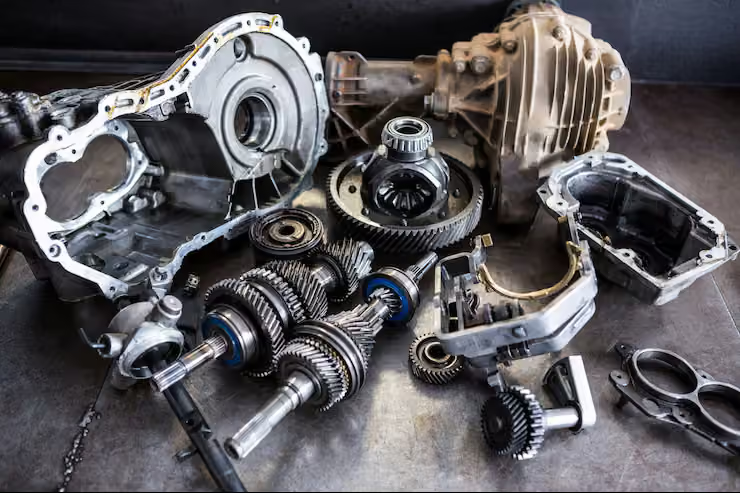
Collision repair shops occupy a unique and demanding position within the automotive industry. Every day, repairers are entrusted with customers’ vehicles that may be worth tens — or even hundreds — of thousands of rands.
These vehicles are often immobilised, dismantled or awaiting parts, making them particularly vulnerable while in storage. Alongside this responsibility, collision repairers also house highly specialised and expensive equipment, from diagnostic systems and welding tools to paint booths and calibration machinery.
The financial and reputational consequences of theft, vandalism or damage can be severe. A single incident may result not only in direct losses, but also in disrupted operations, higher insurance premiums and erosion of customer confidence. In an environment where vehicle crime and tool theft remain persistent risks, taking a proactive approach to security is no longer optional — it is essential. By adopting well-planned security measures, repairers can better protect their assets, their customers and their livelihoods.
Adopt a Layered Security Strategy
A layered approach combines physical barriers, electronic monitoring and visible deterrents. Secure fencing, controlled gates, reinforced doors and high-quality locks create a strong first line of defence, while alarms, lighting and surveillance systems provide additional layers of protection.
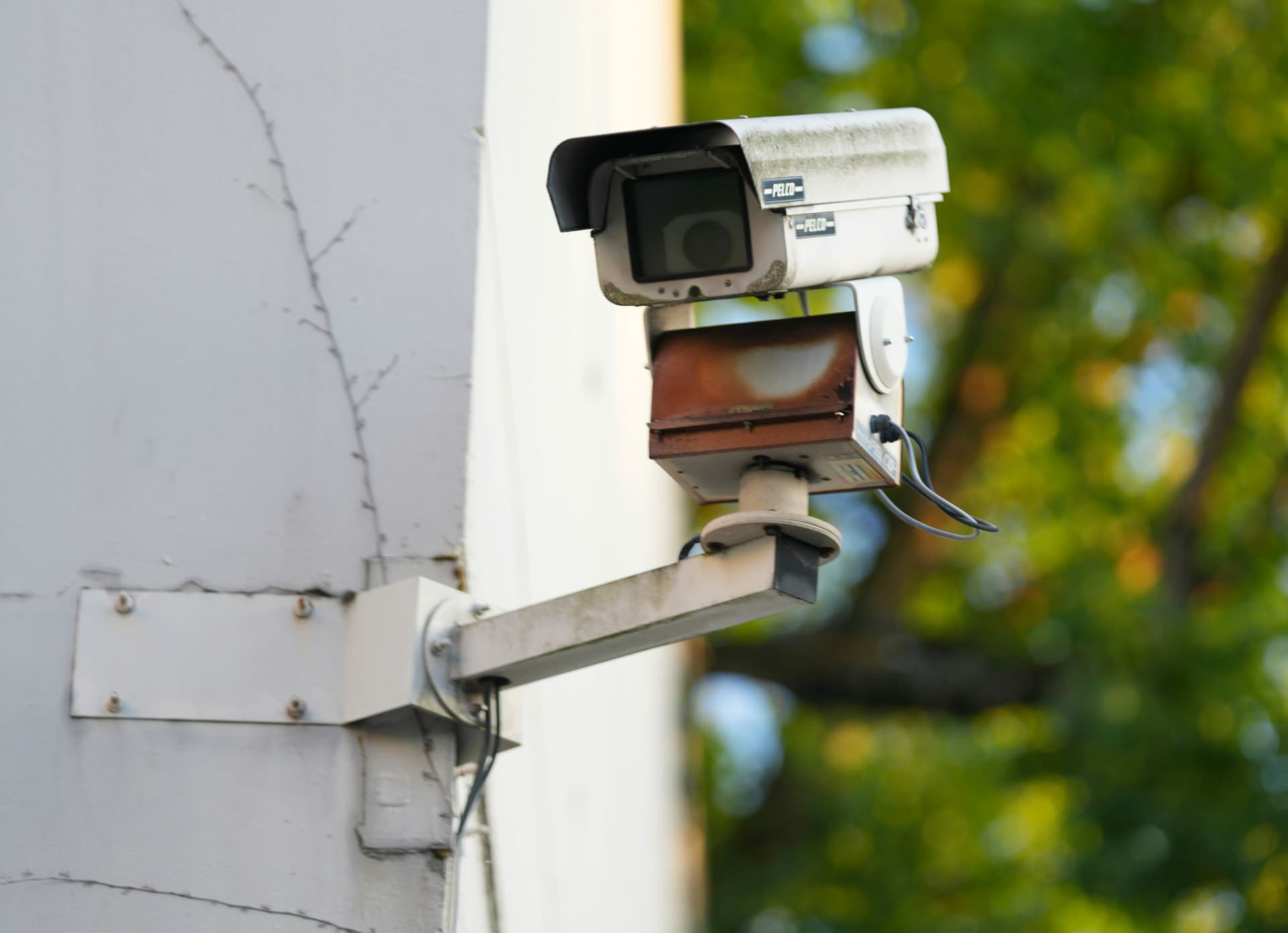
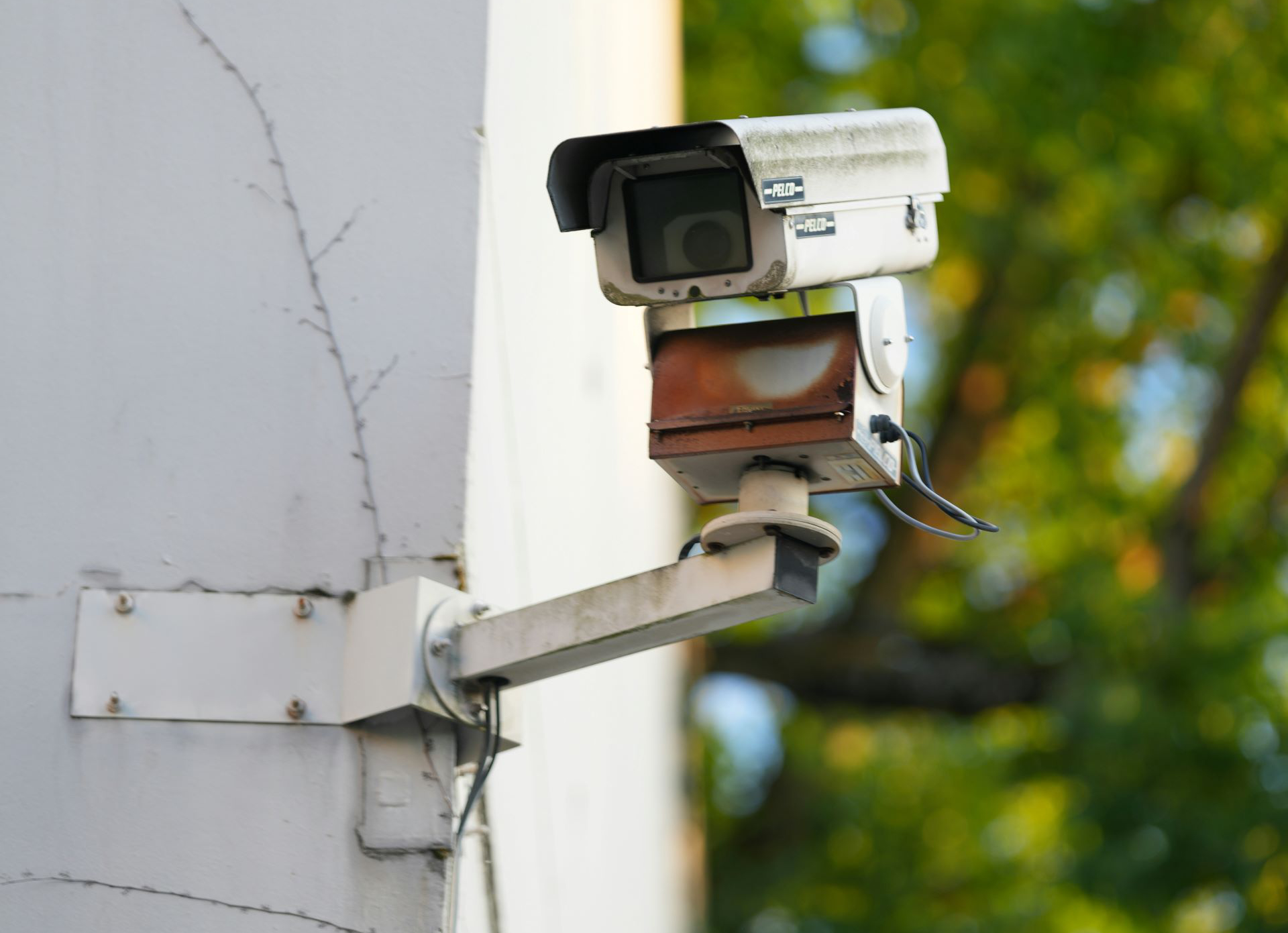
Invest in Quality Surveillance
High-definition CCTV should cover vehicle storage areas, workshops, entrances and exits. Cameras with night-vision capability and remote access allow owners to monitor their premises at all times and provide valuable evidence should an incident occur.
Control Access to the Premises
Restrict access using keypads, fobs or card-controlled entry systems. Limit after-hours access and keep accurate records of who enters sensitive areas, reducing the risk of internal or external theft.
Improve Lighting
Well-lit premises deter criminals and improve camera visibility. Motion-activated lighting around storage areas, yards and entrances removes hiding places and draws attention to suspicious movement.
Secure Tools and Equipment
High-value tools should be locked in cabinets or cages when not in use. Maintain a detailed inventory with serial numbers and photographs to assist with recovery and insurance claims if theft occurs.
Install Monitored Alarm Systems
A professionally monitored alarm system ensures rapid response in the event of a break-in. Systems integrated with CCTV and lighting offer a more comprehensive and effective deterrent.
Train Staff and Set Clear Procedures
Employees should be trained in security procedures, including locking up, activating alarms and reporting suspicious behaviour. Clear opening and closing routines help prevent costly oversights.
Review Insurance Regularly
Ensure your insurance adequately covers customer vehicles, tools and equipment at their current values. Understanding policy limits and exclusions is vital for effective risk management.
By combining strong physical security, modern technology and informed staff practices, collision repairers can significantly reduce risk, safeguard valuable assets and maintain the trust of their customers.