As South Africa’s automotive market undergoes rapid transformation, numerous vehicle models are being phased out or replaced.
This shift brings a growing concern for motorists: the availability of spare parts for older or discontinued vehicles. The South African Motor Body Repairers’ Association (SAMBRA), an affiliate of the Retail Motor Industry Organisation (RMI), is urging drivers to remain vigilant, particularly as the holiday season approaches.
“Discontinuing a vehicle model doesn’t simply mean it disappears from showroom floors. Over time, sourcing parts becomes increasingly difficult,” explains Juan Hanekom, SAMBRA’s National Director. “We’re seeing more cases where repairers face lengthy delays in obtaining essential components for discontinued models, leaving vehicles immobile or repairs stretching into months.”
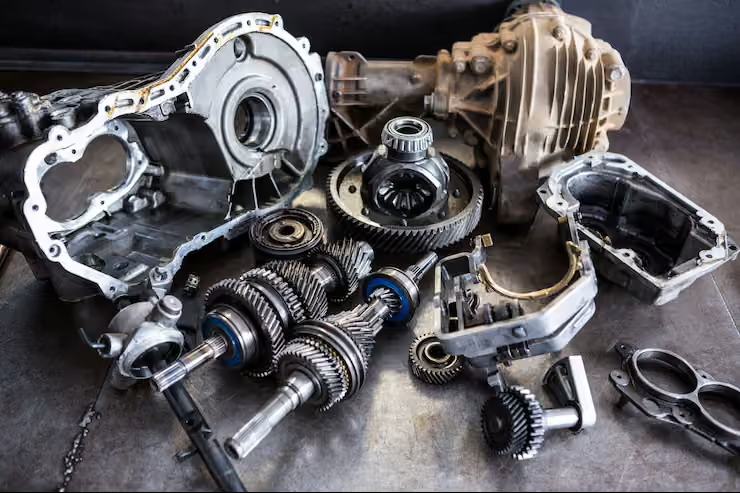
SAMBRA stresses that this challenge spans multiple brands. With shorter production cycles and tighter global supply chains, Original Equipment Manufacturers (OEMs) often run low on parts ranging from body panels and sensors to trim and electronics. In such cases, workshops—subject to insurer approval—may resort to certified alternative parts (CAP) or high-quality second-hand components to complete repairs.
Hanekom emphasises that while these alternatives can be practical, transparency is key:
“Motorists should know what’s being fitted and why. If genuine parts aren’t available, reputable repairers will only use approved equivalents or certified parts that meet strict safety and quality standards. It’s not about cutting corners; it’s about ensuring vehicles return to the road safely when OEM supply falls short.”
SAMBRA’s Advice for Motorists:
Stay informed – Check whether your vehicle model has been discontinued and ask your dealer or insurer about long-term parts availability.
Discuss options early – When lodging a claim, speak to your insurer and repairer about alternative parts and expected lead times.
Choose accredited workshops – Always opt for RMI- or SAMBRA-accredited repairers to guarantee proper vetting and safe installation of any alternative or second-hand parts.
Be proactive and patient – Some delays are unavoidable, but early communication can help minimise frustration.
Hanekom concludes that addressing this growing issue requires collaboration between OEMs, insurers, and repairers:
“Our priority is to ensure motorists receive fair treatment and that vehicles are repaired to the highest safety standards, even under global supply constraints.”