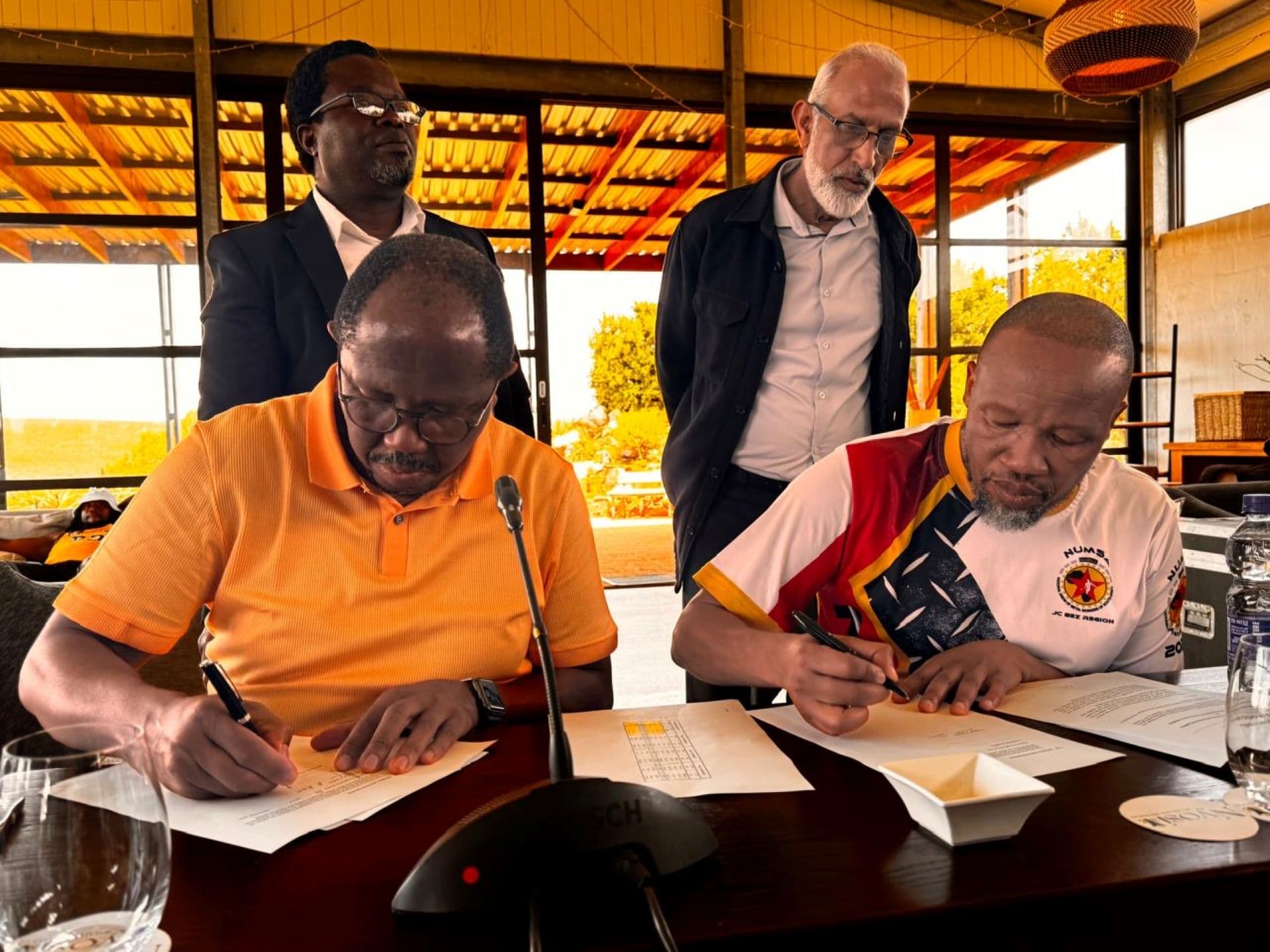
The conclusion of a new wage agreement between AMEO and NUMSA has brought a sigh of relief across the automotive repair and service industry, where workshops and parts suppliers had been bracing for potentially severe disruptions.
With nine rounds of negotiations and a formal deadlock declared, many in the wider value chain were preparing for the possibility of a prolonged stoppage that could have choked the supply of components and slowed down vehicle repairs. Instead, the agreement signed in Gqeberha ensures continuity, predictability and a sense of stability that the sector urgently needs.
The settlement includes a 7 per cent Across the Board wage increase in the first year, backdated to 1 July 2025, followed by 5.5 per cent increases in the second and third years. Employees will also receive a once off taxable gratuity of R12 500, along with improvements to transport and housing allowances and enhanced short time compensation. For workshops that rely heavily on consistent supply from manufacturers and logistics networks, the agreement offers welcome reassurance that production lines will continue running.
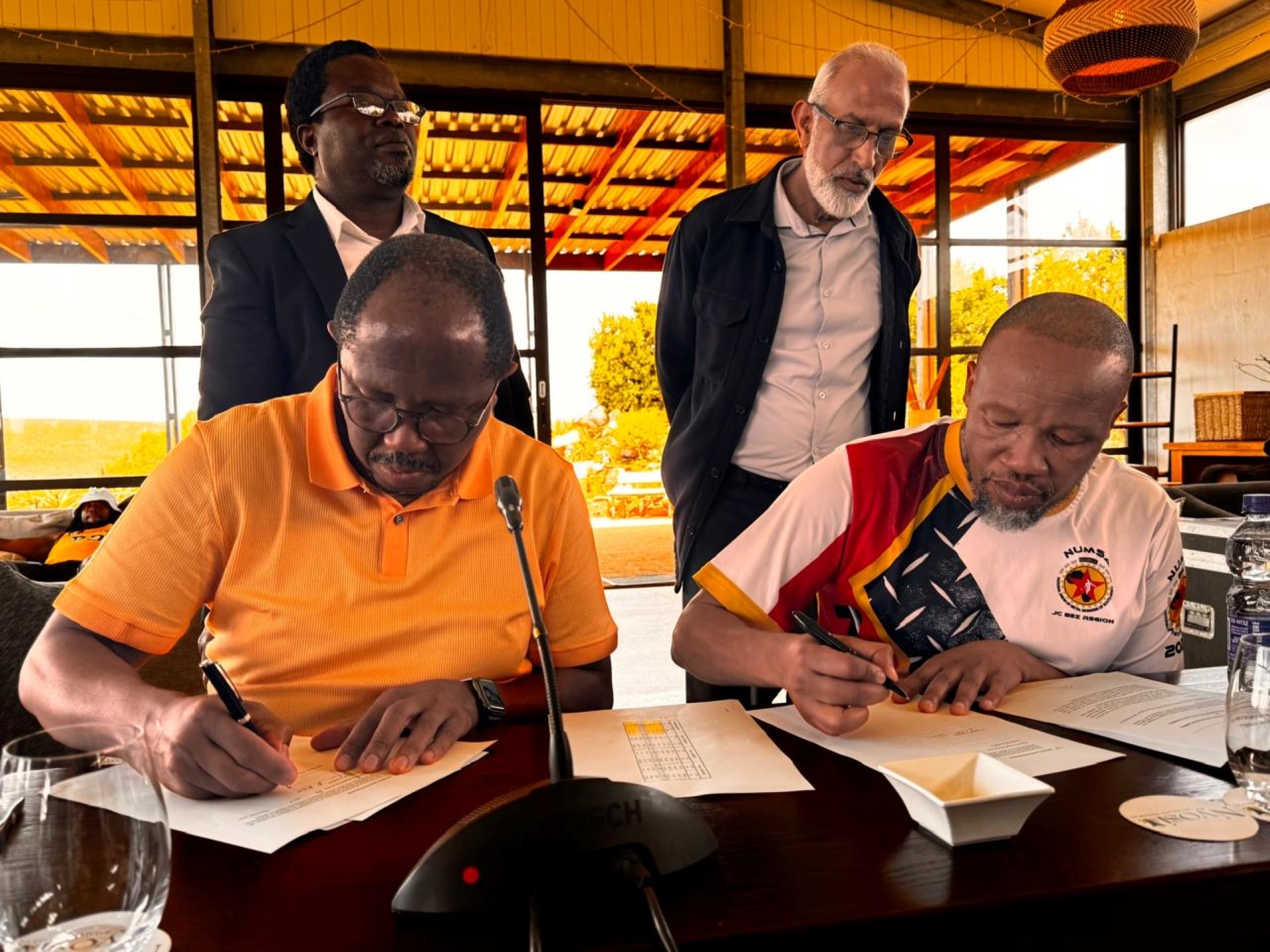
AMEO Chairperson, Abey Kgotle, praised the process and the outcome. “This agreement is a testament to the maturity of our social partnership under the National Bargaining Forum. Despite a challenging environment and a deadlock, all parties ultimately prioritised stability, competitiveness and the long-term sustainability of the automotive manufacturing sector.” Abey said the settlement provides certainty not only for workers and employers but also for the industry at large, including the many businesses downstream.
He added that the multi-year agreement highlights AMEO’s commitment to maintaining South Africa’s standing as a competitive global automotive hub. “In an industry facing global headwinds and the accelerating transition to new energy vehicles, stability is not optional, it is essential.”
For the repair industry, where delays in production can rapidly translate into service backlogs, higher costs and unhappy customers, this agreement represents more than labour peace. It ensures that the supply chain remains intact and that workshops can continue meeting demand without the disruptions that a strike would have introduced.