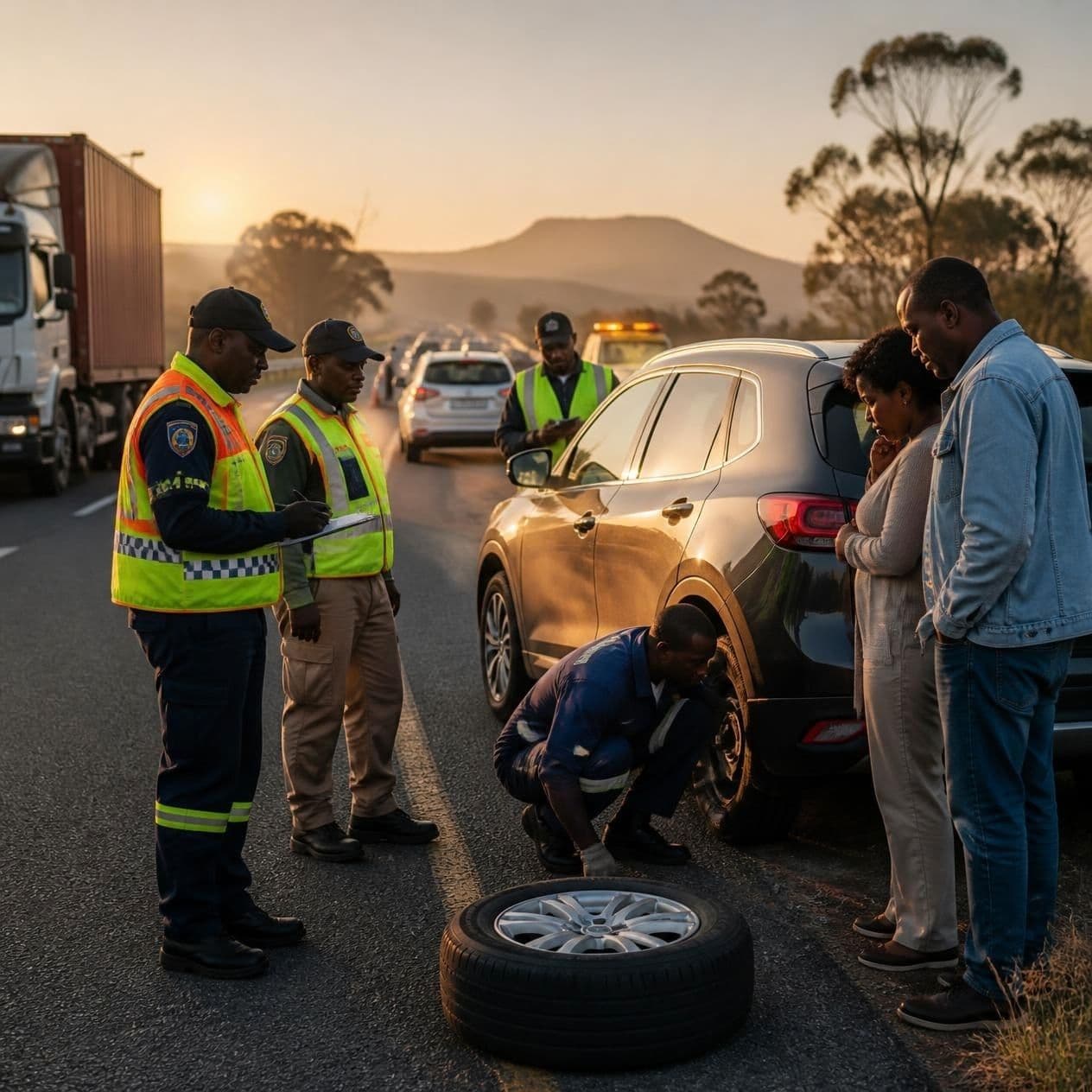
The automotive repair industry faces significant administrative changes with the upcoming Administrative Adjudication of Road Traffic Offences (AARTO) Act, now postponed to 1 July 2026. Whilst the delay provides breathing room, workshops and repair centres using company vehicles must prepare for stricter enforcement that could directly affect daily operations.
Understanding the Business Impact
The Department of Transport has confirmed that traffic fines will initially be linked directly to a business's official Registration Number. For repair shops operating courtesy vehicles, collection and delivery fleets, or mobile service units, this creates immediate accountability. Eugene Herbert, CEO of MasterDrive, warns that unpaid fines could "incapacitate a business by preventing legal operation."
The implications are stark. Vehicles with outstanding fines cannot be renewed, transferred, or replaced. For workshops relying on roadworthy company vehicles to maintain service levels, this represents a serious operational risk.
Financial Considerations
The new system offers a 50 per cent discount on fines paid within 30 days, but penalties escalate quickly beyond this window. With South Africa's historical fine payment rate estimated at less than 20 per cent in 2023, many businesses have grown accustomed to ignoring minor traffic violations. This approach will no longer be viable.
The eNatis system can now trace all fines using Business Registration Numbers, making avoidance impossible. Workshops must implement verified payment systems and internal tracking processes to prevent costly vehicle downtime.

Preparing Your Workshop
Forward-thinking repair businesses are already adapting their procedures. Key steps include appointing someone responsible for monitoring and settling fines promptly, establishing driver training programmes to reduce infringements, and creating formal processes for managing traffic violations across all company vehicles.
The demerit point system, transferable to individual drivers in the third implementation phase, adds another layer of complexity. Once drivers accumulate 15 demerit points, licence suspension or cancellation becomes possible, though a rehabilitation programme exists.
Herbert's message is unequivocal: "Proactive compliance is no longer optional, it is essential for continued operations." Repair workshops ignoring these changes risk operational disruptions that could halt business entirely.