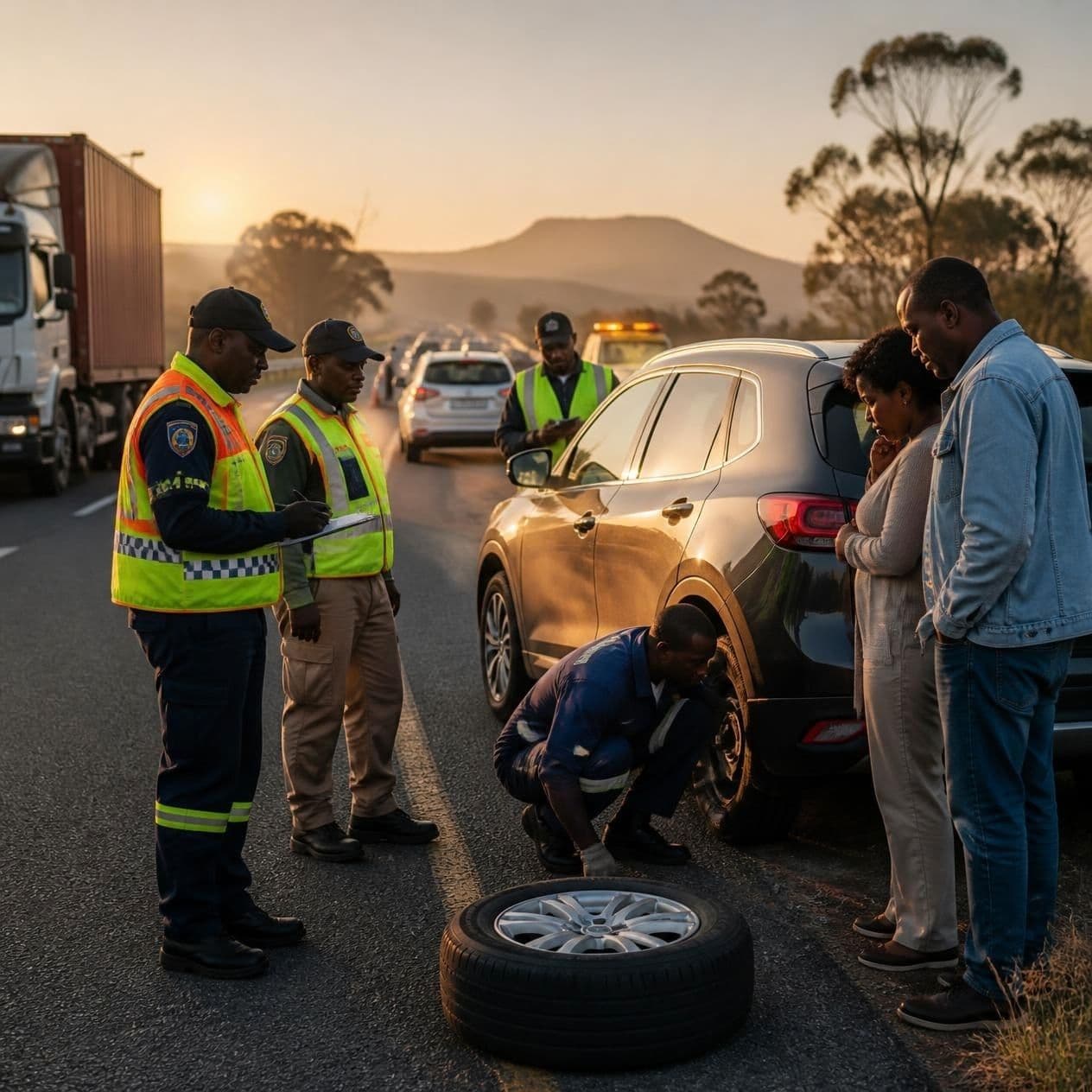
A fresh study from CARFAX, published 18 November, reveals that around 41 per cent of vehicles in the United States are currently overdue for at least one major service.
According to CARFAX, “major services” comprise brake inspections and replacements, suspension and steering checks, transmission fluid servicing, coolant flushes and air-filter changes (engine and cabin). Supplementary findings highlight that nearly 30 per cent of cars are behind on tyre rotations, with almost 20 per cent overdue for basic oil changes.
In a climate of ongoing economic pressures and weak consumer confidence, many vehicle owners are postponing maintenance — a trend that carries safety and financial implications, both for drivers and repair shops. As CARFAX’s chief product officer puts it: “Taking care of your vehicle pays off in both the short and long term.”
Ageing Fleet: More Cars, Older Cars
Concurrently, the U.S. road fleet is growing older, which amplifies the potential risks of deferred maintenance. According to S&P Global Mobility, the average age of all light vehicles in operation rose to 12.8 years in 2025 — the second straight year of increase.
Broken down by type, passenger cars now average 14.5 years, while light trucks stand at 11.9 years. Meanwhile, the total number of light vehicles on U.S. roads swelled to 289 million, up three million from 2024; a stable scrappage rate of about 4.5 per cent means older cars remain active rather than being retired.
This demographic shift matters: vehicles between six and fourteen years old — particularly those built between 2015 and 2019 — are now entering what many in the automotive aftermarket call a “prime service window”.
Implications for Crash and Repair Risk
Deferred maintenance is not merely a cost-saving move: it may pose serious safety hazards. Experts warn that worn brakes, degraded suspension or tyres, and neglected steering systems increase the risk of accidents.
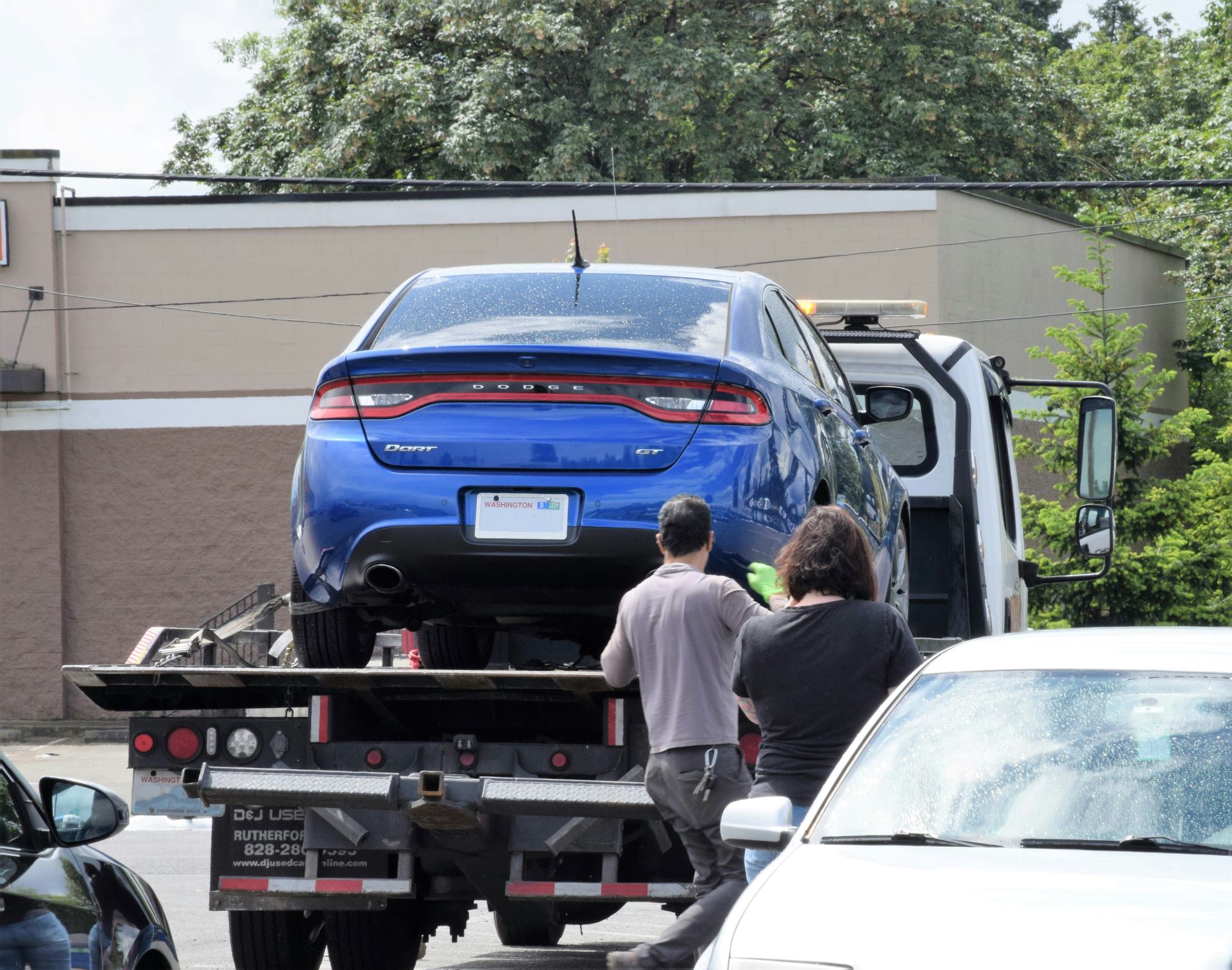
For collision repair shops and insurers alike, this trend changes the calculus. Damage following a crash is often more severe when preexisting maintenance neglect has deteriorated critical components — leading to broader scopes of repair. Documenting pre-existing conditions can become essential when negotiating with insurers.
For shops with mechanical expertise — or those partnering with mechanical specialists — these deferred-maintenance vehicles represent a potential increase in repair volume. As disassembly begins, technicians often discover worn suspension parts, weakened braking systems, or steering issues long neglected.
Additionally, as vehicles age and become more complex — particularly with modern electronics and sensors — labour rates, parts costs and technical requirements such as ADAS (Advanced Driver Assistance Systems) calibration increasingly factor into repair estimates.
A Business Opportunity — and a Call for Routine Safety Checks
With four out of every ten cars arriving at repair shops likely overdue for important maintenance, there’s a clear opportunity to reframe routine safety inspections as standard practice.
By proactively offering comprehensive checks — covering brakes, suspension, tyres, fluids and filters — repair shops could help curb crash risk, while simultaneously expanding their service scope. In an environment where economic pressures are causing many motorists to defer maintenance, such inspections may represent a win–win: enhancing safety and unlocking additional revenue for aftermarket providers.