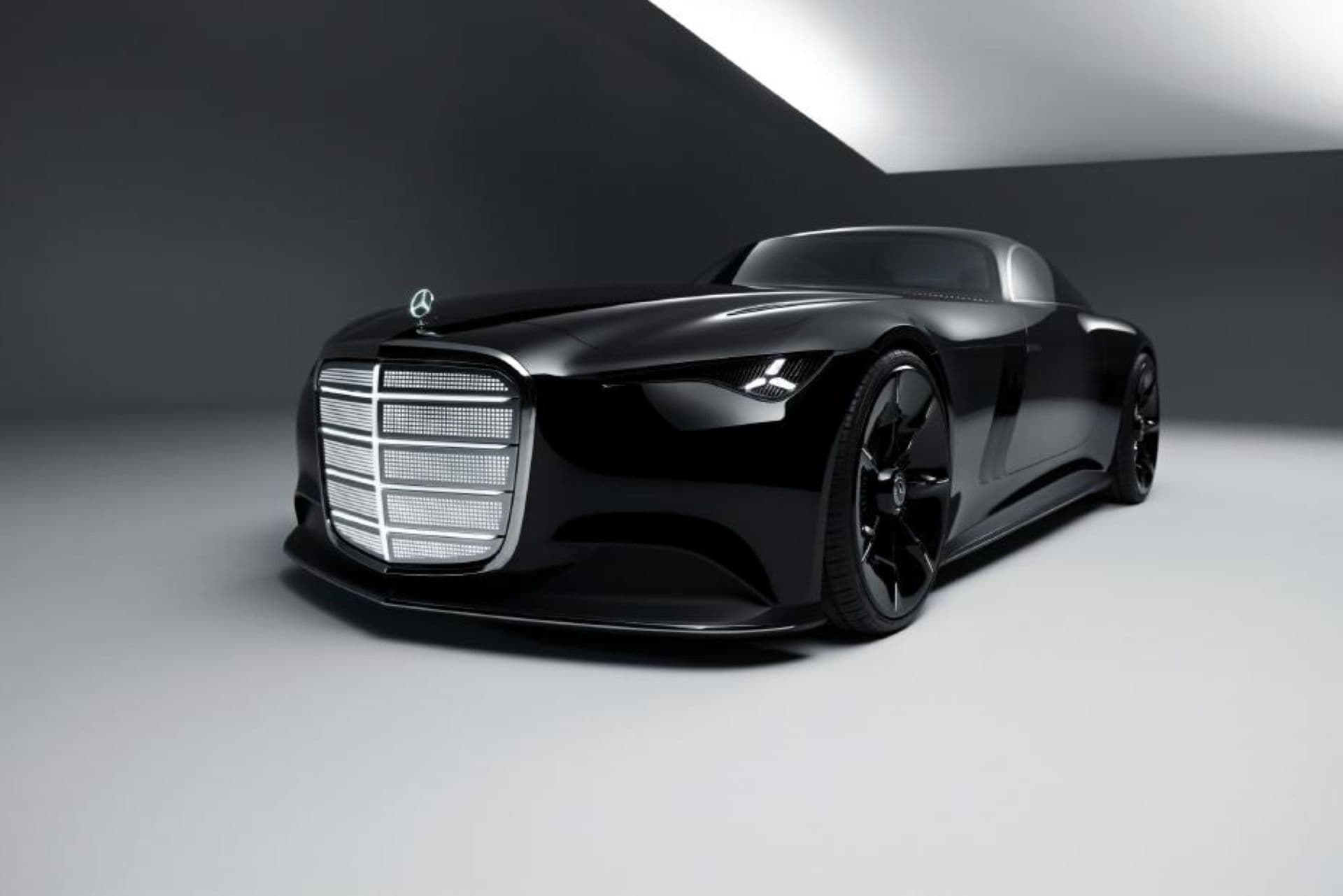
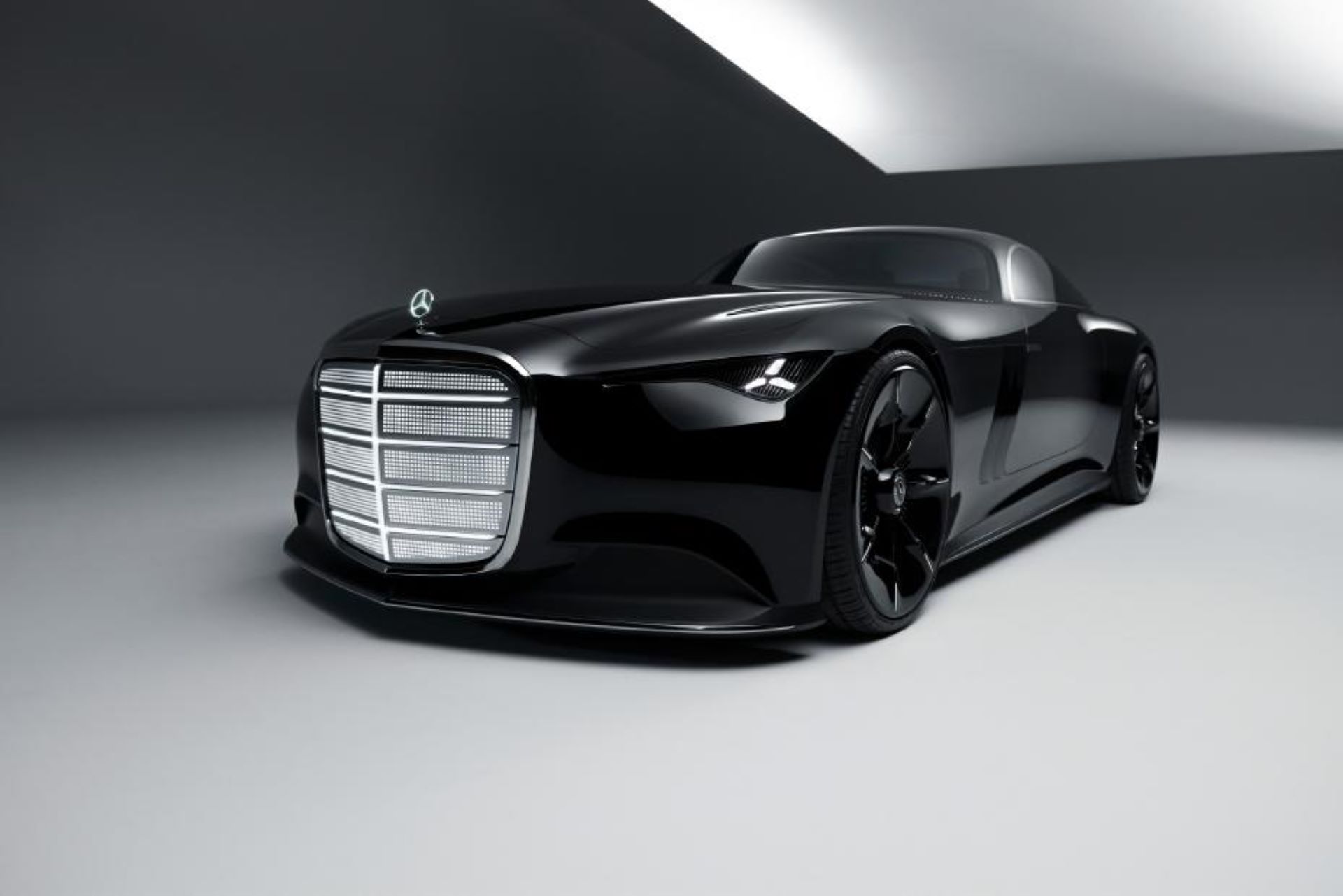
Mercedes-Benz has introduced groundbreaking solar technology in its Vision Iconic concept vehicle that could revolutionize how electric cars harness renewable energy. While the concept boasts advanced features like Level 4 autonomous capabilities and wire-based steering systems, its most innovative element lies beneath the surface—literally.
The German automaker has engineered an ultra-thin photovoltaic coating measuring just 5 micrometers thick—roughly one-twentieth of a millimeter—that transforms the entire vehicle exterior into an energy-generating surface. This microscopic film sits between the car's body panels and its glossy black finish, creating a seamless integration that's virtually undetectable.
What makes this technology particularly revolutionary is its environmental profile. Unlike conventional solar panels that rely on silicon and rare-earth materials, Mercedes' coating uses nanoparticle-based components designed for efficient recycling. The specially formulated paint permits 94 percent of solar radiation to penetrate through to the energy-harvesting layer below.
The flexible photovoltaic material conforms to various surfaces and continuously generates electricity regardless of whether the vehicle is moving, stationary, or powered down—potentially adding substantial range to electric vehicles depending on climate and exposure conditions.
Mercedes estimates that approximately 11 square meters of this solar coating—comparable to a midsize SUV's surface area—could generate sufficient energy for 12,000 kilometers of annual driving in Stuttgart's climate. In sunnier regions like Los Angeles, that figure jumps to an impressive 20,000 kilometers yearly.
"Solar cells on vehicles aren't a new concept, but we're advancing what's achievable," explained Jochen Schmid, Mercedes-Benz senior manager for future electric drive, in comments to Automotive News Europe. The breakthrough lies in applying this technology across complex vehicle contours.
"The material is flexible and stretchable enough to follow intricate three-dimensional surfaces," Schmid noted. "Achieving this represented a significant milestone for our team."
Current development focuses on manufacturing processes that balance speed and affordability. "Extensive research remains necessary because introducing a solution that adds €10,000 to vehicle cost would undermine the customer's total ownership value," Schmid emphasized.
Future applications may extend beyond black finishes. The team is exploring filtered coatings that could offer blue, red, or green hues while maintaining energy collection capability. However, color choices involve trade-offs—darker shades maximize solar efficiency while lighter colors reduce performance.
"Moving from black to blue might decrease performance approximately 5 percent," Schmid said. "White would present the greatest efficiency challenge."
This innovation represents Mercedes' broader commitment to enhancing energy efficiency and environmental sustainability in upcoming electric vehicle generations, potentially setting new industry standards for renewable energy integration in automotive design.