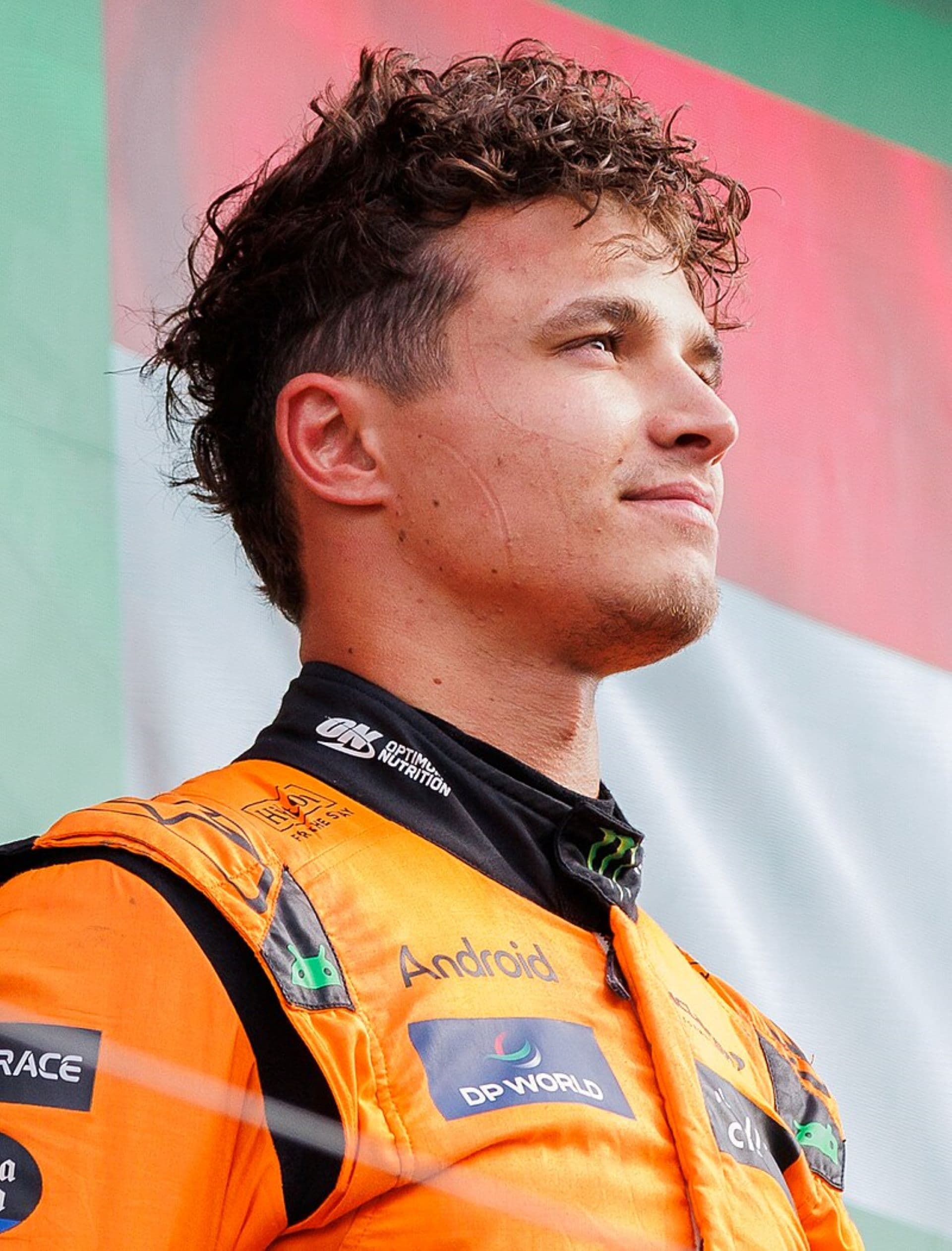
When McLaren Formula 1 driver Lando Norris stepped into a spray booth at the McLaren Technology Centre, he faced a challenge far removed from the high-speed corners of a Grand Prix circuit. Armed with a spray gun and protective gear, Norris took on the Sikkens Spray Challenge—demonstrating a new waterborne basecoat that could reshape how body shops approach refinishing work.
The exercise was more than just a publicity stunt. It was designed to showcase Sikkens Autowave Optima, the latest innovation to emerge from AkzoNobel's 16-year partnership with the McLaren Formula 1 Team. The collaboration, which began in 2008, has consistently pushed the boundaries of coating technology, with lessons learned on the racetrack translating directly to commercial applications.
For this demonstration, Norris applied McLaren's iconic Papaya orange to a panel—a notoriously difficult colour to match and apply. The twist? He completed the entire job, including a striking black fireworks design, without ever leaving the spray booth. No waiting for flash-off between coats. No interruption in workflow. Just continuous application from start to finish.
"Our partnership with McLaren is built on precision, speed, and innovation," says Patrick Bourguignon, business director for Automotive & Specialty Coatings at AkzoNobel. "Those same values define Autowave Optima. What works for a Formula 1 team works for body shops facing similar demands for performance and efficiency."
The technology behind the demonstration centres on high pigmentation that achieves full coverage in just 1.5 layers instead of the conventional two coats. This seemingly modest improvement translates to dramatic time savings—up to 50% reduction in process time, according to AkzoNobel's testing. For Norris, it meant creating complex colour fades and custom effects in a single session, exactly the kind of efficiency that body shops need to manage increasing workloads.
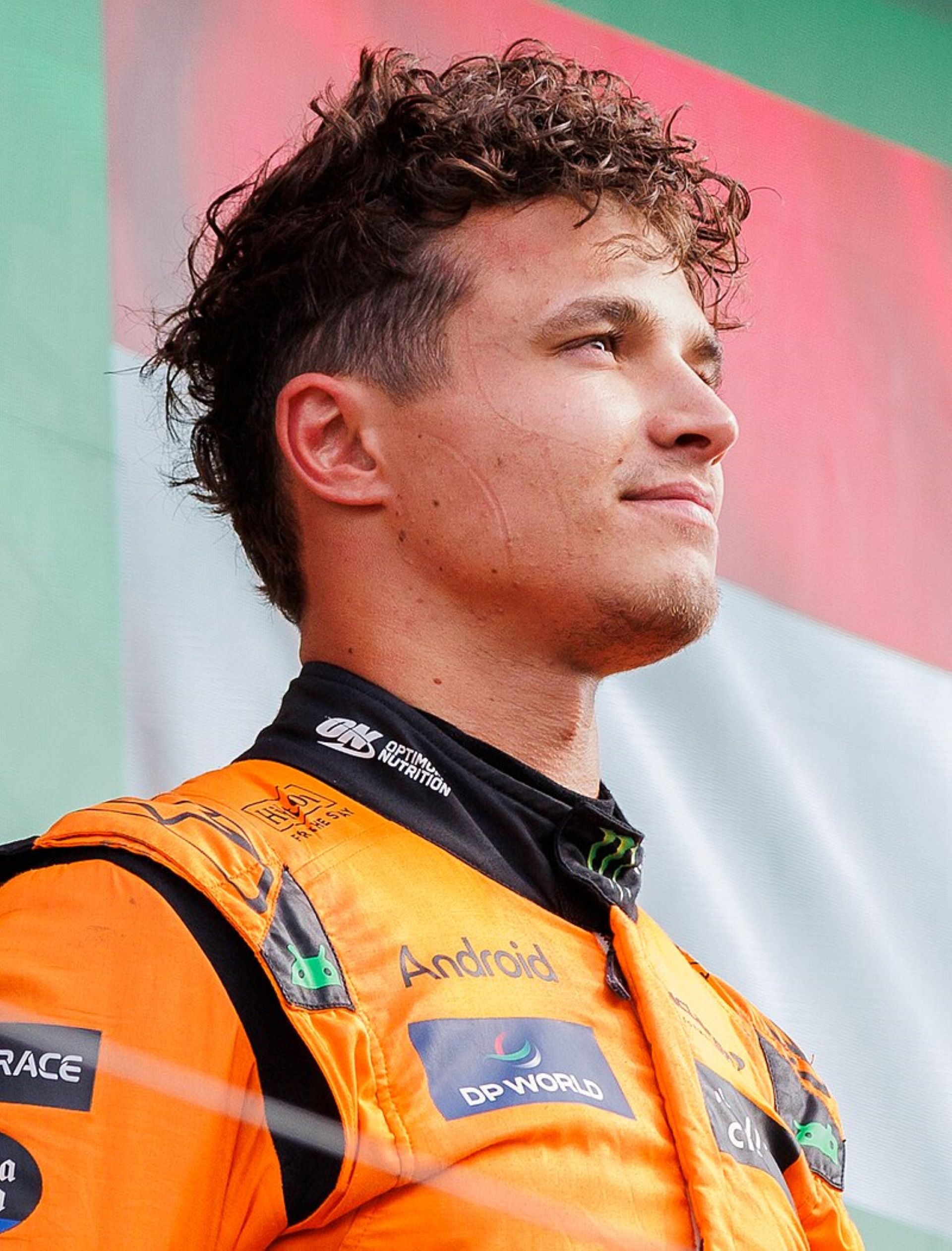
The McLaren connection runs deeper than marketing. The Formula 1 team's exacting standards for finish quality and colour consistency have helped refine the product over years of real-world motorsport application. Every McLaren race car undergoes multiple refinishing cycles throughout a season, providing a demanding test environment that few commercial shops could replicate.
The environmental credentials also reflect the partnership's forward-thinking approach. Testing at McLaren facilities confirmed that Autowave Optima uses 60% less energy than conventional basecoats while maintaining VOC levels at 380 g/l—well below the 420 g/l regulatory threshold. For a racing team under increasing pressure to demonstrate sustainability, and for body shops facing similar scrutiny, these numbers matter.
The campaign filmed at the McLaren Technology Centre captures Norris working through the application process with surprising ease, proving that the system's intuitive handling doesn't require years of spray booth experience. If a racing driver can achieve professional-quality results on his first attempt, the message to experienced technicians is clear: this technology removes complexity rather than adding it.
As McLaren and AkzoNobel continue their partnership into its second decade, Autowave Optima represents the kind of mutual innovation that defines successful technical collaborations. What begins as a solution for Formula 1's unique demands ultimately delivers practical benefits for body shops worldwide—faster turnaround, lower energy costs, and the consistent high-quality finishes that both motorsport teams and collision repair customers demand.
Sikkens Autowave Optima is now available through AkzoNobel's distribution network, bringing Formula 1-tested technology to body shops ready to accelerate their own performance.