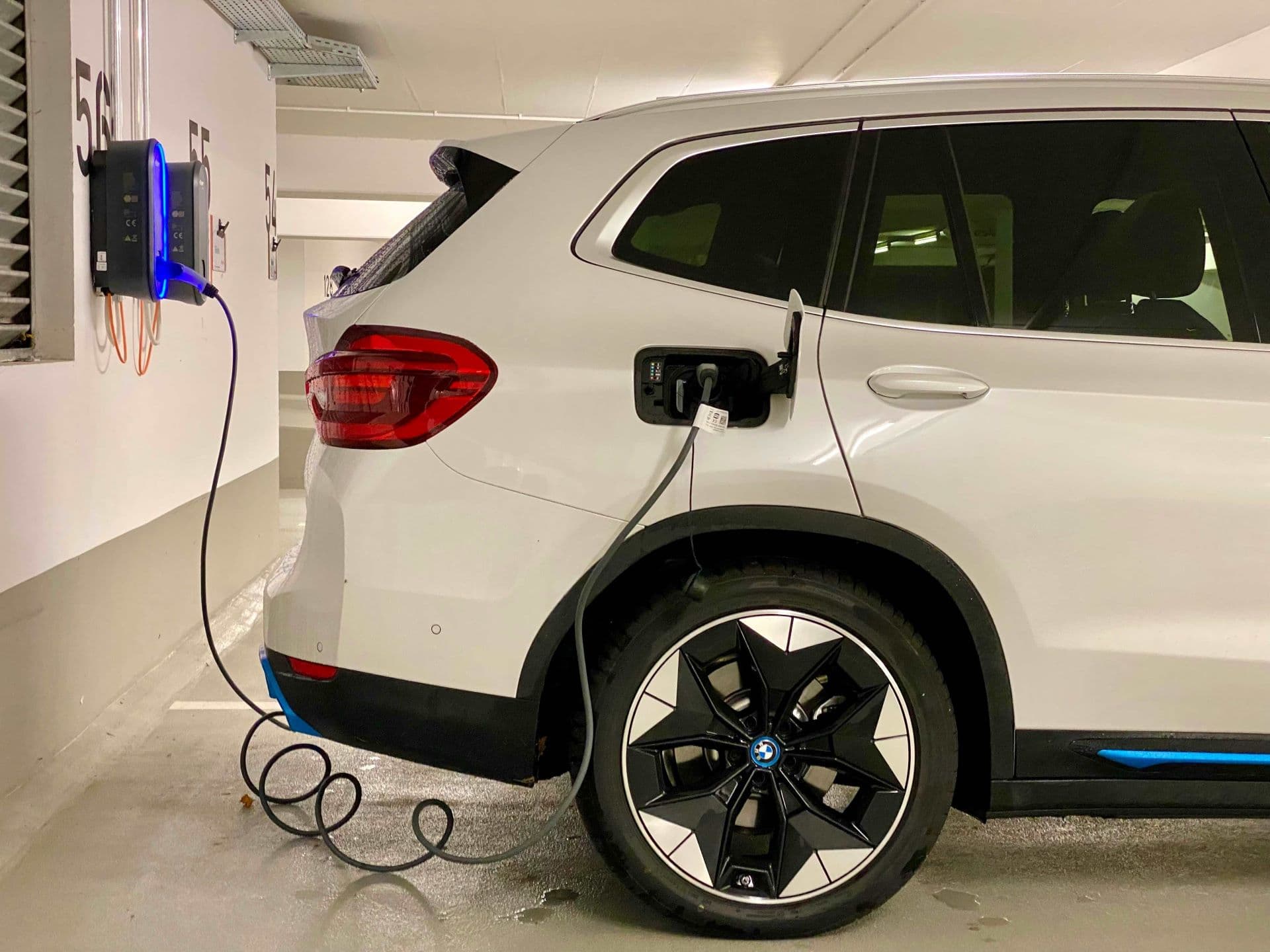
The automotive industry is undergoing a significant transformation with the rise of electric vehicles (EVs). As more consumers embrace the environmental and economic benefits of EVs, collision repair workshops must also evolve to accommodate these new vehicles' unique characteristics and requirements. From specialised training to updated equipment, here's a broad overview of how collision repair workshops can adapt to the influx of electric vehicles. This guide is only to get you to start asking questions and investigate and is by no means exhaustive!
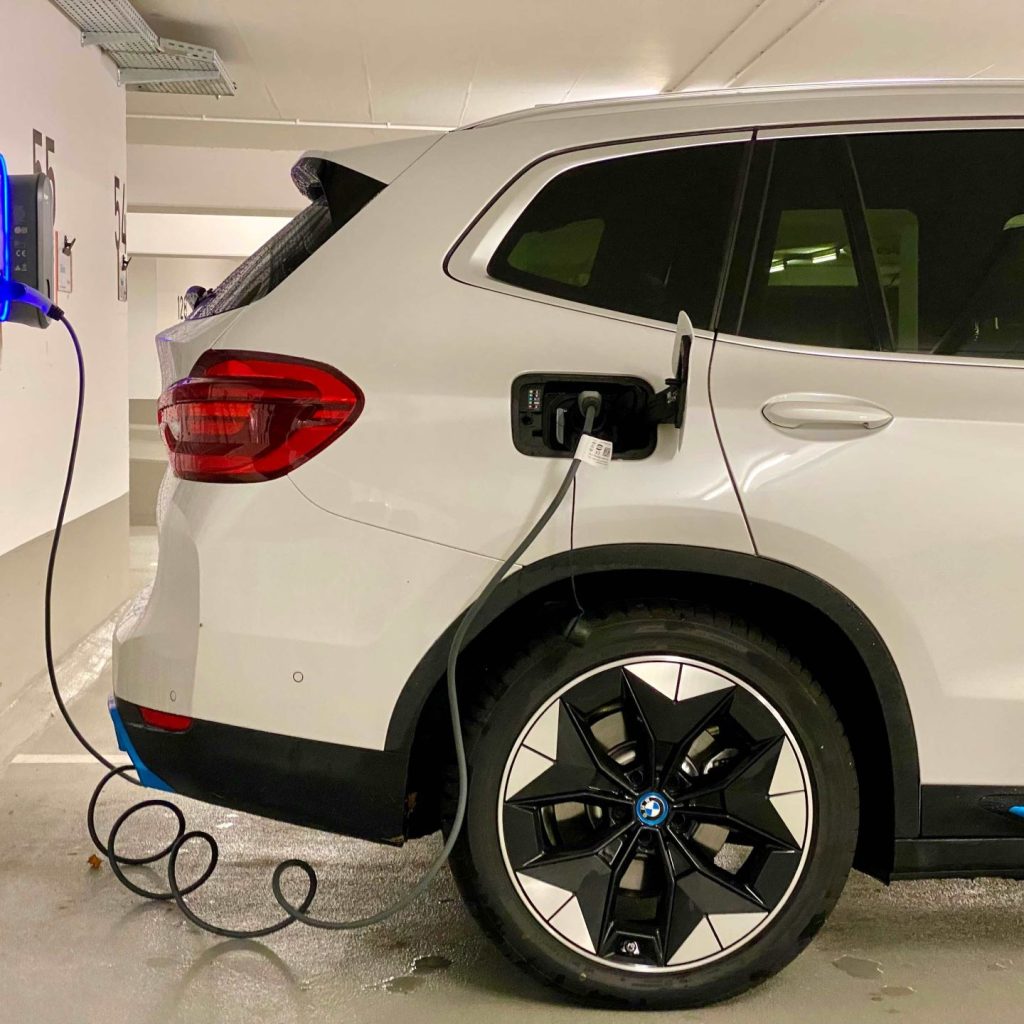
The transition to repair electric vehicles requires specialised knowledge and training. Collision repair technicians must understand the intricacies of EV components, including high-voltage systems, battery packs and regenerative braking systems. Training programmes that focus on EV technology, safety protocols and handling procedures are essential to ensure the safety of both technicians and customers. Continuous education and certification programmes will be crucial as EV technology continues to advance.
Electric vehicles often have different structural designs and materials compared to traditional internal combustion engine vehicles. Collision repair workshops need to invest in equipment capable of handling EVs' unique requirements, such as aluminium repair tools, specialised welding equipment and battery servicing tools. Additionally, diagnostic equipment that can accurately assess EV systems and identify potential damage is essential for thorough repairs.
Safety is paramount when working with electric vehicles owing to the high-voltage systems they contain. Collision repair workshops must establish strict safety protocols for handling EVs, including proper shut-off procedures, insulated tools and personal protective equipment (PPE). Technicians should be trained to identify and mitigate potential electrical hazards to prevent accidents or injuries.
One of the primary motivations for transitioning to electric vehicles is their reduced environmental impact. Collision repair workshops should align with this sustainability ethos by implementing environmentally friendly practices. This includes the proper disposal of damaged EV components, the recycling of materials and minimising energy consumption throughout the repair process. Embracing eco-friendly practices not only benefits the environment but also enhances the workshop's reputation among environmentally conscious consumers.
EVs rely heavily on advanced software systems to control various functions, including battery management, power distribution and driver assistance features. Collision repair workshops must invest in software and diagnostic tools capable of interfacing with EVs' onboard systems to accurately diagnose and repair issues. This may involve partnering with software providers or undergoing specialised training to effectively utilise these tools.
To instil confidence in customers and ensure the highest quality repairs, collision repair workshops should seek OEM (Original Equipment Manufacturer) certification for specific electric vehicle brands. OEM certification signifies that technicians have undergone rigorous training and possess the necessary skills to repair vehicles according to manufacturers' standards. This not only enhances the workshop's credibility but also expands its service offerings to cater to EV owners' needs.
By investing in education, technology and sustainability initiatives now, collision repair workshops can position themselves as leaders in the evolving automotive landscape while providing customers with the highest quality repairs for their electric vehicles.