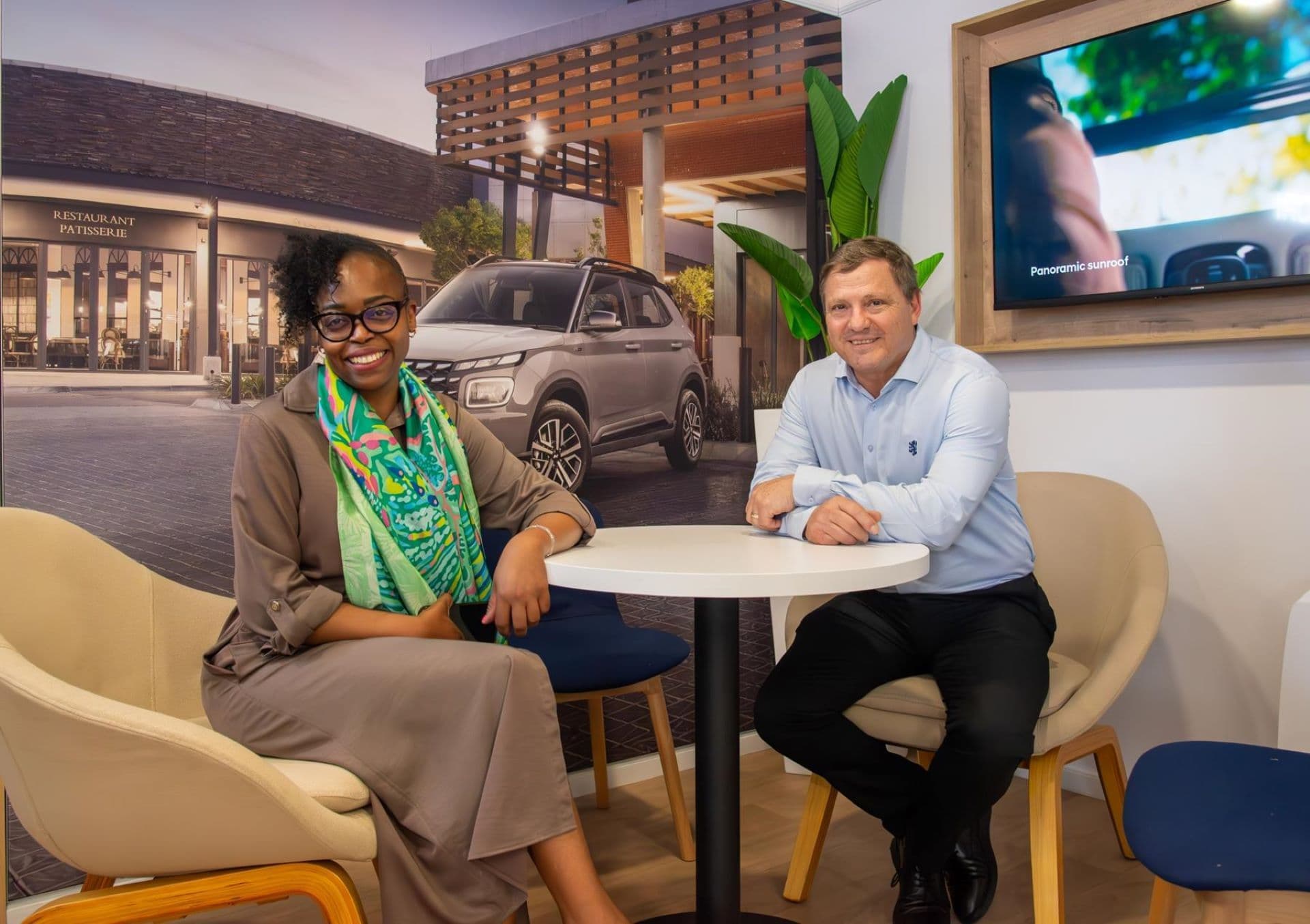
Women now make up nearly a quarter of all apprentices at Hyundai Automotive South Africa, marking a significant cultural and structural transformation within one of the country's leading vehicle franchise networks.
The company has grown its national apprenticeship programme to 338 active apprentices, with 80 women now representing 24% of the total — a notable shift in an automotive sector where female participation in artisan trades has historically remained very low. At dealership level, technical capability is increasingly critical as modern vehicles become more advanced and digitally integrated.
"As an organisation, we view apprenticeship development as a strategic business imperative," says Stanley Anderson, CEO of Hyundai Automotive South Africa. "By investing at scale across our 97-dealer footprint, we are strengthening our dealerships while contributing meaningfully to South Africa's skills economy."
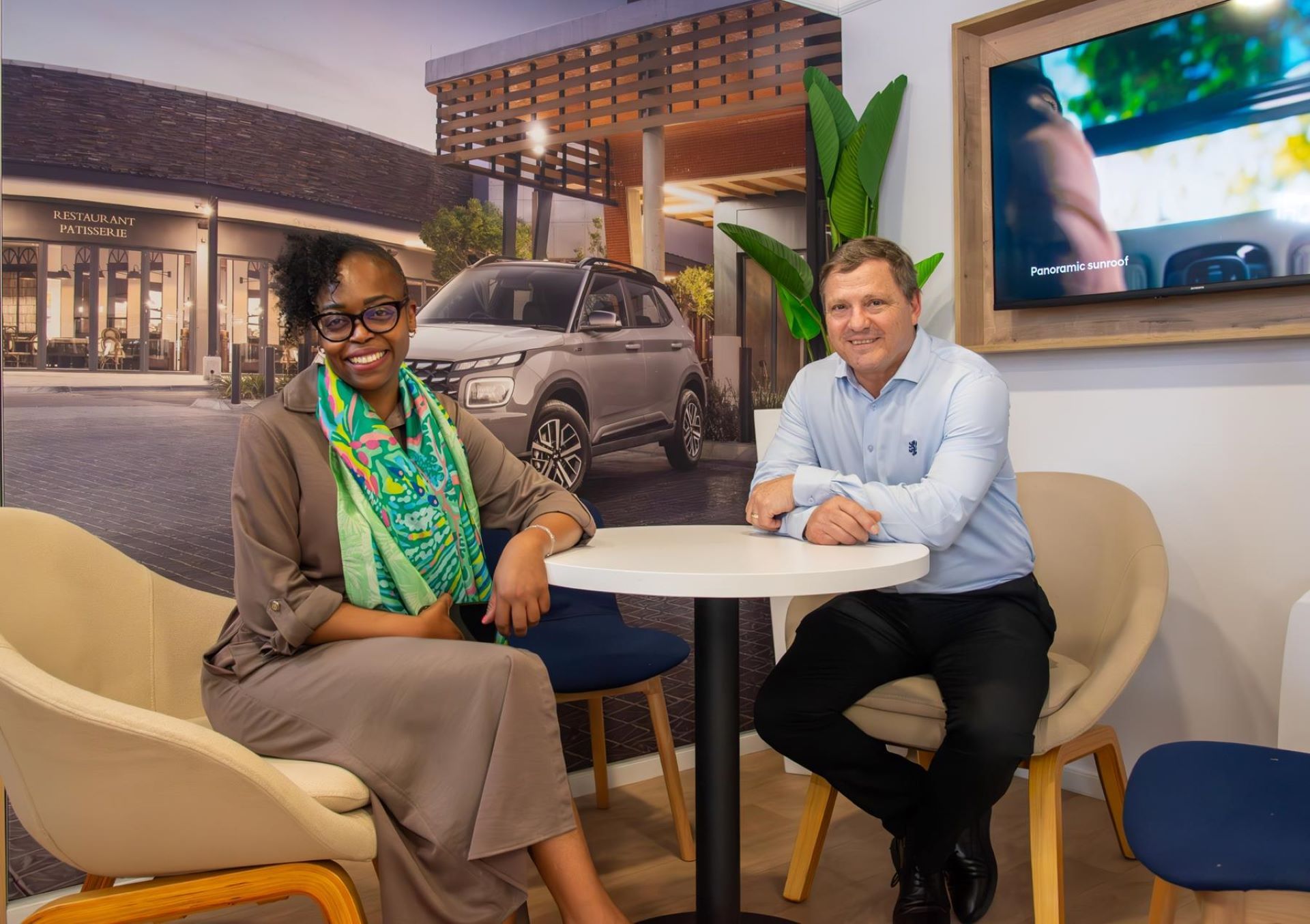
The programme is built around expert mentorship, with each apprentice paired with an experienced aftersales specialist — many holding more than 20 years of automotive engineering experience.
Christine Masinga, Human Resources Director of Hyundai Automotive South Africa, highlighted the deliberate focus on broadening opportunity whilst maintaining rigorous standards. "This ensures practical knowledge is transferred directly from master technicians to emerging apprentices," she said.
"Nearly a quarter of our apprentices are women because we have intentionally widened opportunities whilst preserving technical rigour. When young people receive structured training, mentorship and clear career pathways, talent rises to meet the standard," she added.
For Hyundai owners, this translates into confidence: vehicles serviced by technicians trained under a structured, performance-driven programme and guided by some of the most experienced aftersales professionals in the industry.