South Africa’s motor body repair sector is under growing strain as sharp fuel price increases push operating costs higher, prompting some insurers to take early steps to ease the pressure on workshops across the country.
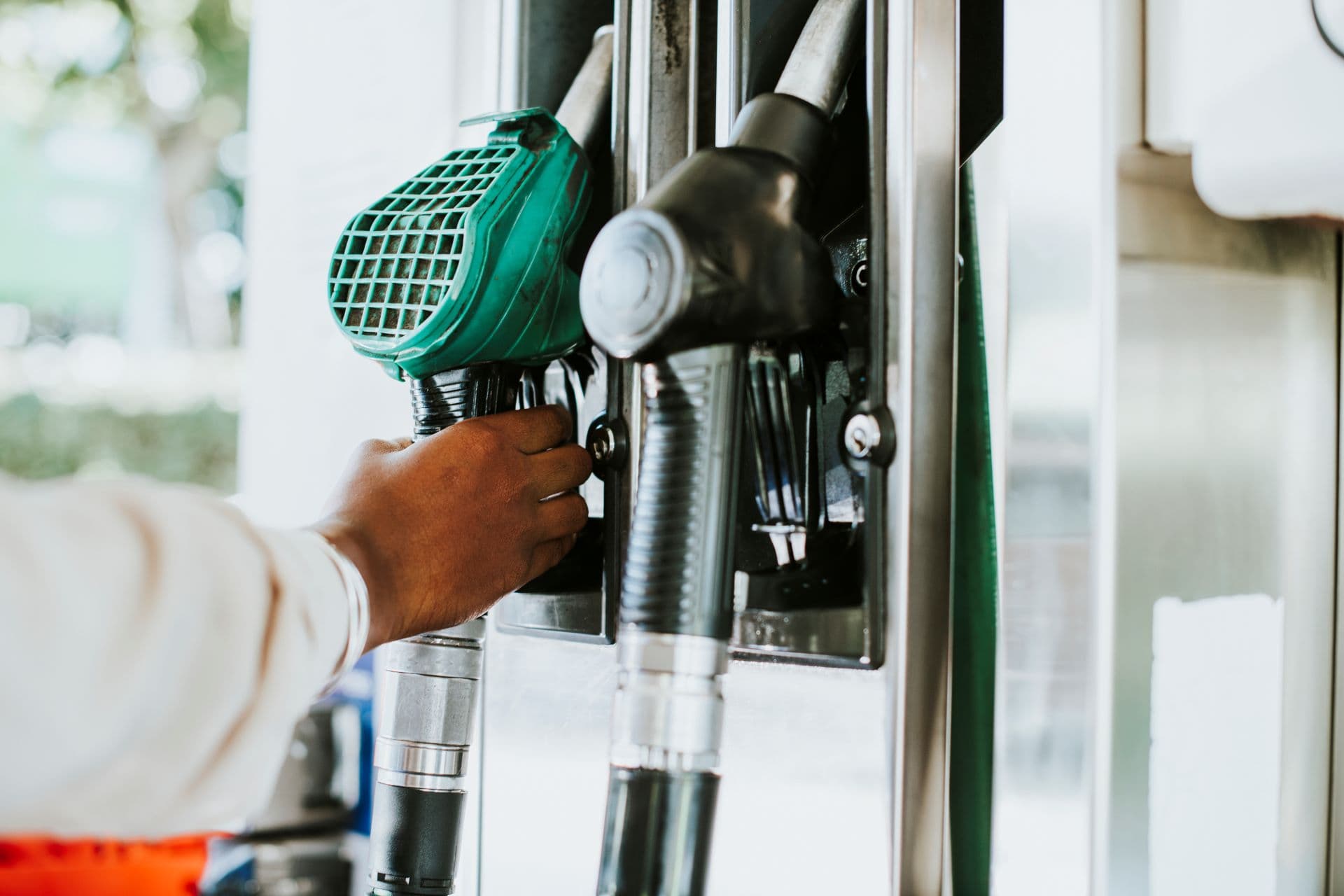
Recent fuel adjustments have seen diesel prices jump by more than seven rand per litre for both low sulphur grades. For many repairers, diesel is not a marginal input but a core cost tied to collection and delivery, towing, equipment operation and logistics. Added to existing challenges such as tight labour rates, rising parts prices and fragile supply chains, the impact has been immediate and severe.
The South African Motor Body Repairers’ Association (SAMBRA) says the cumulative effect of these pressures is no longer gradual. For smaller and medium sized workshops in particular, fuel cost volatility has become a question of survival rather than profitability.
Unlike many other industries, pricing in the motor body repair environment is largely controlled by estimating platforms such as Audatex. These systems are periodically updated to reflect changes in input costs, including fuel. While this model can accommodate steady increases over time, it struggles to keep pace with sudden spikes, leaving repairers exposed in the short term.
Against this backdrop, recent decisions by certain insurers to introduce interim concessions have been welcomed by the industry. These include additional cost alignment mechanisms, such as per job fees, designed to recognise the real and immediate burden placed on workshops by fuel driven expenses.
SAMBRA National Director Juan Hanekom says these measures reflect a more realistic understanding of conditions on the workshop floor. He notes that recognising true operating costs is essential not only for the sustainability of repair businesses, but for the safety and quality of vehicle repairs delivered to motorists.
There are broader implications if cost pressures continue to accumulate unchecked. Reduced repair capacity, longer turnaround times and pressure on claims efficiency could follow, affecting insurers and consumers alike.
While the recent interventions are seen as positive, the association stresses that they should be viewed as a starting point rather than a solution. Longer term alignment between insurers, repairers and industry pricing systems will be needed to ensure that repair rates remain fair, transparent and responsive to real world conditions.
As fuel prices remain volatile, the call from the repair sector is for wider and more consistent adoption of supportive measures, alongside more structural approaches to pricing. The goal, SAMBRA says, is a stable and efficient repair ecosystem that can withstand economic shocks without compromising service or safety.