Electric vehicle collision claims continue to rise across North America even though sales of new battery electric vehicles have slowed.
Mitchell International’s latest analysis shows that repairable battery electric vehicle (BEV) claims increased by 14 percent in the United States and 24 percent in Canada in 2025. Sales of new BEVs fell by about 2 percent in the United States, yet the growing number of electrified vehicles on the road ensures that claim volumes keep climbing.
The share of repairable claims for plug in hybrids rose by 6 percent in the United States and 26 percent in Canada, while mild hybrid claims grew by 20 percent and 29 percent respectively. Analysts attribute this rise to the continued expansion of the EV fleet despite cooling sales momentum.
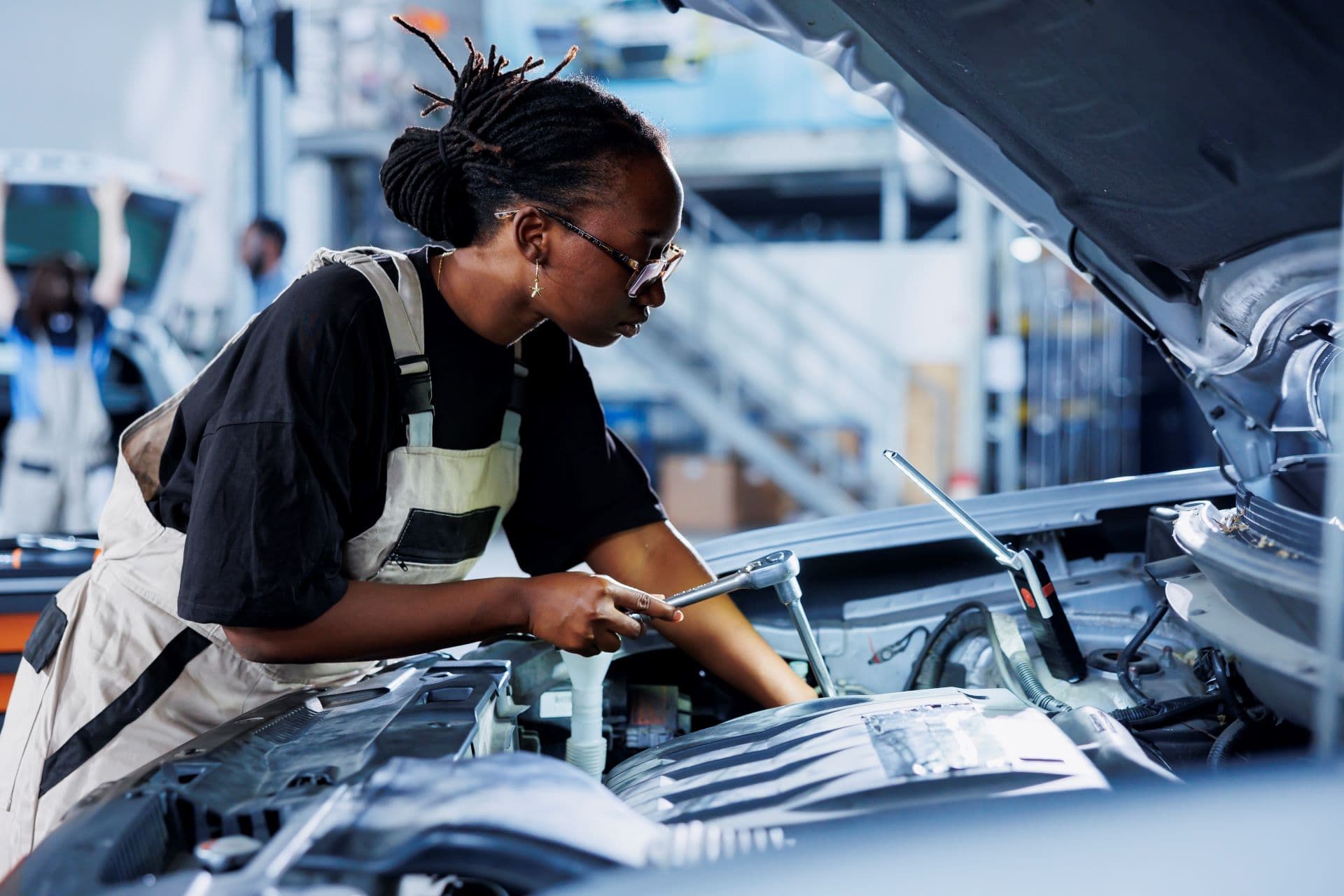
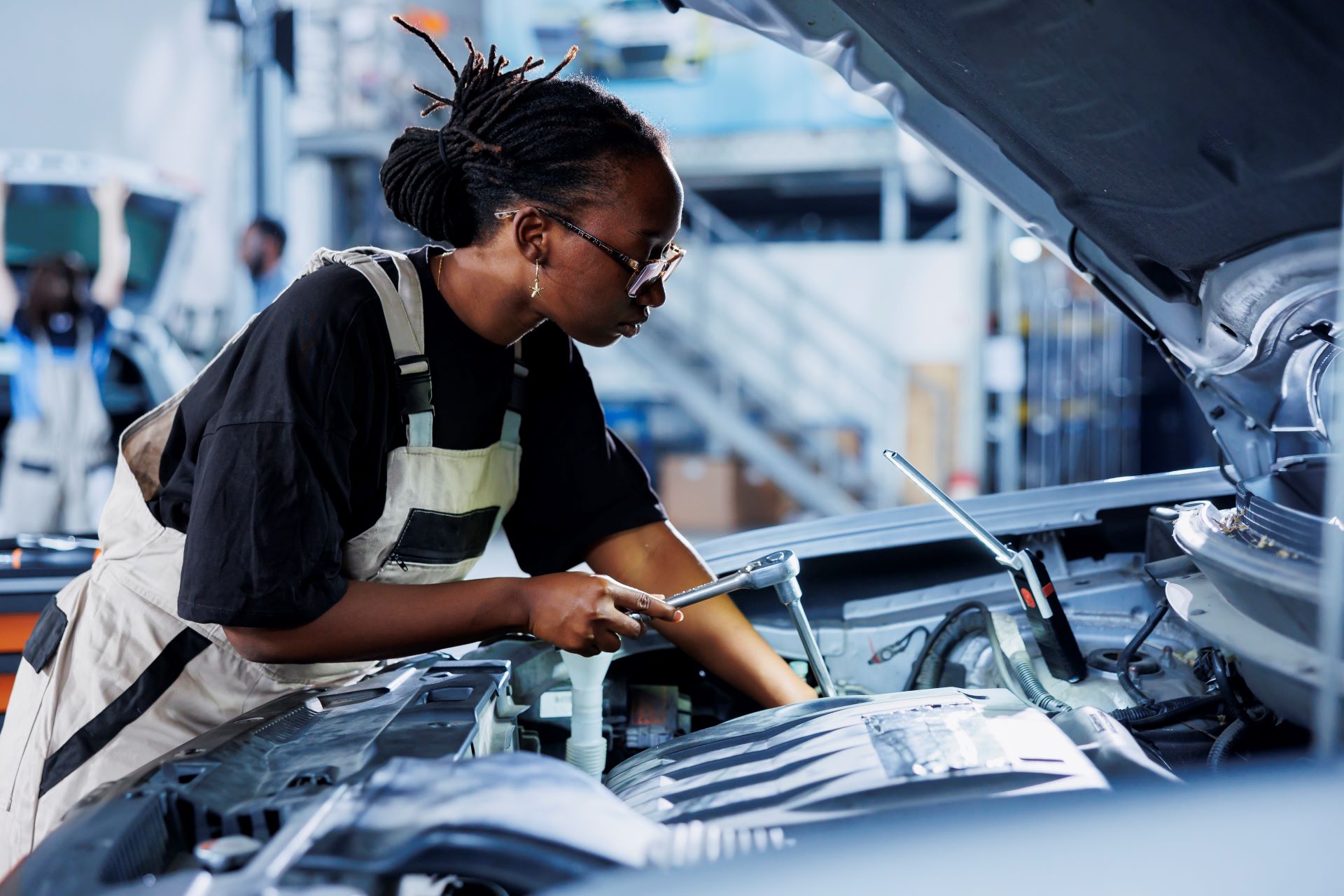
Repairing these vehicles remains complex due to dense electrical systems and sensor heavy designs which require more diagnostic and calibration work. BEVs averaged 1.70 calibrations per estimate in 2025 compared with 1.63 for hybrids and 1.54 for internal combustion vehicles.
Market values for total loss vehicles declined across most powertrain types with BEVs experiencing the steepest drop at 6 percent in the United States and 13 percent in Canada due to depreciation, lower cost model availability and shifting consumer sentiment.
Average repair severity for BEVs fell by 5 percent in the United States and 2 percent in Canada, yet repair costs remain notable. Mild hybrid repair costs in the United States increased by 4 percent to R81875 ($5054) while remaining steady in Canada at R101525 ($6267). Other industry data also shows that BEV repair severity averaged around R100197 ($6185) in the United States during the third quarter of 2025, reflecting a slight moderation from earlier periods as pricing stabilised.
Industry experts suggest that fluctuations in sales do not immediately reduce collision volumes because the expanding base of BEVs and hybrids already on the road continues to generate claims. Original equipment manufacturer parts also remain more prevalent in BEV repairs which can increase costs and extend repair times when availability is limited.