Stellantis is strengthening its commitment to South African manufacturing as it refines its plans for the new Coega plant, an investment that forms part of a broader strategy to grow regional production. Although the timeline has shifted, the manufacturer says the updated approach will better position the facility for sustainable output.
The company acknowledges that global conditions have influenced the pace of the project. “As we are all aware, the current global automotive market conditions have placed tremendous pressure on the industry. This has necessitated a review of the current project business case, with the objective of securing additional products to produce in the local plant from the start of production, in order to maximise the 50 000 annual volume threshold,” explains Des Fenner.
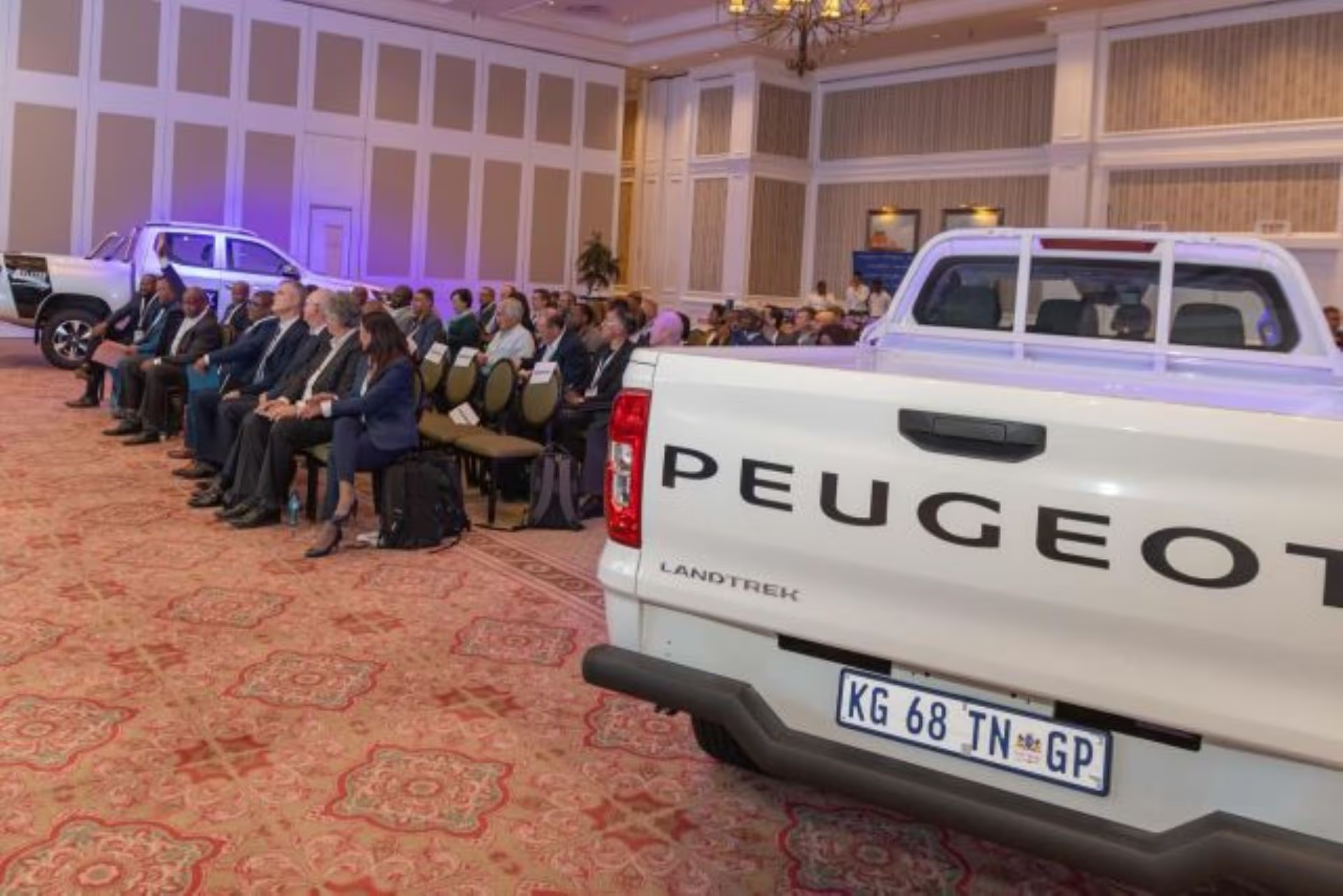
To support this, Stellantis is reworking the scope of the plant to accommodate additional models beyond the Landtrek bakkie. “We believe it is prudent to complete the business case for the additional models before beginning construction. We understand that these additional products will require a change in scope for the manufacturing plant, as well as additional investments. This revised business case will result in changes to the overall project scope, cost and timing, moving the start of production to a later date,” he says.
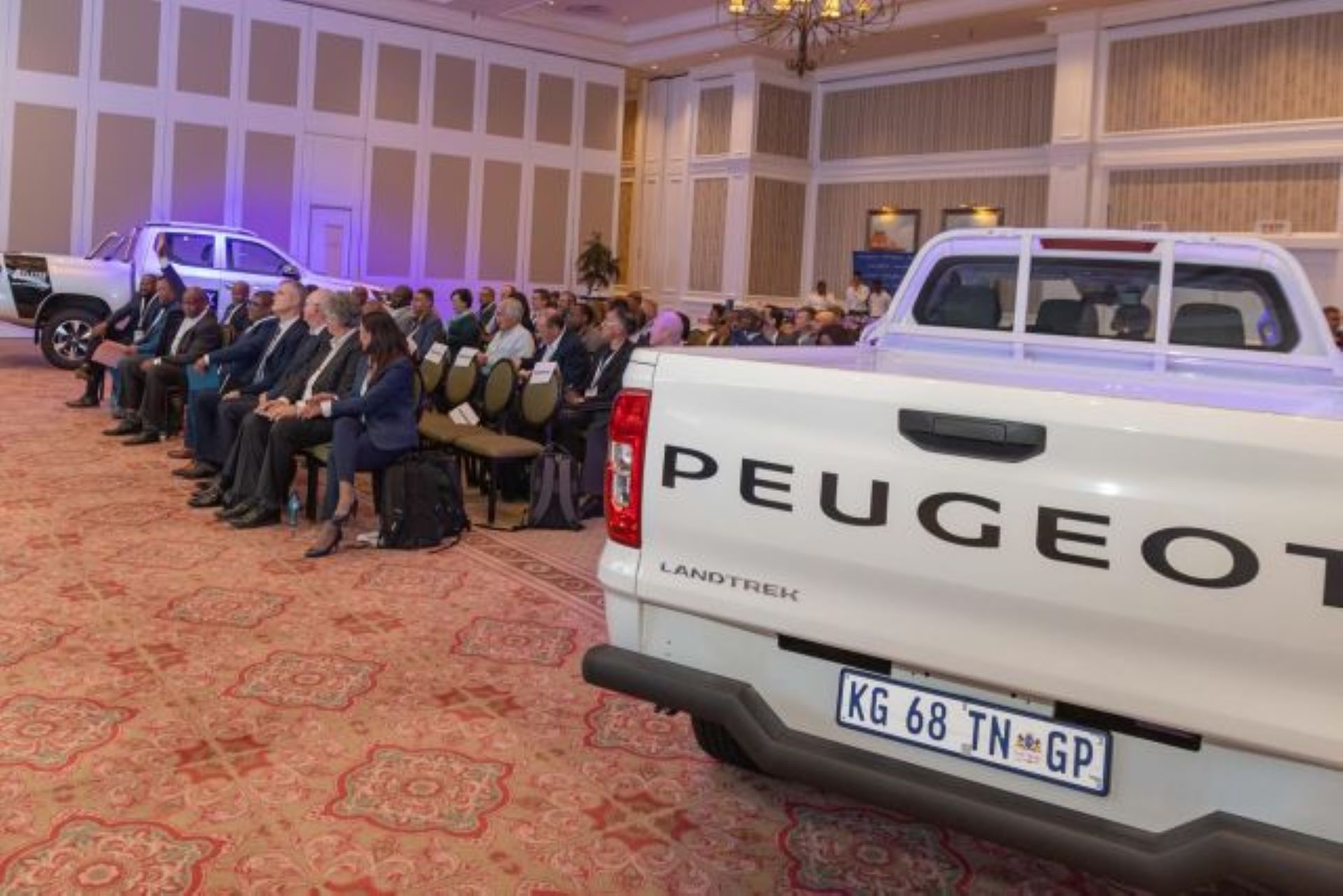
Fenner notes that the revised plan is progressing well. “The revised business case is currently being completed and will immediately be followed by the review and approval process by Stellantis, IDC, CDC and dtic. As a result, the revised start of production date is expected to be in 2027.” He confirms that the groundwork phase has already been completed.
The new timeline contrasts with earlier expectations when Stellantis announced a R3 billion investment for a facility meant to launch production by early 2026. It formed part of South Africa’s wider industrial strategy, including the African Continental Free Trade Area. At that time, the plant was projected to create significant employment and manufacture up to 50 000 vehicles a year, with scope to scale to 90 000.
From the start, the project has been celebrated as a strong example of collaboration between industry and government. With updated timelines now in place, Stellantis and its public sector partners continue to shape a manufacturing hub intended to support long term regional growth.