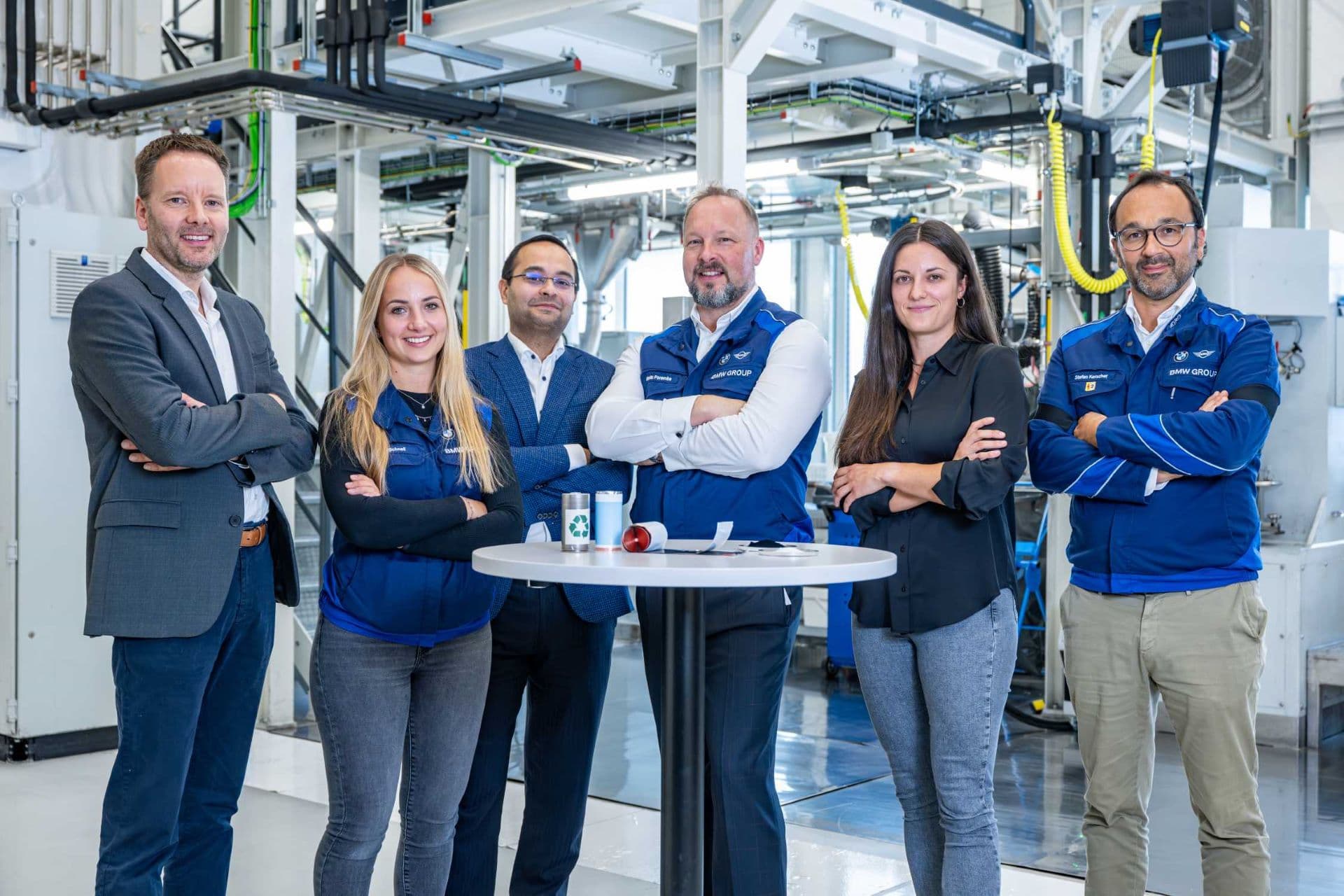
Germany has taken another significant step towards closing the loop on electric-vehicle battery production as the BMW Group, together with its circular-economy joint venture Encory GmbH, begins operating a new Cell Recycling Competence Centre in Salching.
The initiative marks a decisive shift towards mechanical “direct recycling”, a method designed to recover valuable raw materials from battery-cell production without the use of energy-intensive chemical or thermal treatments.
Instead of breaking cells down into their basic chemical components, the direct recycling process mechanically dismantles production scrap and entire unused battery cells, separating cathode from anode materials so they can be fed straight back into pilot cell manufacturing. This approach preserves more of the materials’ original structure, reduces energy consumption and emissions, and shortens the route back into the production cycle. Markus Fallböhmer, BMW’s senior vice-president for battery production, has stated that the technology positions the company at the forefront of sustainable battery manufacturing and offers considerable potential for further optimisation.
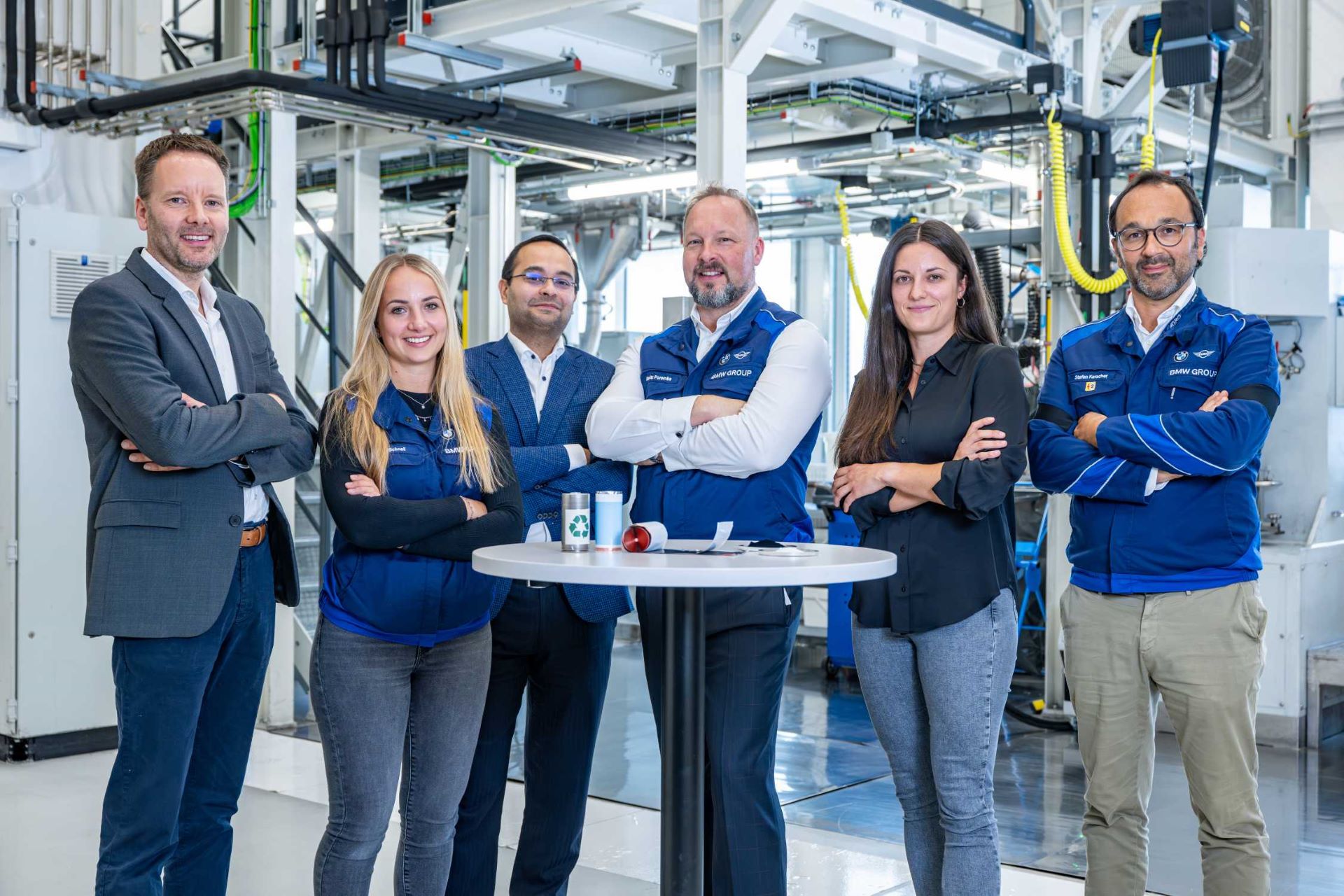
The Salching facility, located in a repurposed industrial building of roughly 2,100 square metres of production and warehouse space, also incorporates office areas and rooftop photovoltaic systems that contribute to its energy supply. Once fully scaled, it is expected to recycle material in the mid double-digit-tonne range each year, with estimates across sources indicating between 50 and 90 tonnes of material annually. The recovered active materials will be transferred to BMW’s Cell Manufacturing Competence Centre in Parsdorf, creating a tight regional loop that keeps transport distances short and strengthens Bavaria’s battery-technology cluster.
Encory, founded by BMW and Interzero, is responsible for constructing and operating the site, while BMW retains ownership of the intellectual property behind the mechanical-recycling process. Approximately 20 employees are expected to be based at the centre, contributing to logistics, dismantling and materials recovery operations.
With the rapid growth of electric mobility, the pressure to secure reliable supplies of critical battery materials is increasing. By focusing on direct recycling rather than traditional high-temperature or chemical methods, BMW and Encory are demonstrating that a more resource-efficient, regionally integrated circular economy is both feasible and commercially attractive. The Salching project stands as a practical example of how Europe’s automotive industry can reduce waste, lower emissions and maintain strategic control over essential raw materials at a time when sustainability and supply-chain resilience are more important than ever.