Black cars are becoming increasingly popular both internationally and locally, with South African buyers now mirroring global colour preferences.
According to Jetour South Africa’s sales of the new T-series, local customers are showing a bold shift towards darker tones. This echoes findings from global surveys, which reveal that colour is far more than a cosmetic choice — it is tied to identity, style, and even purchasing decisions.
A survey conducted by Axalta across the United States, China, Germany, and Mexico found that 88% of consumers consider colour a key factor when buying a car. Many even delay purchases or switch manufacturers if their preferred shade is unavailable. Similarly, BASF’s annual Colour Report shows that while white remains dominant globally, black has steadily gained ground. By 2025, one in four cars worldwide was black.
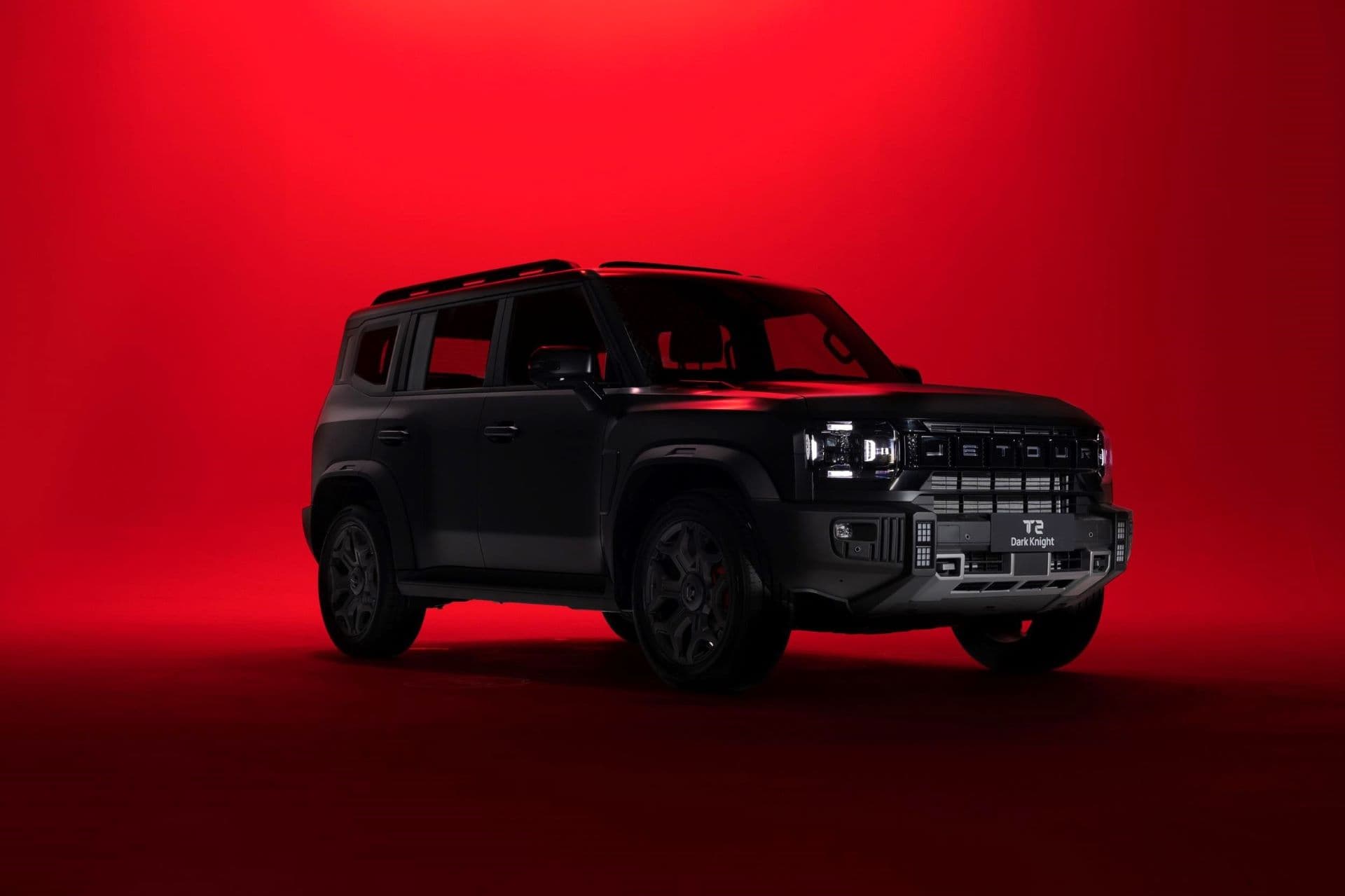
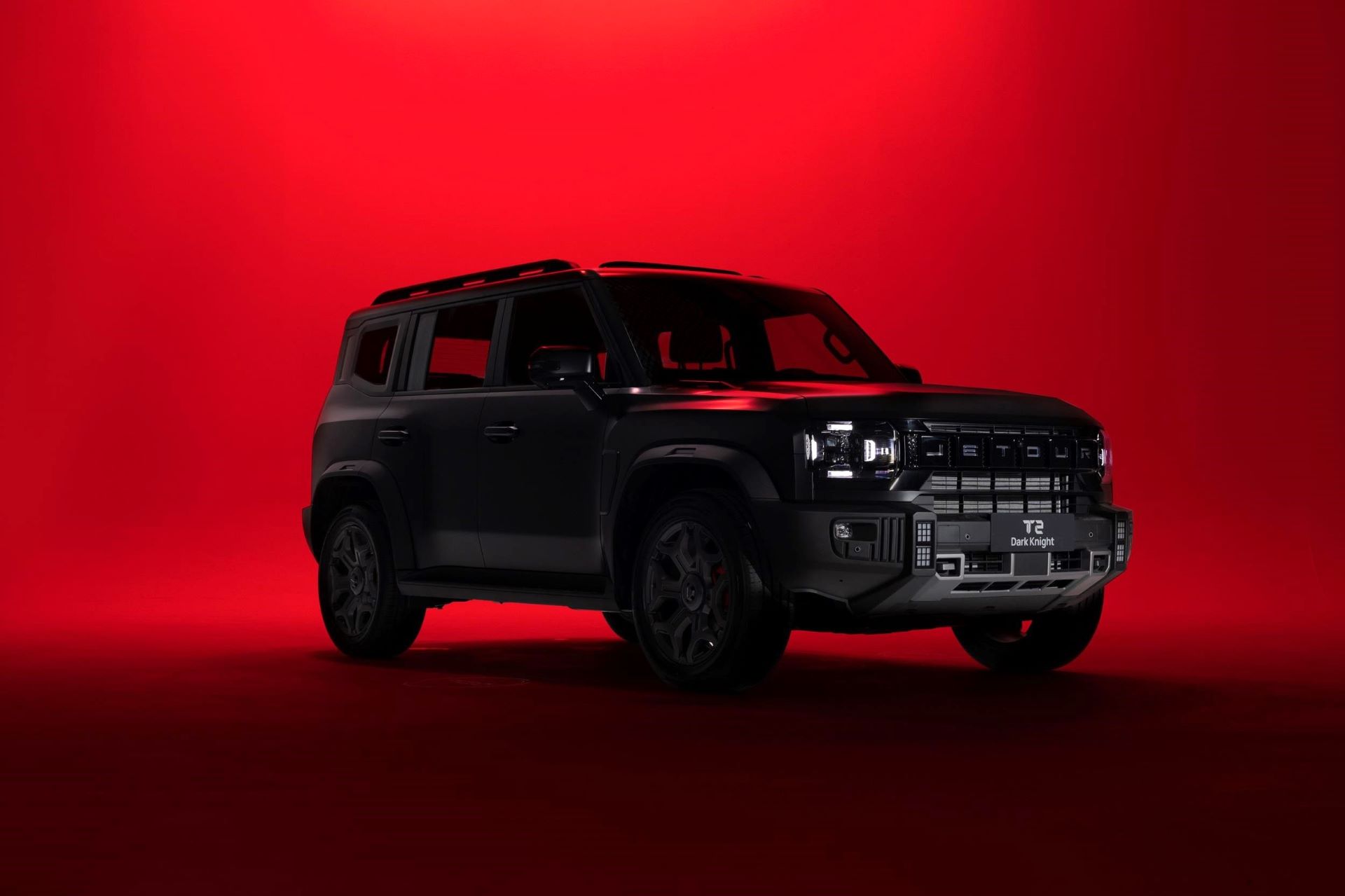
Locally, Jetour’s T2 has seen black emerge as the standout choice since its launch in October last year. Onyx Black accounts for 28% of sales, with the Dark Knight edition adding another 7%. Together, more than a third of all T2s on South African roads are black. Glacier White and silver tones follow closely, while the T1 reflects a slightly different balance, with Titan Silver leading, followed by Onyx Black and Glacier White.
Green is also rising globally as the fastest-growing non-neutral colour, a trend mirrored in South Africa where 15% of Jetour T2 buyers have opted for Aqua Green. Meanwhile, traditional favourites like blue and red are showing slight declines.
Black’s appeal lies in its timeless association with luxury and elegance. Globally, 73% of luxury vehicle buyers select black, valuing its versatility, resale strength, and compatibility with almost any interior trim. Jetour’s compact urban-styled T1 and rugged adventure-ready T2 both offer Onyx Black alongside Glacier White, Titan Silver, and Aqua Green, ensuring customers can align their choice with both global trends and personal style.
As Jetour’s sales demonstrate, black is no longer just a luxury statement — it is fast becoming the colour of choice for everyday drivers, reflecting a powerful global shift in automotive design and consumer preference.