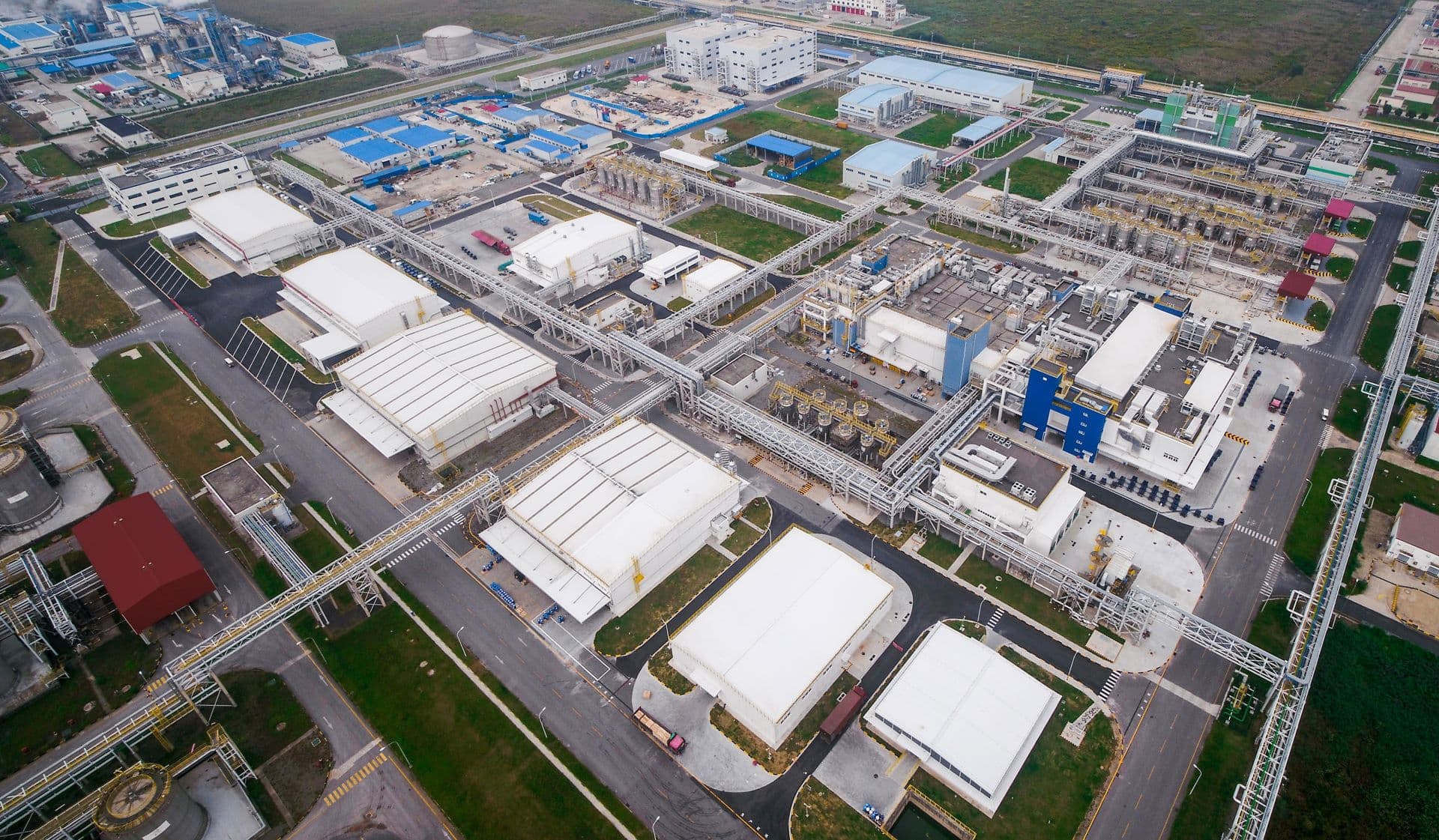
On 11 July, BASF Shanghai Coatings Minhang and Caojing sites in Shanghai, as well as BASF Coatings’ resin plant in Caojing, Shanghai, announced the use of 100% renewable energy across its operations in 2023. This moves BASF’s Coatings division one step closer to its global sustainability targets – on carbon reduction, material efficiency and safe and sustainable solutions. Through a combination of Renewable Direct Power Purchase (R-DPP), the purchase of I-REC international renewable energy certificate and other measures, it’s estimated that BASF Automotive OEM Coatings will reduce the equivalent of approximately 19,000 tons of carbon emissions in China by the end of 2023. “Sustainability is firmly anchored in our company strategy. We are proud to be one of the industry leaders to fully use renewable energy across our operations. It helps us to minimise the carbon footprint and further demonstrates BASF’s commitment to its net zero target. As a leading OEM coatings supplier in the automotive industry, we aim to meet the rapidly increasing sustainability expectations of our customers from OEMs and automotive component suppliers,” said Jack Zou, Vice President, Automotive OEM Coatings Asia Pacific, BASF.
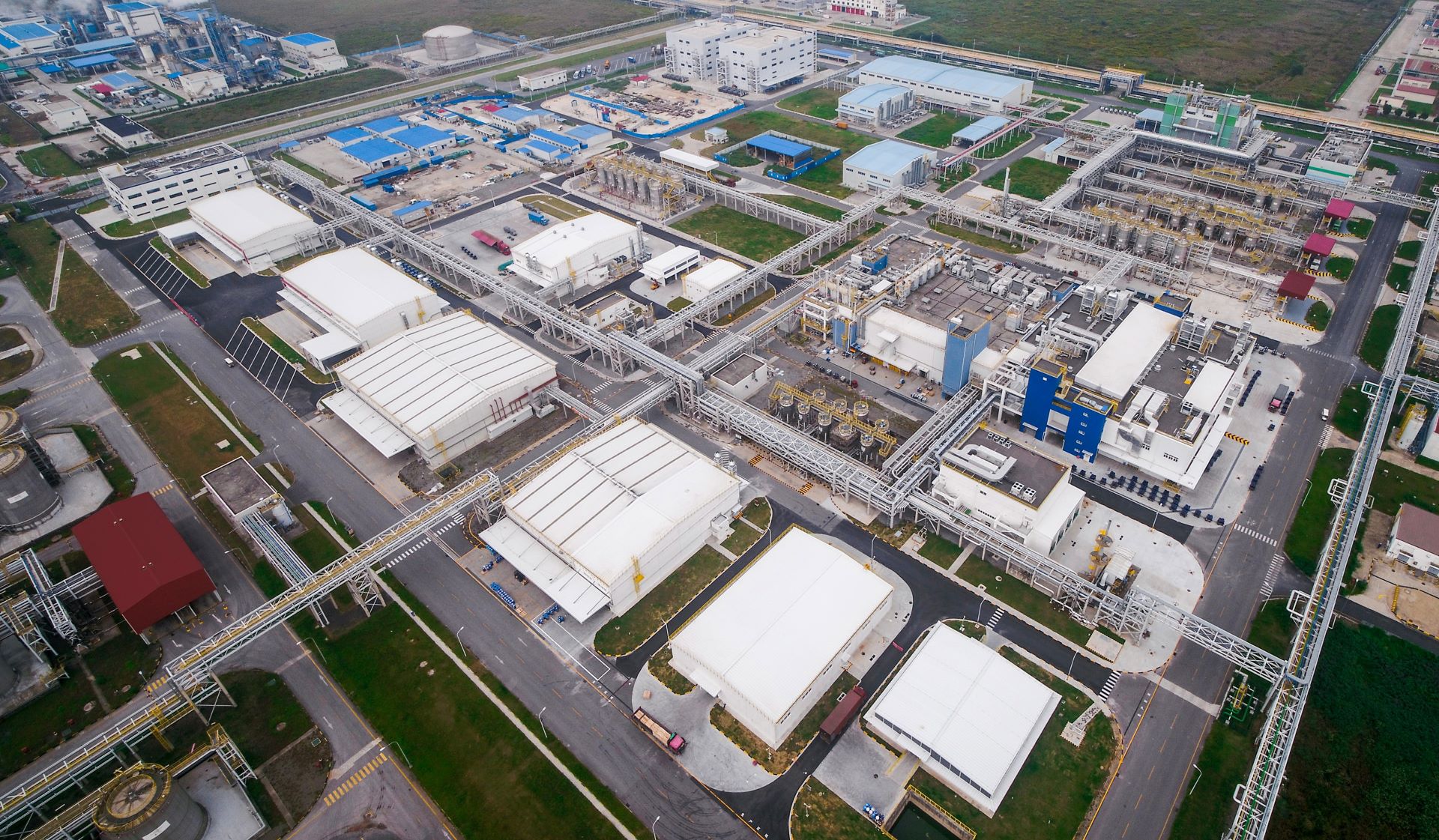
BASF’s climate goal is to reduce its CO2 emissions by 25 percent by 2030 compared to 2018 and achieve net zero CO2 emissions by 2050. Increasing the use of renewable energy at its sites – including the headquarters in Münster, Germany – is a good example of how BASF Coatings explores innovative technologies and solutions to reduce climate impact and helps its customers to reduce the carbon footprint across the entire value chain.