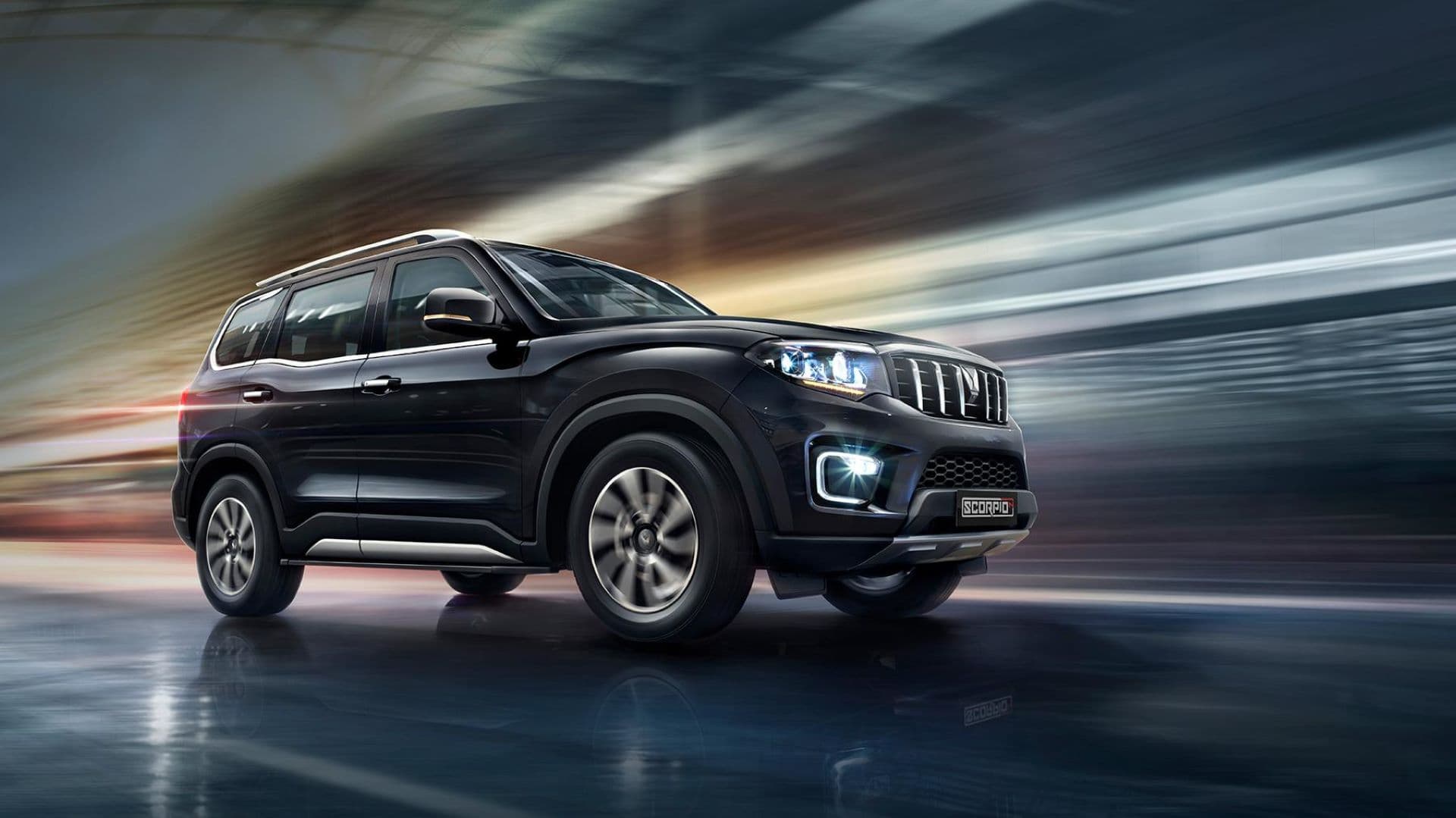
Australia’s fast-growing appetite for oversized American-style pick-ups (bakkies) has prompted ANCAP (Australasian New Car Assessment Program) to take a closer look at how these vehicles behave on the road — not just in a crash, but in their ability to avoid one.
Responding to community concern about the sheer size and mass of these utility vehicles, particularly in suburban streets and school zones, the safety authority recently conducted a comprehensive assessment of leading models to see how well their advanced driver-assistance systems (ADAS) mitigate the risks they pose to pedestrians, cyclists and smaller vehicles.
The comparison brought together some of the biggest names in the segment: Chevrolet Silverado 1500, RAM 1500, Toyota Land Cruiser 79 Series, Toyota Tundra and an updated Ford F-150. Instead of focusing on traditional crash tests, ANCAP examined the sophistication and performance of each vehicle’s crash-avoidance technology, applying international best-practice standards that go well beyond regulatory requirements. The results varied considerably. The updated Ford F-150 was the standout, achieving the highest score thanks to one of the most comprehensive and well-tuned ADAS packages in the class. The RAM 1500 followed, delivering solid performance across key systems. Toyota’s entries — the stalwart Land Cruiser 79 Series and the newer Tundra — were mixed, offering reasonable but not standout capability. The Silverado, meanwhile, lagged behind with a narrower and less effective safety feature set.
ANCAP says this comparison will help shape a new framework for evaluating large pick-ups, with additional testing — including physical crash protection — planned from 2026. The aim is not only to inform buyers but to push manufacturers toward safer design, recognising that large vehicles introduce unique dangers that smaller cars do not.
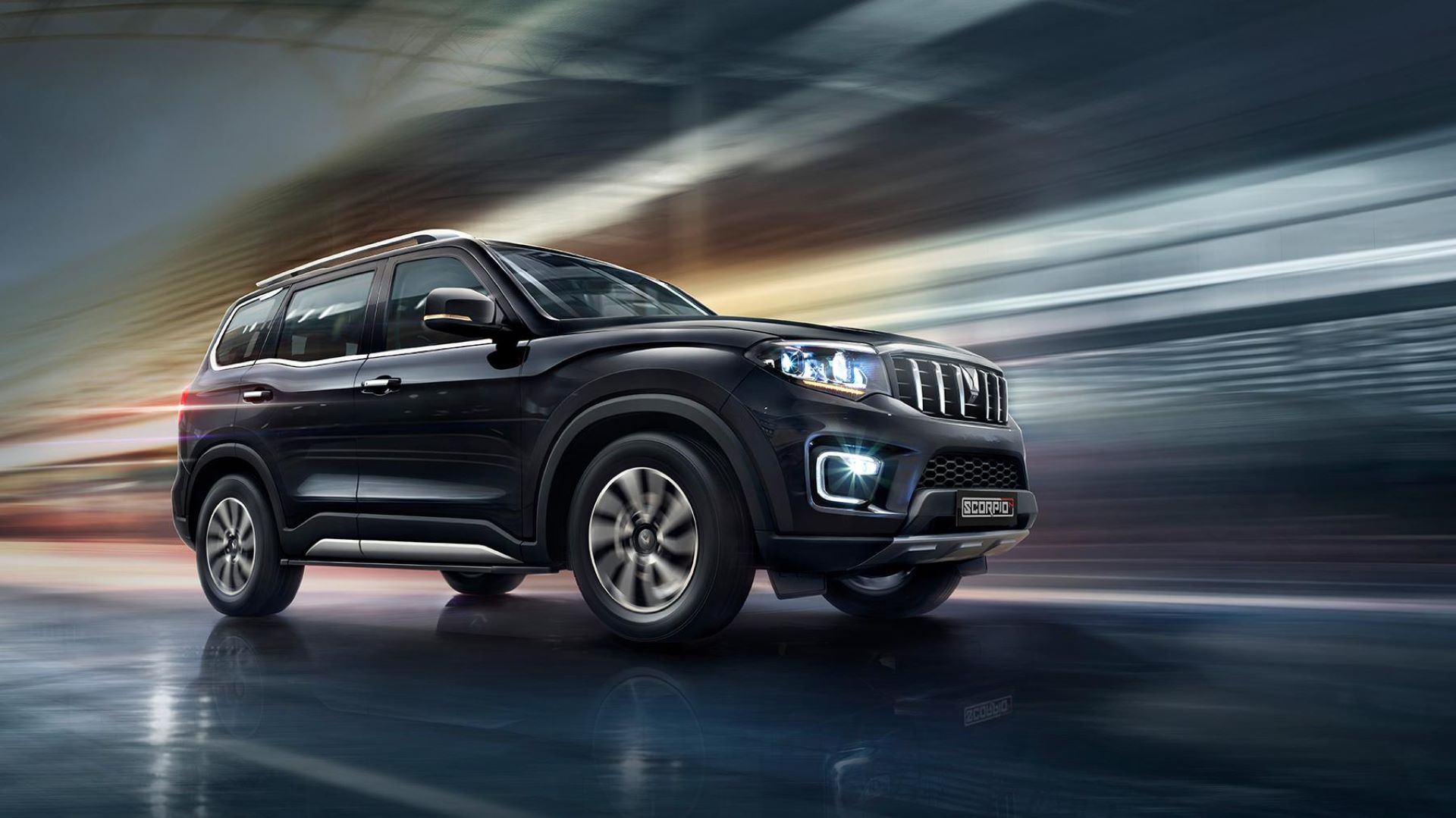
This growing emphasis on ADAS in safety ratings highlights a broader truth in the automotive world: crashworthiness alone no longer guarantees a strong result. Few cases illustrate this more clearly than the Mahindra Scorpio N. When tested by Global NCAP, the Scorpio N drew widespread applause for its strong structural performance and earned a glowing five-star adult occupant rating. Yet the same vehicle received a shocking zero stars from ANCAP. The contradiction puzzled many buyers, but the explanation lies squarely in how different NCAP bodies weight modern active safety.
Global NCAP — particularly in markets where the Scorpio N competes — still places primary emphasis on protecting occupants during a crash. ADAS systems matter, but they do not dominate the scoring. ANCAP, however, operates under a much broader, more demanding protocol where the absence of sophisticated driver-assistance technology can dramatically reduce the final rating, even if the vehicle is structurally sound. The Scorpio N simply did not offer the level of ADAS capability that ANCAP now expects as standard, and the system penalised it heavily.
The contrast underscores how vital ADAS has become in modern assessments. Technologies like autonomous emergency braking, pedestrian and cyclist detection, lane-keeping support and blind-spot monitoring are now considered essential, especially for tall, heavy vehicles that can cause catastrophic harm in a crash. As these systems grow more capable, they increasingly shape a vehicle’s overall safety reputation.
As ANCAP continues refining its approach to pick-ups, and as global protocols evolve, one thing is clear: the vehicles of the future won’t earn high safety scores through toughness alone. They will need intelligence — the sensors, cameras and software that help prevent a crash before it happens. And as the Scorpio N’s contrasting ratings demonstrate, modern safety isn’t just about surviving an impact; it’s about avoiding one in the first place.