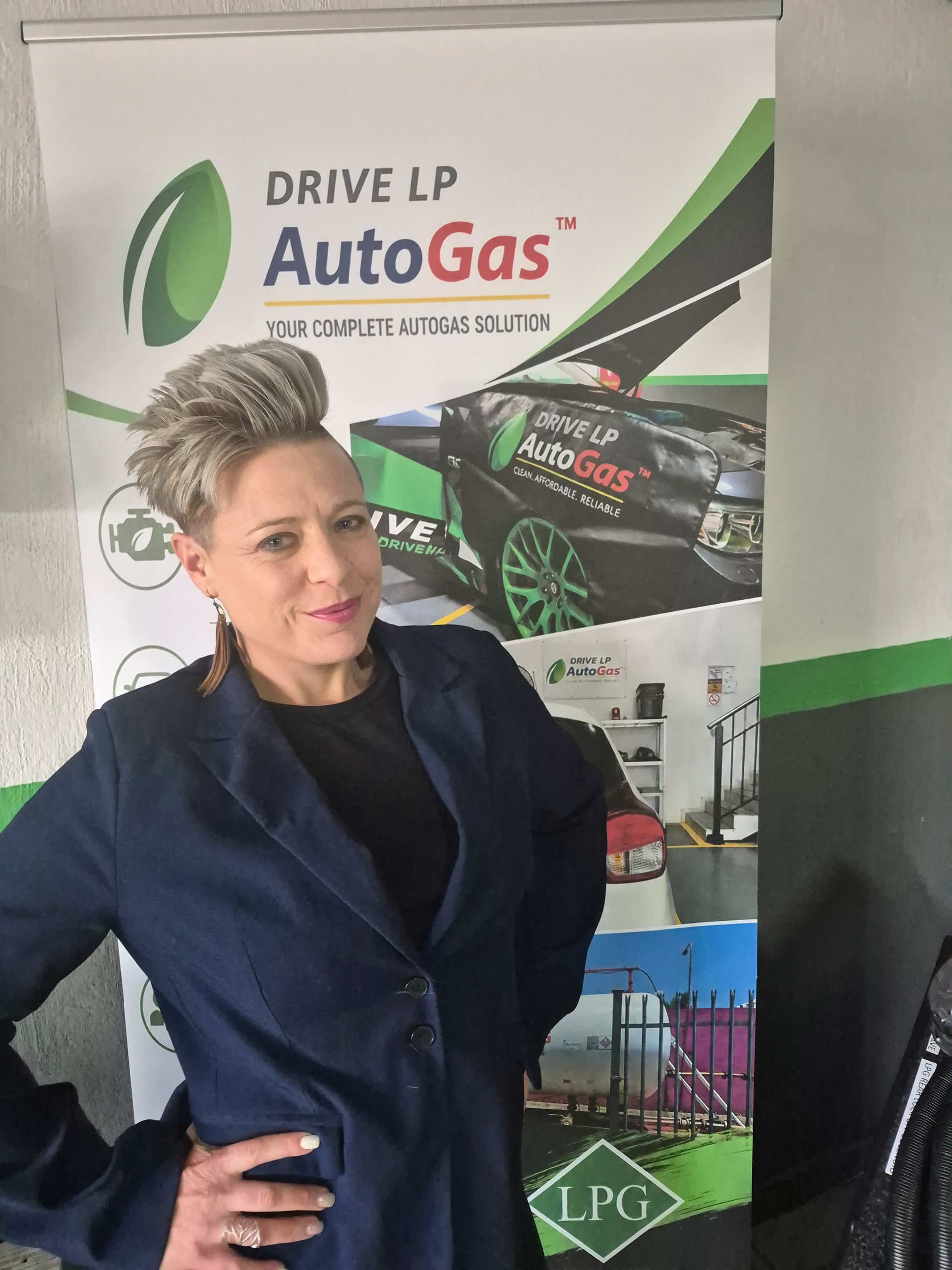
Dean Furman, South African innovation strategist and CEO of 1064 Degrees, delivered a fast paced, entertaining and often provocative session at the National Automobile Dealers’ Association’s (NADA) Connect 2026 conference, that challenged business leaders to rethink how they approach artificial intelligence.
Far from being a distant technological horizon, Furman argued that AI is already reshaping sales, marketing and strategy at a speed most companies have not caught up with.
“AI is not the future. It is the present, and for many of you, it is already the past,” he said, to a mixture of laughter and uncomfortable nods.
Furman’s central message was simple. Companies do not need advanced technical skills to get value from AI. What they need is curiosity, courage and the willingness to experiment.
“Even if you do not know what AI stands for, you can use it like an absolute legend,” he joked. He reminded the audience that people often underestimate themselves and overestimate the complexity of modern tools.
He encouraged leaders to ensure that every employee, from junior sales staff to executives, develops basic AI literacy. This is no longer optional. It is a competitive requirement.
One of the most striking moments in Furman’s talk was his demonstration of AI driven role play. ChatGPT acted as a customer, complete with objections, hesitations and specific product concerns. After Furman responded in real time, the AI evaluated his performance with candid precision.
It told him, “You are friendly and eager, but you leaned too heavily on broad claims. Back it up with specific facts.”
Furman explained that this level of personalised feedback, delivered instantly and consistently, is something even the best sales managers struggle to provide at scale. With AI, every salesperson can rehearse tough scenarios, refine messaging and dramatically improve closing skills.
Furman demonstrated how AI can assess marketing collateral with professional precision. He uploaded an advert and asked the system to critique it as a world class content strategist. The AI quickly dissected the weaknesses, scored multiple categories and produced a sharper version tailored for emotional impact.

“It is like having a marketing agency in your pocket,” Furman remarked. He highlighted that brands can refine brochures, social posts and website content in minutes instead of weeks.
Furman devoted part of his session to the new generation of “thinking modes”. These allow AI models to reason, solve multi step problems and approach challenges with structured logic rather than surface level text prediction.
He explained that models like Gemini, when placed in thinking mode, demonstrate intelligence comparable to Mensa level reasoning. “Why would you not call in something with a 150 IQ to help you? It is sitting there, waiting for you to use it,” he said.
Leaders, he argued, should already be using AI to support strategic planning, scenario modelling and operational optimisation.
Furman also cautioned the audience about data privacy. Many businesses unknowingly expose sensitive information when using free AI tools.
“If you do not switch off that ‘improve the model’ setting, you are basically giving them the right to use your information however they want,” he warned.
He emphasised the importance of enterprise grade tools and clear internal guidelines.
To Furman, the companies that win will be the ones that weave AI into every project, meeting and decision.
“The question should always be: how can AI help us in this?” he said. “Not occasionally, not once a quarter. Every single time.”
He closed with a message that was equal parts challenge and encouragement:
“You do not need permission. You just need to start.”