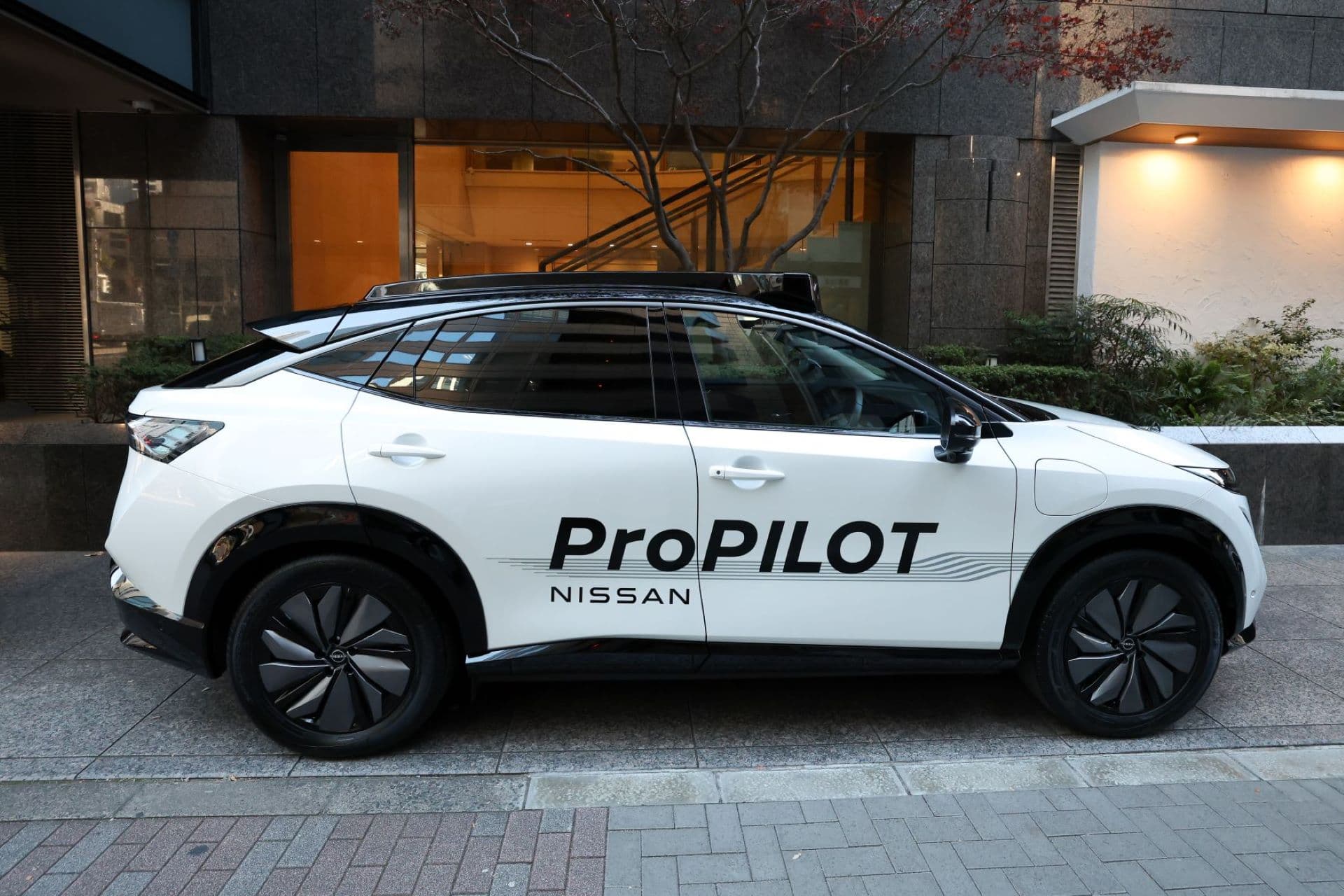
The automotive repair industry faces significant changes as Nissan becomes the first manufacturer to commit to mass-producing vehicles with advanced embodied AI driver assistance, following definitive agreements with British AI firm Wayve to deploy next-generation technology across its model range from 2027.
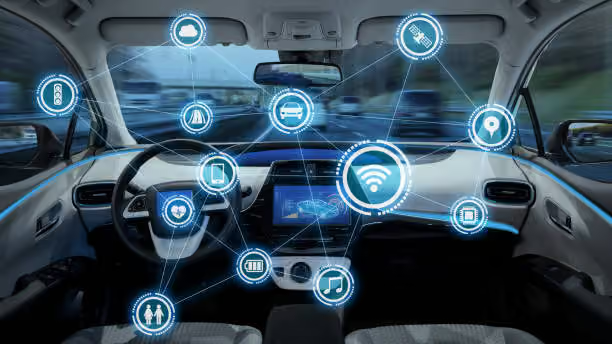
The integration of Wayve AI Driver with Nissan's ProPILOT systems introduces a new generation of sensor-heavy vehicles combining cameras, radar and next-generation LiDAR technology. This multi-sensor approach, working alongside Nissan's Ground Truth Perception systems, will require workshops to invest in diagnostic equipment and technician training to service these sophisticated assistance features.
Unlike traditional driver assistance systems that rely on pre-programmed rules, Wayve's embodied AI learns and adapts through real-world driving data. This continuous learning capability means the software can improve over time, but it also introduces new complexities for repair facilities dealing with software updates, sensor calibration and system diagnostics.
The technology will debut in Japan during fiscal year 2027 before rolling out to North America and other markets, giving repair businesses time to prepare. However, the scale of Nissan's commitment, deploying AI systems across a broad range of vehicle segments from compact models to larger vehicles, suggests workshops will need to adapt quickly once production begins.
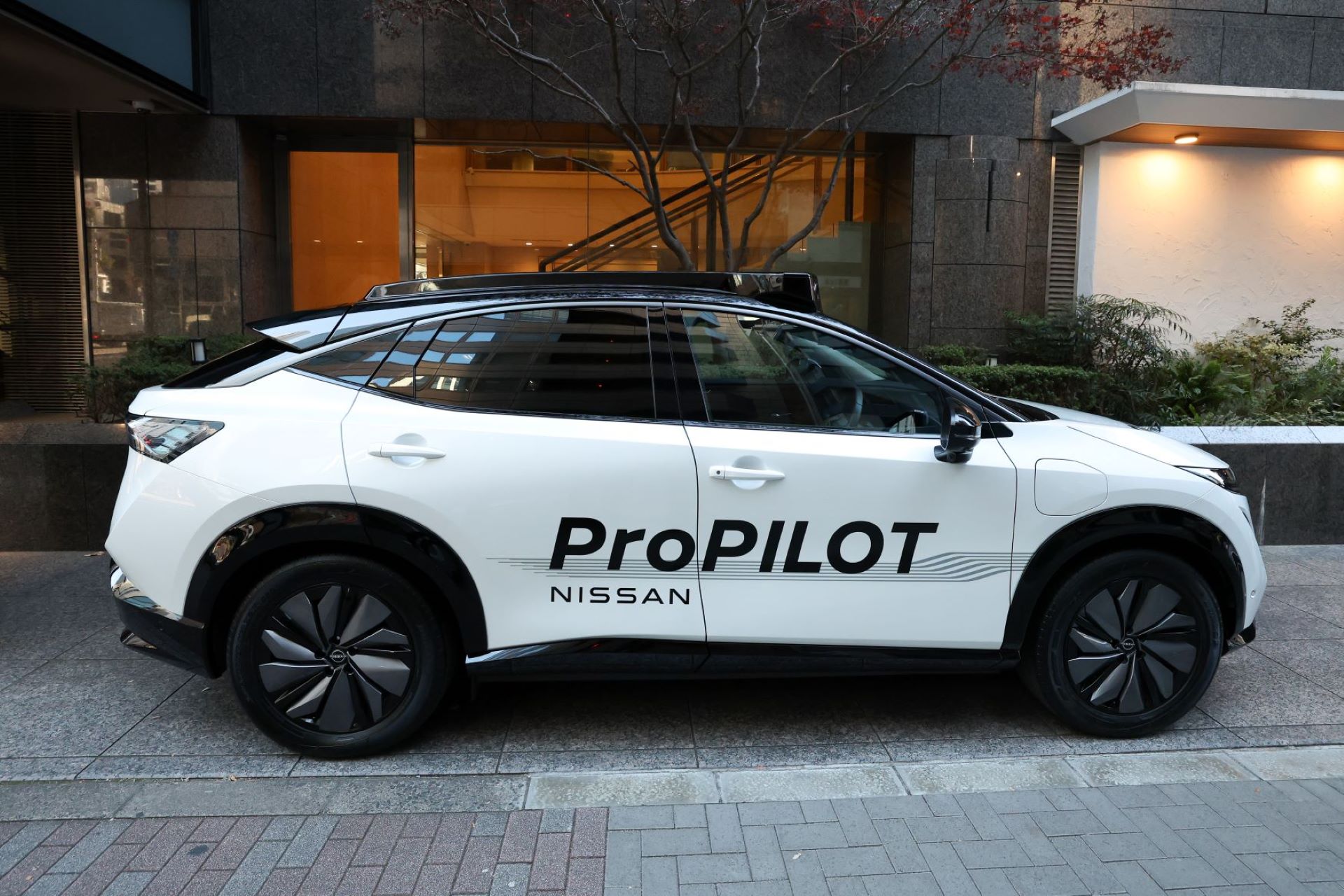
ProPILOT has been available since 2016, with the 2.0 version from 2019 adding multi-lane and hands-off capabilities. Many workshops have already adapted to servicing these earlier systems, but the AI-powered generation represents a substantial technological leap requiring fresh investment in equipment and expertise.
Ivan Espinosa, President and CEO of Nissan Motor Co, Ltd, said the partnership would "deliver safer, more intuitive and more comfortable driving experiences to customers worldwide" whilst accelerating the transition towards an intelligent mobility future.
Alex Kendall, Co-founder and CEO of Wayve, praised Nissan for leading the way among global carmakers by bringing embodied AI towards mass production, adding that the partnership would make next-generation intelligent driving technology accessible to customers worldwide.
The deployment timeline provides the repair industry with a window to develop the capabilities needed for this new generation of intelligent vehicles.