US-based solutions provider Ascential Technologies says that repairers who deliver a car with uncalibrated ADAS equipment that later crashes could be exposed to lawsuits, warning that lawyers are using repair records to see if all manufacturer procedures were completed following the initial repair.
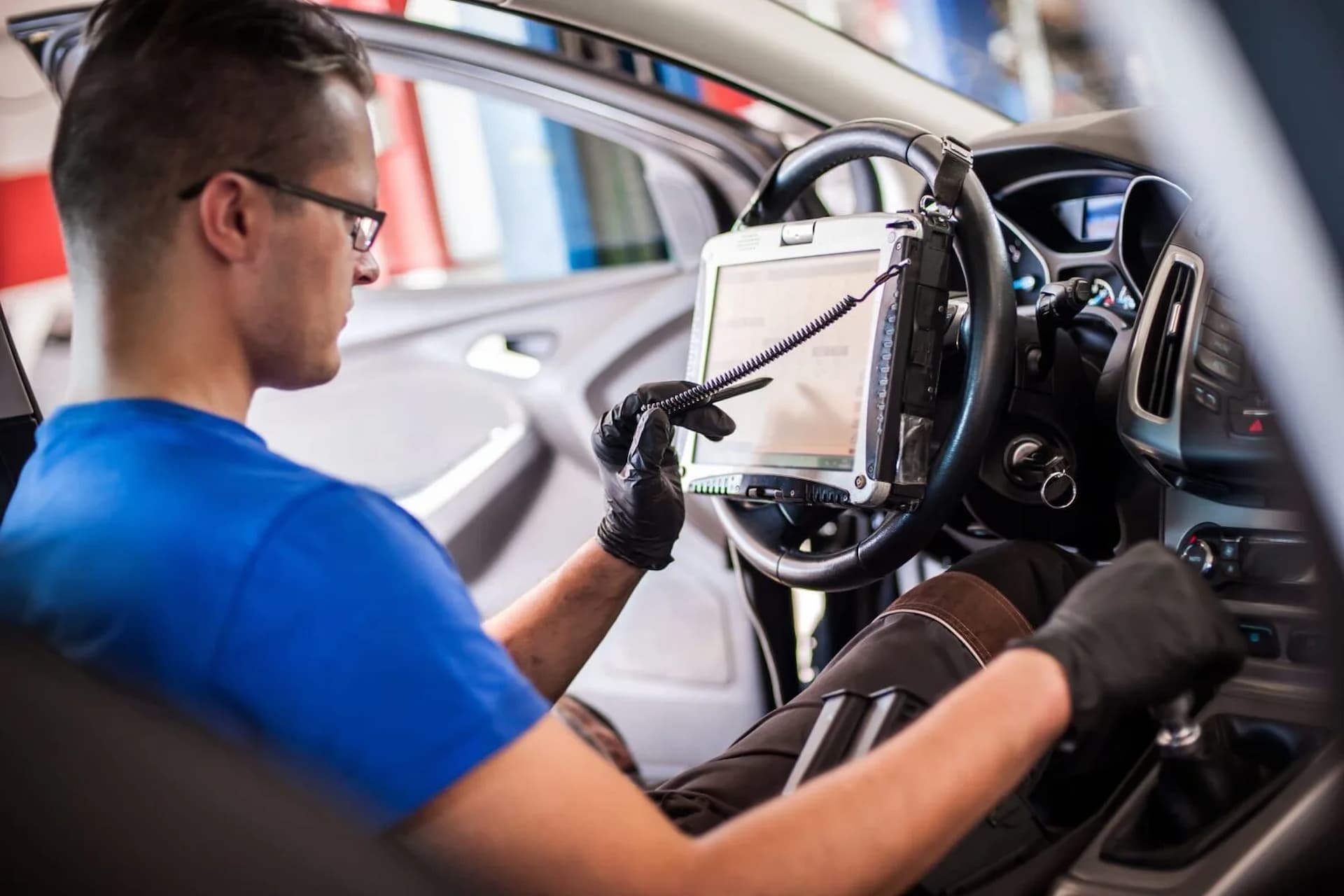
There’s also an increasing push for pre- and post-repair scans of vehicle computer systems that might indicate a calibration issue.
Ascential made the claim in its white paper, ‘The Importance Of ADAS Calibration For Collision Prevention And Road Safety’, which evaluated the effect of various calibration methods on the performance of a 2024 Nissan Altima sedan.
The company acknowledged that following ADAS procedures causes a major change in collision repair workflows by adding time and cost, but said the consensus is that it is “absolutely necessary”.
“Modern cars simply cannot be considered fully repaired until all ADAS sensors are verified,” said Ascential. “One way to put it – neglecting ADAS calibration is equivalent to leaving the lug nuts loose on a wheel. It’s a critical safety step.”
The company also emphasised that precision is required when recalibrating, saying even the smallest misalignment of equipment could leave repairers liable if a system fails.
“ADAS sensors are finely tuned devices and even a slight misalignment can throw them off. Industry experts note that if a sensor’s aim is off by just one degree or a few millimetres, the error is magnified at a distance where the sensor could be looking several feet off target by the time it’s 50-plus feet [15-plus metres] down the road,” the report said.
“In practical terms, a one-degree misalignment can render an entire ADAS system ineffective and dangerous. For example, a forward camera that’s a hair off may “see” the road incorrectly, missing lane markings or vehicles that are actually in its path.”
While collisions are a major cause of sensor misalignment, Ascential said even a minor bump can knock cameras or radar sensors out of position, and normal maintenance can also affect calibration. “Something as routine as a windshield replacement (for vehicles with cameras mounted at the windshield) or a suspension / wheel alignment (for vehicles with steering angle sensors and radars) will disturb ADAS sensor orientation,” the company said.
“After a vehicle is involved in a collision – even a minor one – recalibrating ADAS components is not just recommended, it is essential. The vehicle has absorbed forces that almost certainly shifted sensor positions or damaged their mounts, and repairs themselves – panel replacements, new windshields, etc – often disturb the sensors. Failing to recalibrate after an accident repair can leave the driver with a false sense of security or a system that doesn’t work when it’s needed most.”
According to Ascential, an IIHS survey of drivers with ADAS-equipped cars found that around 75 per cent of drivers who had repairs due to crash damage reported problems with their ADAS at a later date. Similarly, about 66 per cent of drivers who had a windscreen replaced and the camera reinstalled experienced post-repair issues. Some respondents had to return multiple times to have the systems fixed.
While calibration often incurs additional charges, Ascential said most comprehensive insurance policies cover the cost, though some insurers require proof of calibration – invoices or scan tool print-outs – for reimbursement.
“From an insurance industry perspective, paying a few hundred dollars for a proper calibration is trivial compared to the cost of a potential severe accident claim if the system fails. Thus, insurers are becoming key allies in pushing for proper ADAS service,” said Ascential.