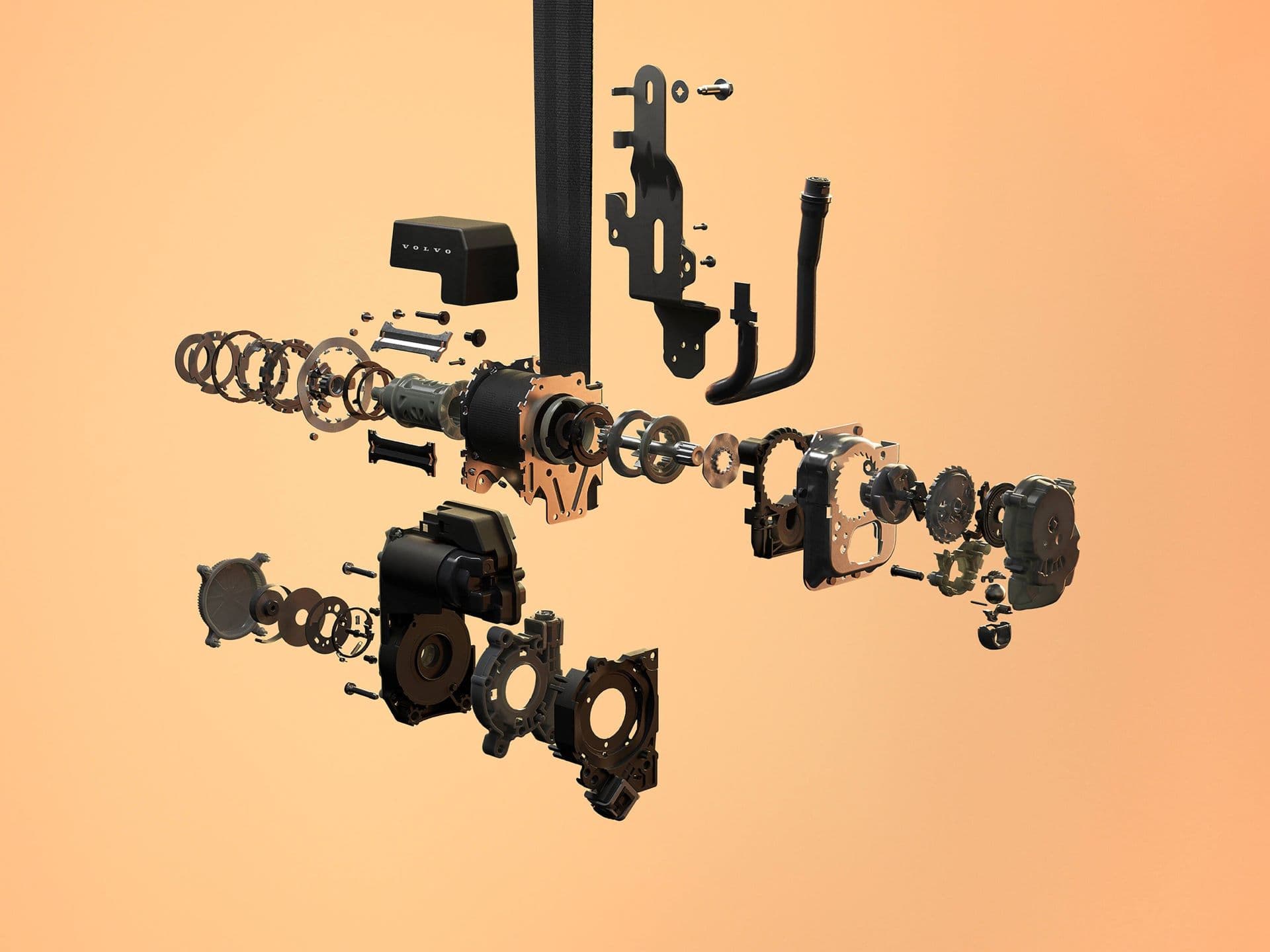
Volvo Cars’ new multi-adaptive safety belt, recently named by TIME magazine as one of 2025’s Best Inventions, represents a major step forward in intelligent occupant protection systems. The innovation will premiere in the upcoming fully electric EX60 SUV.
Building on the legacy of Nils Bohlin’s 1959 three-point seatbelt, Volvo’s latest development integrates complex data from multiple sensor networks. The system analyses occupant characteristics such as height, body mass and seating position, along with vehicle dynamics and external conditions, to deliver optimised belt performance in real time.
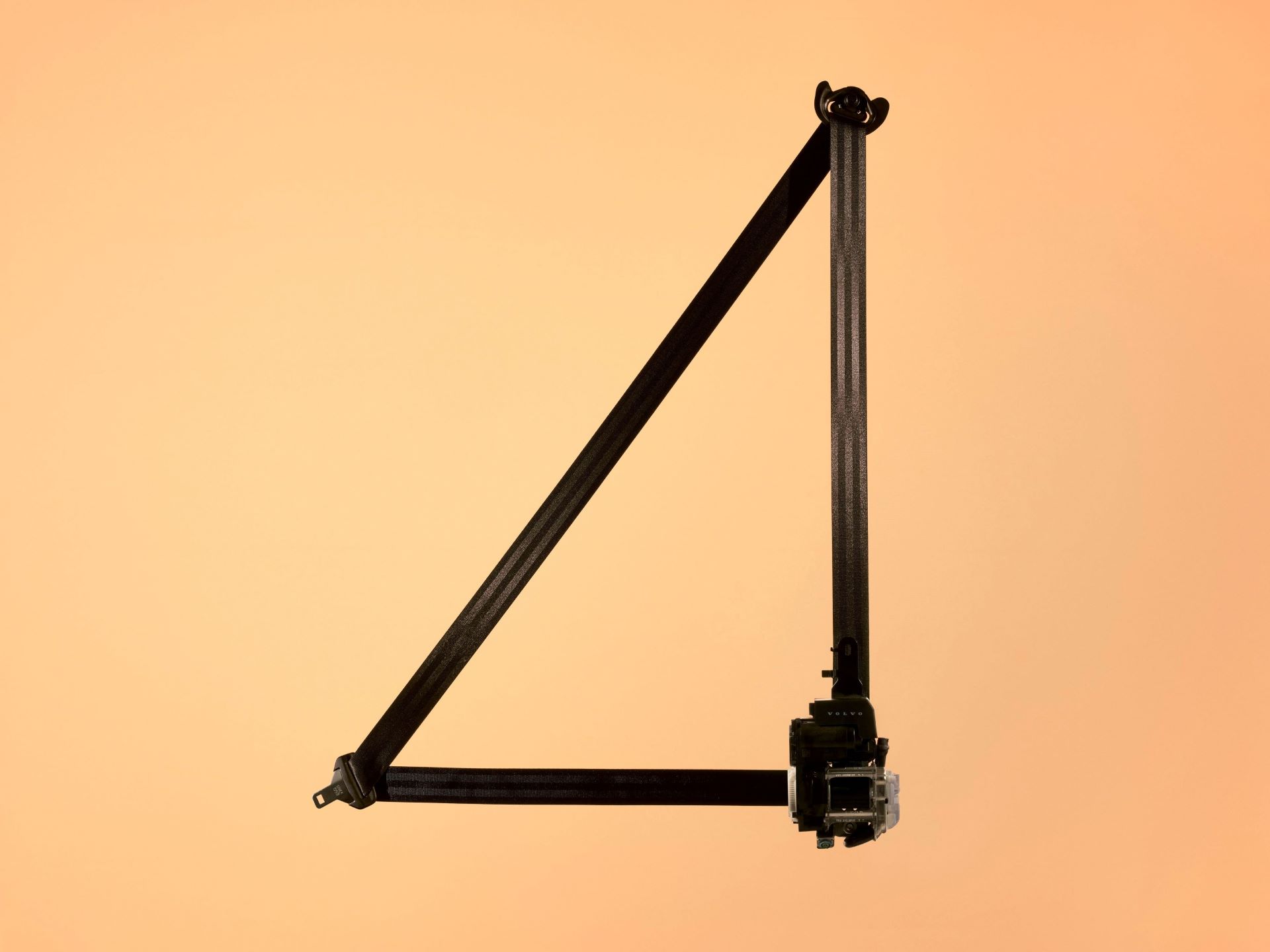
In practical terms, the adaptive load management adjusts the restraint force depending on the severity of the impact and the individual profile of each occupant. For instance, a heavier person in a high-energy crash receives greater tension, while a smaller person in a low-impact collision experiences a softer load, helping to reduce rib and soft tissue injuries.
Volvo engineers designed the system architecture to evolve through continuous software updates. Machine learning enables the vehicle to refine response algorithms as more crash and behaviour data become available.
The new system underscores Volvo’s commitment to blending hardware engineering with predictive data modelling to enhance real-world safety. It will make its debut on the EX60 during a global online launch from Stockholm in January 2026.
Staff Writer
Reporting from the front lines of the collision repair industry, delivering expert analysis and the technical updates that drive the African automotive sector forward.
More From News

Tiny Car Accessories, Serious Crash Risks
Decorative steering wheel accessories may appear harmless, but safety warnings and medical reports show they can become dangerous projectiles during airbag deployment, causing severe injuries in crashes.

South Africa’s AutoGas Sector Moves Into Focus With First Dedicated Industry Workshop
South Africa's first dedicated AutoGas Workshop will bring together industry stakeholders, technical professionals and fleet operators to explore the opportunities and challenges of LPG as a cleaner transport fuel.

Rising Vehicle Technology is Changing the Repair Landscape in South Africa
South Africa’s vehicle repair sector is facing increasing complexity as advanced driver assistance systems and digital technologies become standard across the car parc, reshaping workshop requirements and repair processes.

EU Backs Tougher Circular Economy Rules for Cars
The European Parliament has approved new circular economy regulations that will require vehicle manufacturers to improve recyclability, increase recycled material use and strengthen end-of-life vehicle responsibility.

Young Hyundai Technician Plays Key Role in Building Commercial Vehicles
Hyundai Automotive South Africa assembly technician Kwanele Sibisi has contributed to the production of more than 2,000 commercial vehicles, demonstrating the skill and dedication required in modern vehicle manufacturing.

PPG Extends WorldSkills Europe Partnership to Back Car Painting Talent
PPG has renewed its partnership with WorldSkills Europe for a further two years, reinforcing its commitment to vocational training and supporting the next generation of automotive refinishing professionals.