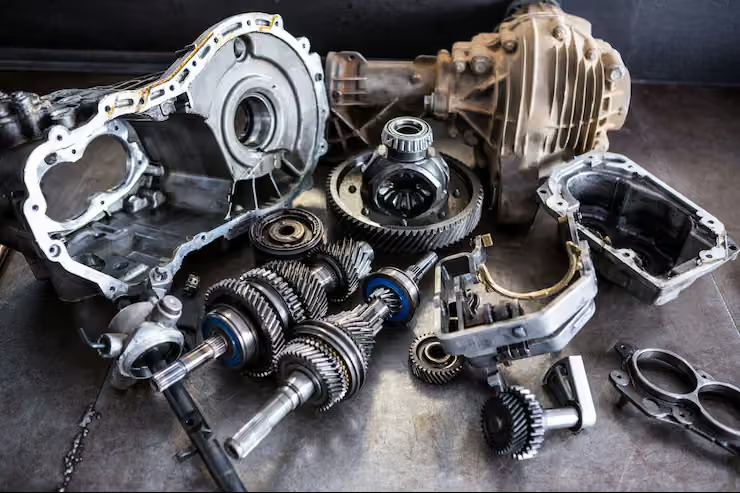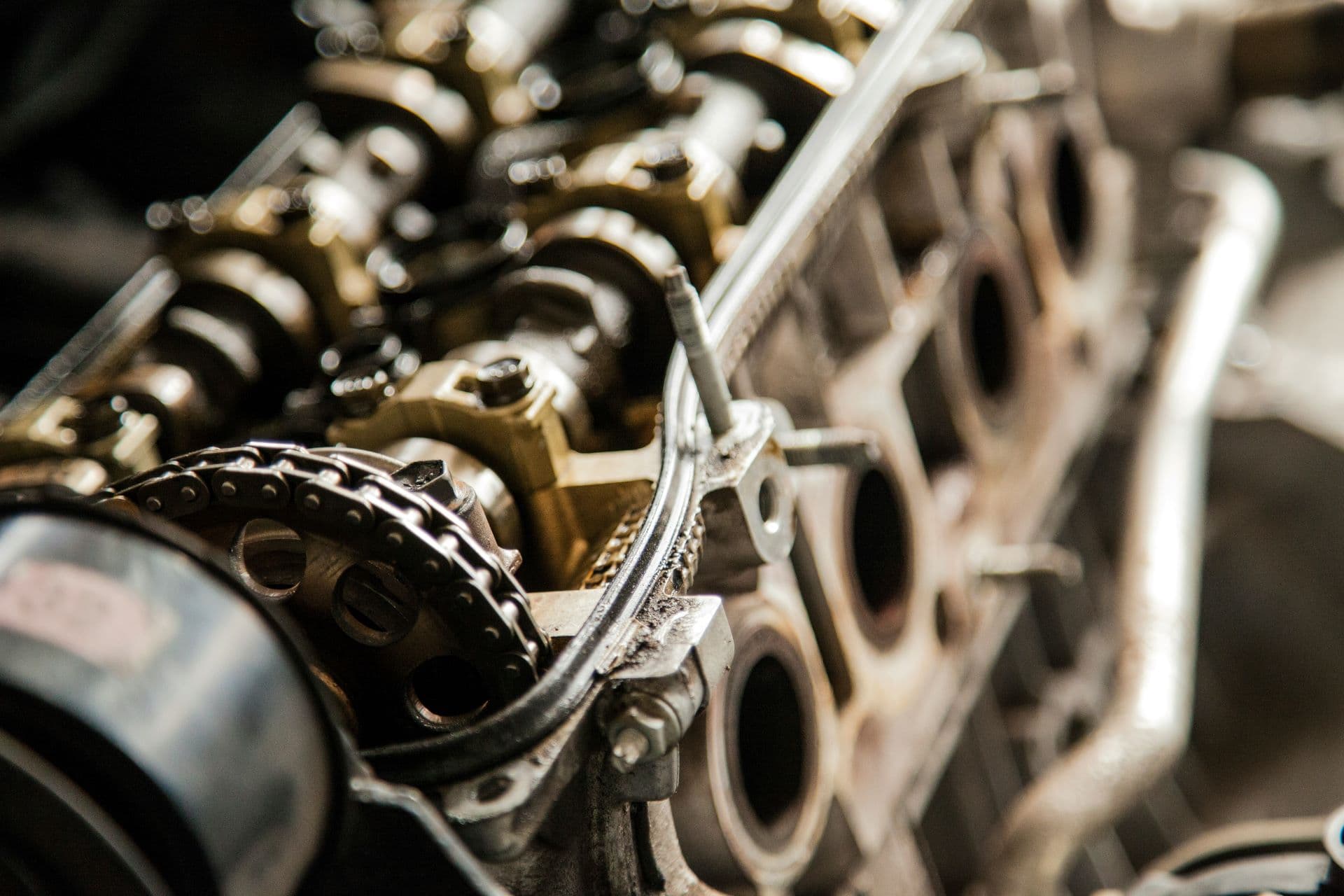
The Automotive Recyclers’ Association (ARA) in the US has released the results of a groundbreaking research study conducted at Worcester Polytechnic Institute (WPI) that documents the significant greenhouse gas emissions saved when utilizing Recycled Original Equipment Manufactured (ROE) automotive parts.
The study adds facts to the discussion of what professional automotive recyclers have known for decades – using recycled parts for repairs has proven to be a good economical decision as well as good for our environment. Starting in 2023 and conducted throughout 2024, WPI researchers focused on 10 of the most common automotive parts from three classes of vehicles: a sedan, an SUV, and a pick-up truck. The following parts were analyzed: engine, transmission, front bumper, headlight, front door, wheel, fender, tailgate, hood, and door mirror. Using detailed compositions of these specific parts, researchers quantified the energy required to manufacture the parts and the greenhouse gas emissions associated with generating that energy.
“We are thrilled to release the results of this year-long study to the public,” said ARA Executive Director, Vince Edivan. “ARA members know the impact their businesses have on the environment through their day-to-day operations. ARA’s Certified Automotive Recycler (CAR) Program places great emphasis on processing end-of-life vehicles in an environmentally responsible manner. This is something our members take great pride in. Now we have quantifiable data to illustrate just how big of an environmental impact automotive recyclers have.” To review the entire report, methodology and specific greenhouse gas emissions saved for 30 specific automotive parts when using a Recycled OEM part instead of a new part, please click here