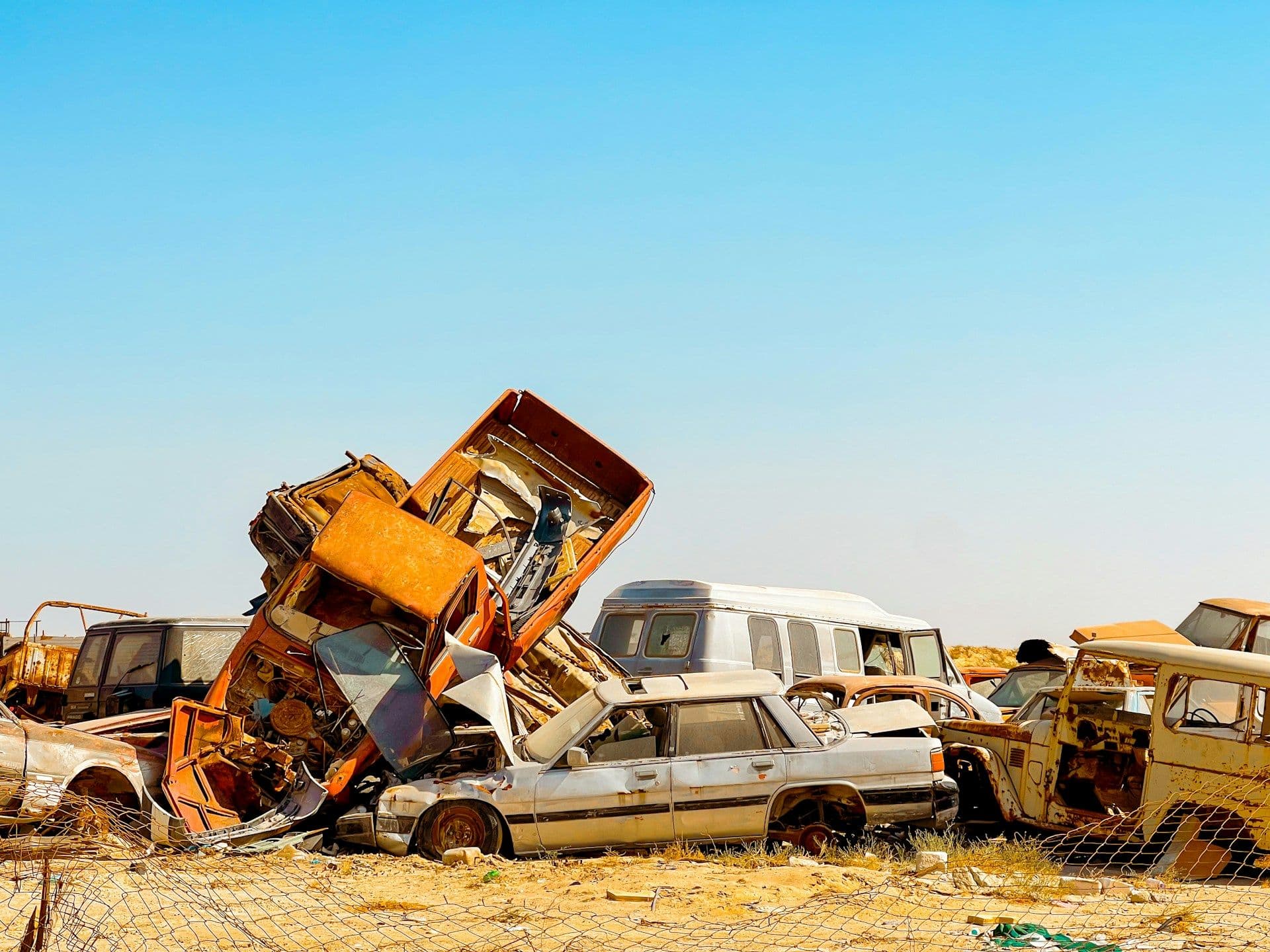
The South African automotive sector is renewing its call for a transformative change: a fully transparent, cradle-to-grave vehicle history system. The lack of such a system is hampering efforts to improve safety, consumer confidence, and accountability across the automotive value chain with many sources labelling the used-car market ‘a disaster in South Africa’.
For years, the South African Motor Body Repairers’ Association (SAMBRA), an affiliate of the Retail Motor Industry Organisation (RMI), has championed the implementation of a comprehensive and accessible Vehicle Salvage Database (VSD). SAMBRA has argued that this information should be available to consumers, dealers, banks, and repairers and not just the insurance sector. According to Juan Hanekom, national director of SAMBRA, "Addressing this issue requires a holistic approach. Legislation that defines vehicle code statuses and integrates them into the existing eNaTIS system is the key to unlocking a transparent vehicle history database accessible to all stakeholders."
Under the current system, which relies on the South African Insurance Industry Association Vin Look-up Tool, some good progress has been made but it only scratches the surface and unfortunately does not address the full magnitude of the problem. “Many cars classified as Code 2 (Used) in eNaTIS records may have been involved in severe accidents or declared uneconomical to repair by the relevant insurer, and are still being marketed through online platforms, deceiving consumers and creating safety risks,” he explains.

Hanekom says the reality is that our current testing regime is not comprehensive enough. Julian Pillay, National Director of the Vehicle Testing Association (VTA), agrees saying that even a roadworthy check is not a comprehensive safeguard. “We only check for visible signs of damage, but if sub-standard repairs to a car is well concealed, it is difficult to detect accident damage within the scope and equipment constraints of a roadworthy inspection. The 174 printouts which help correlate the information physically from the vehicle (engine and chassis number) from NaTIS also do not include the status Code of the vehicle so we can only look for things like jig marks, gaps in body panel adjustment, evidence of welding and repairs by heating, among others,” says Pillay.
In the past SAMBRA has recommended rethinking vehicles codes based on the extent of the damage. For instance Code A: Irreparable; must be crushed; Code B: Non-repairable body but with salvageable parts and Code N: Non-structural damage; can be repaired to a roadworthy condition.
“The infrastructure for such a system already exists in South Africa. We simply need to legislate the codes,” he says. This approach would ensure vital vehicle information is available at every stage of the value chain, preventing poorly repaired, written-off vehicles from being resold or refinanced without proper disclosure.
Over the coming months, SAMBRA plans to continue its engagement with stakeholders to bring this vision to life. 2025 is the year for South Africa to adopt a system that protects its consumers and strengthens the automotive industry.