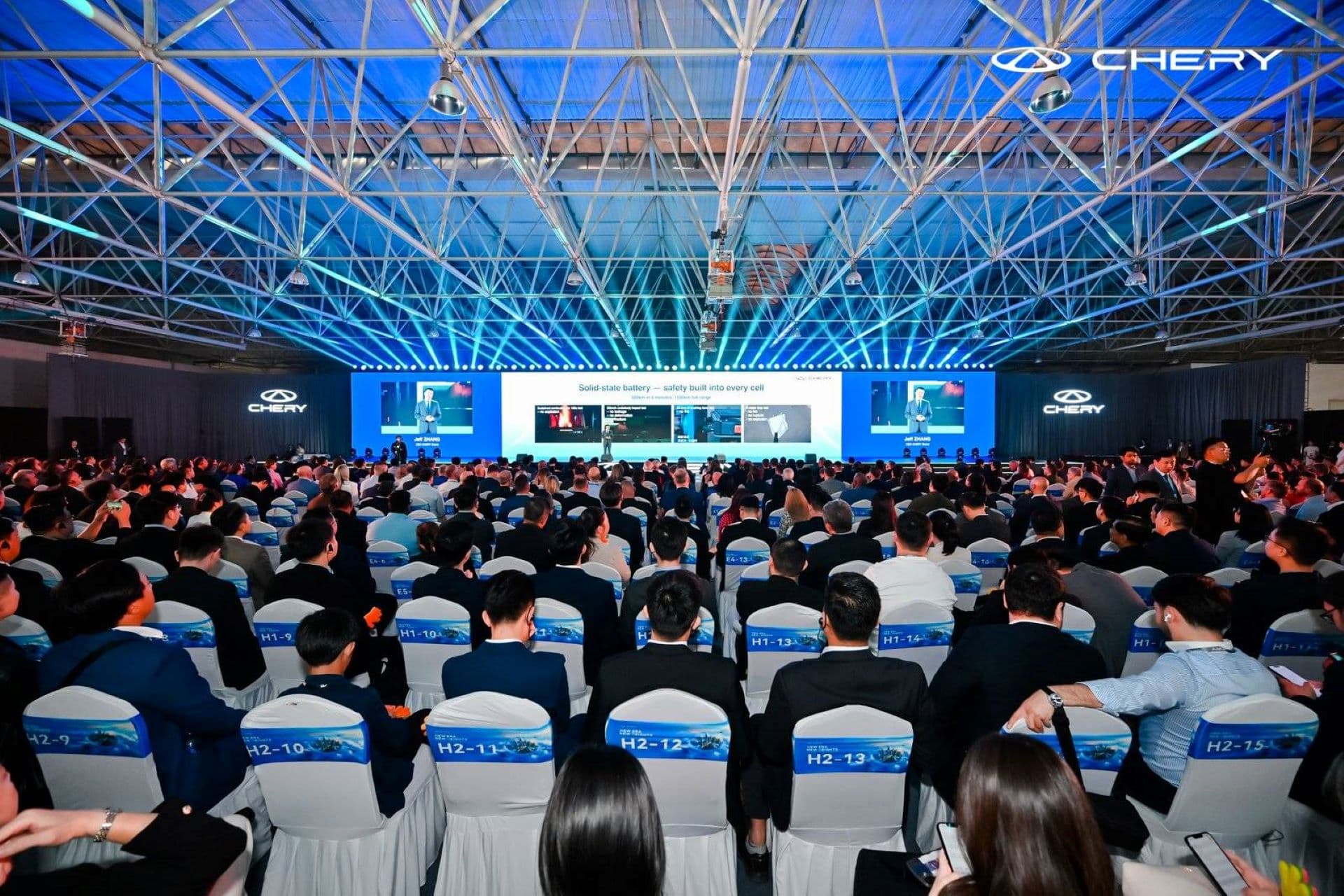
It happened gradually, then all at once. South African motorists, squeezed by tight budgets and lured by competitive pricing, have been voting with their wallets — and increasingly, their choice is Chinese. Here is why that shift is only getting bigger.
If you ever doubted that a new dawn has arrived for the South African automotive landscape, just look at the statistics. Consumers are increasingly spending their money on Chinese brands rather than the traditional legacy names. Well, at least most of them.
The Chery Group, with Chery, Omoda, Jaecoo, Jetour, iCaur and Lepas under its umbrella, achieved total sales of 6 649 units in April, placing it second behind Toyota’s 10 188 vehicles. Chery also outpaced Suzuki in third place with 5 363 units sold, and Volkswagen Group Africa with 4 814 units.
Two new entrants, iCaur and Lepas, also part of the Chery Group, have not yet registered their sales. Once they do, they will undoubtedly give Chery’s local volume drive an even stronger push and a another ultra luxury brand form Chery under consideration for our local market.
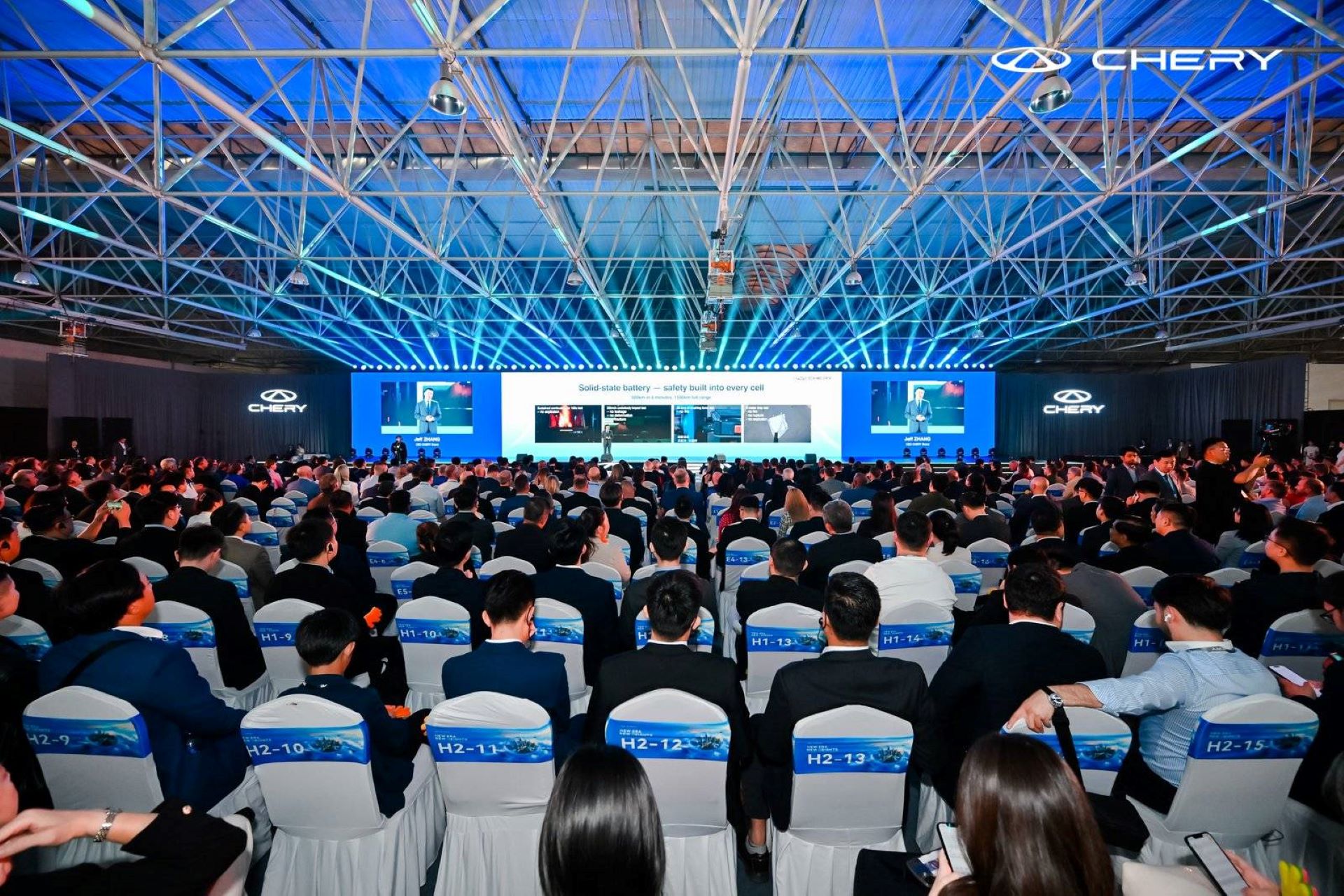
Chery has also acquired Nissan’s manufacturing plant in Rosslyn, outside Pretoria, where production of Jetour’s T-series (T1 and T2) will soon begin. While the different brands operate separately in South Africa, they share most of their mechanicals and parts, strengthening efficiency and scale.
Adding other Chinese manufacturers to the mix, such as GWM with monthly sales of 2 485 units, along with Geely, MG, Changan, DFSK, BYD, Foton and BAIC – the picture becomes clear: underestimating Chinese brands would be a costly mistake.
At the recent Beijing Auto Show, held under the theme Driving the Era, Smart Future, the event spanned 380 000 square metres across 17 halls. A total of 1 451 vehicles were displayed, including 181 global debuts and 71 concept cars, underscoring the scale and ambition of China’s automotive industry.