The deserts of Saudi Arabia once again set the scene for an epic battle of endurance as the 2026 Dakar Rally unfolded from 3 to 17 January, delivering drama, heartbreak and heroics in equal measure.
For South African competitors, it was a rally that demanded everything, yet still highlighted the strength and fighting spirit of Toyota Gazoo Racing South Africa and its GR Hilux crews.
Across almost 8 000 kilometres of brutal terrain, crews faced relentless rocky tracks, towering dunes and complex navigation that punished even the smallest mistake. Two Marathon stages removed the safety net of full service support, forcing drivers and navigators to rely on their own mechanical skills and teamwork to survive. Through it all, all three Toyota Hilux crews reached the finish, a testament to the durability of the cars and the determination of the team.
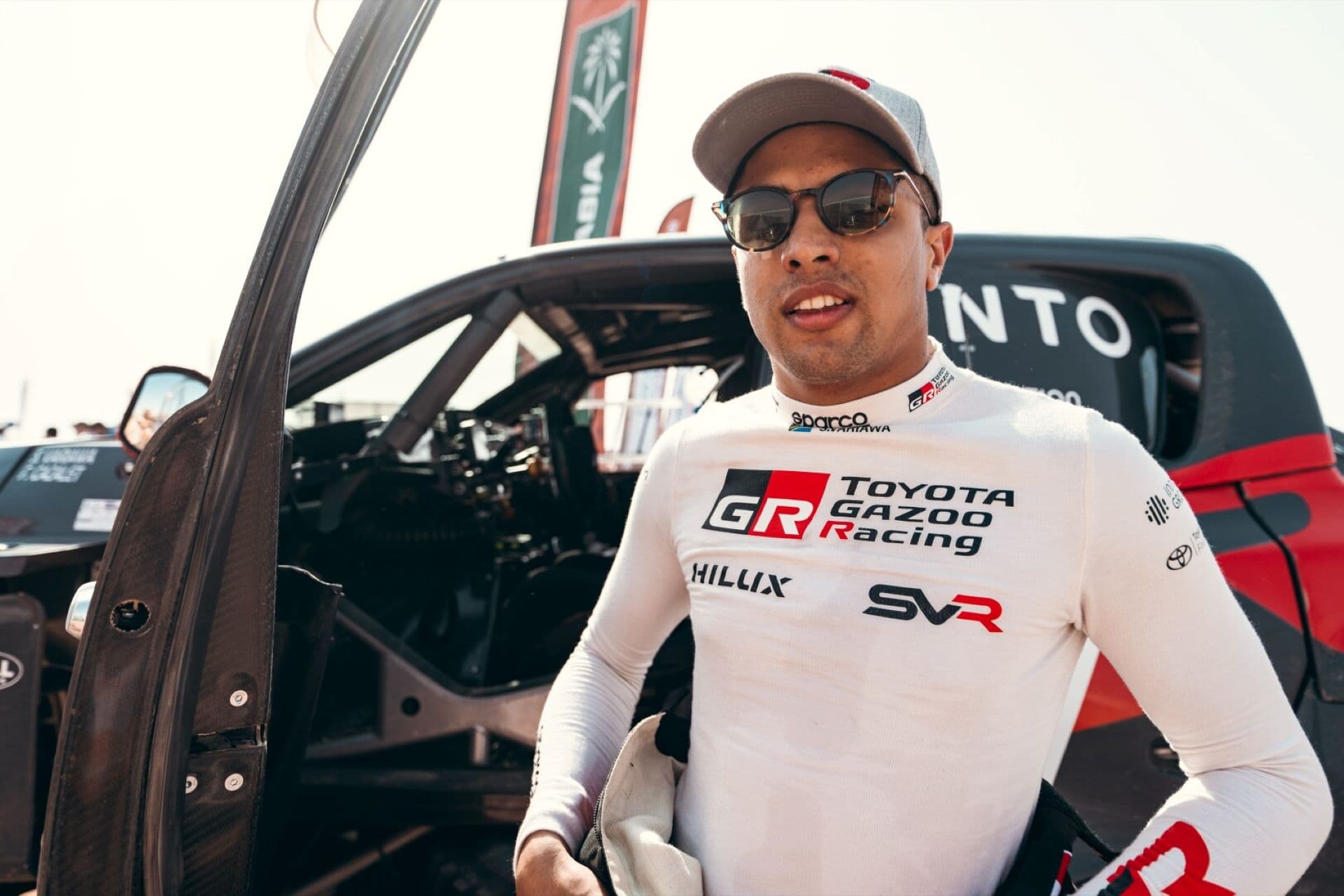
Saood Variawa and Francois Cazalet led the South African charge, finishing tenth overall and securing Variawa the honour of being the country’s top placed driver at Dakar 2026. Their run included a memorable Stage 8 victory and consistent top ten stage finishes. Toyota Gazoo Racing South Africa believes that without punctures, a damaged driveshaft and time lost in difficult navigation sections, the pair had the speed to challenge for a place well inside the overall top five.
The Car category was won by Qatar’s Nasser Al Attiyah, who secured his sixth Dakar title in the Dacia Sandrider with Belgian co driver Fabian Lurquin. Spain’s Nani Roma finished second in a Ford Raptor, followed by Sweden’s Mattias Ekstrom in another Ford.
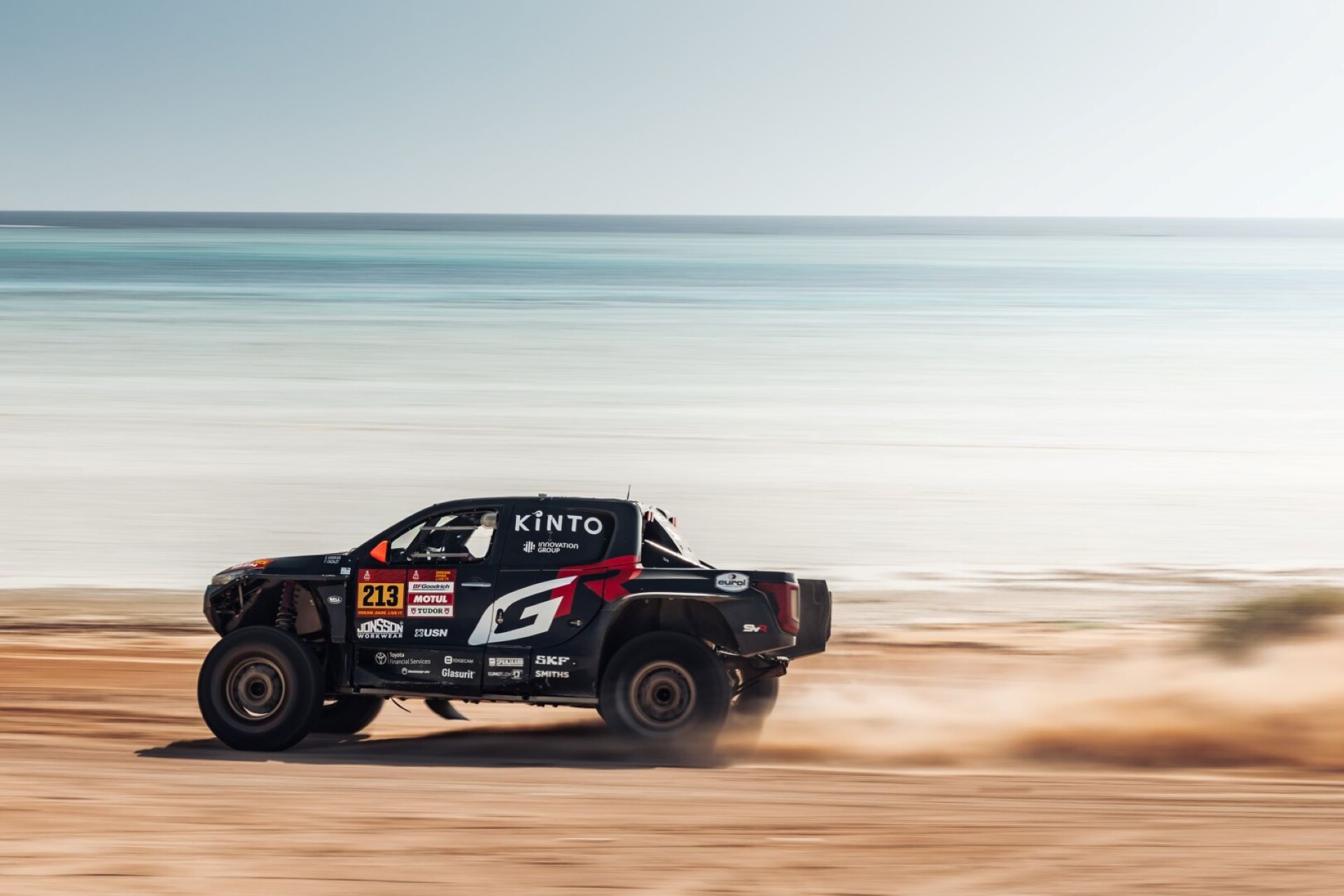
France’s Sebastien Loeb claimed fourth in a Dacia, while Spain’s Carlos Sainz completed the top five in a Ford. The top ten was rounded out by Mathieu Serradori, Lucas Moraes, Toby Price, Seth Quintero and South Africa’s Saood Variawa in the Toyota Hilux IMT EVO.
On two wheels, Argentina’s Luciano Benavides delivered a dramatic victory in the Bikes category, edging American Ricky Brabec by just two seconds on KTM 450 Rally machines. Spain’s Tosha Schareina took third on a Honda CRF450 Rally, with riders from the United States, Australia, Chile, Botswana and Slovenia also featuring in the top ten.
The Challenger T3 class was won by Spain’s Pau Navarro in a Taurus T3 Max ahead of Saudi Arabia’s Yasir Seaidan and Argentina’s Nicolas Cavigliasso. In the Stock class, Lithuanian Rokas Baciuska dominated in the Land Rover Defender Dakar D7X R, followed by Sara Price and Peterhansel. The SSV class victory went to American Brock Heger in a Polaris RZR, while Lithuania’s Vaidotas Zala took top honours in the Trucks category.
Dakar 2026 may have been tough on South African participants, but it was also a powerful reminder that local teams and drivers can compete with the very best in the world on the ultimate stage of rally raid racing.