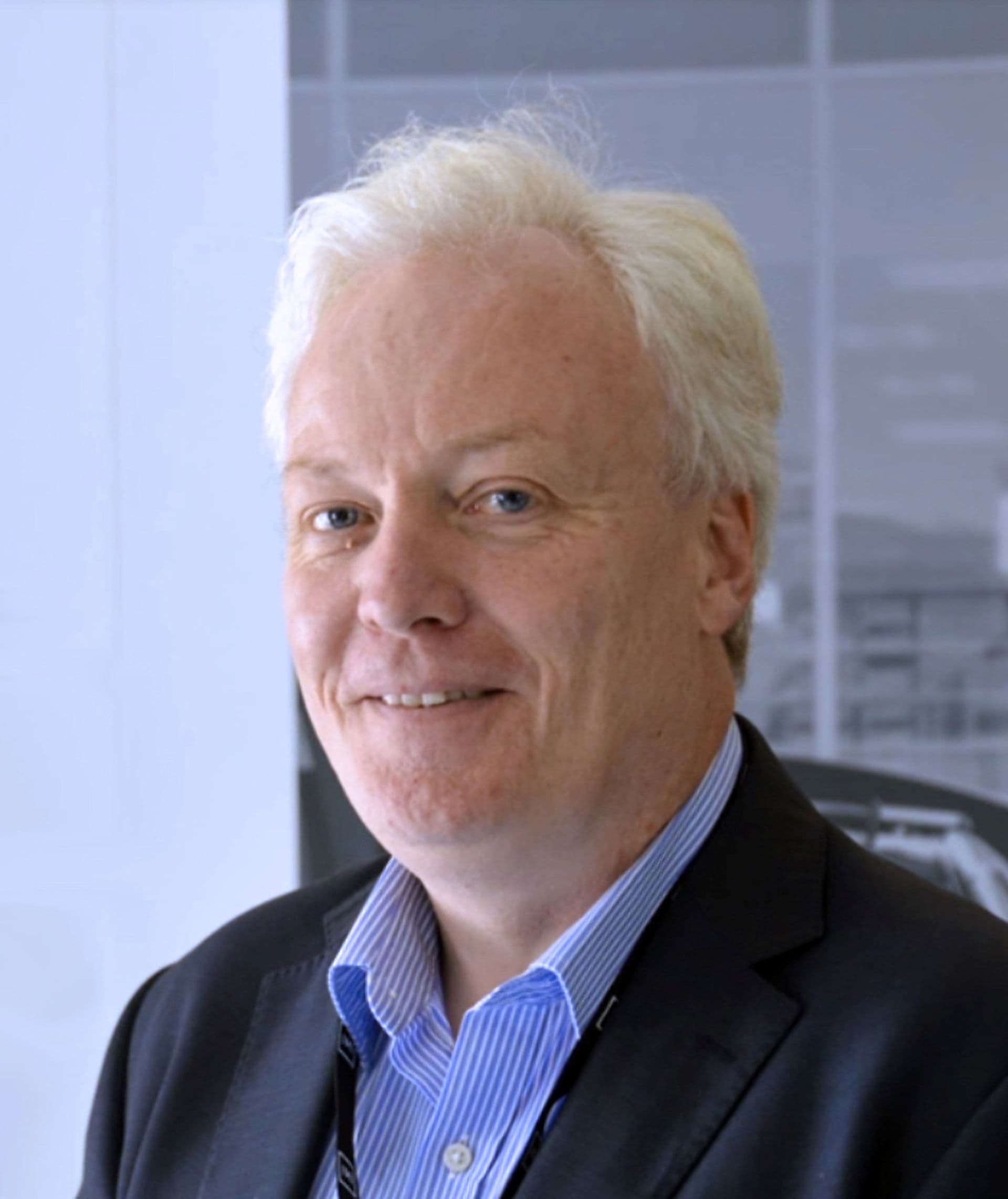
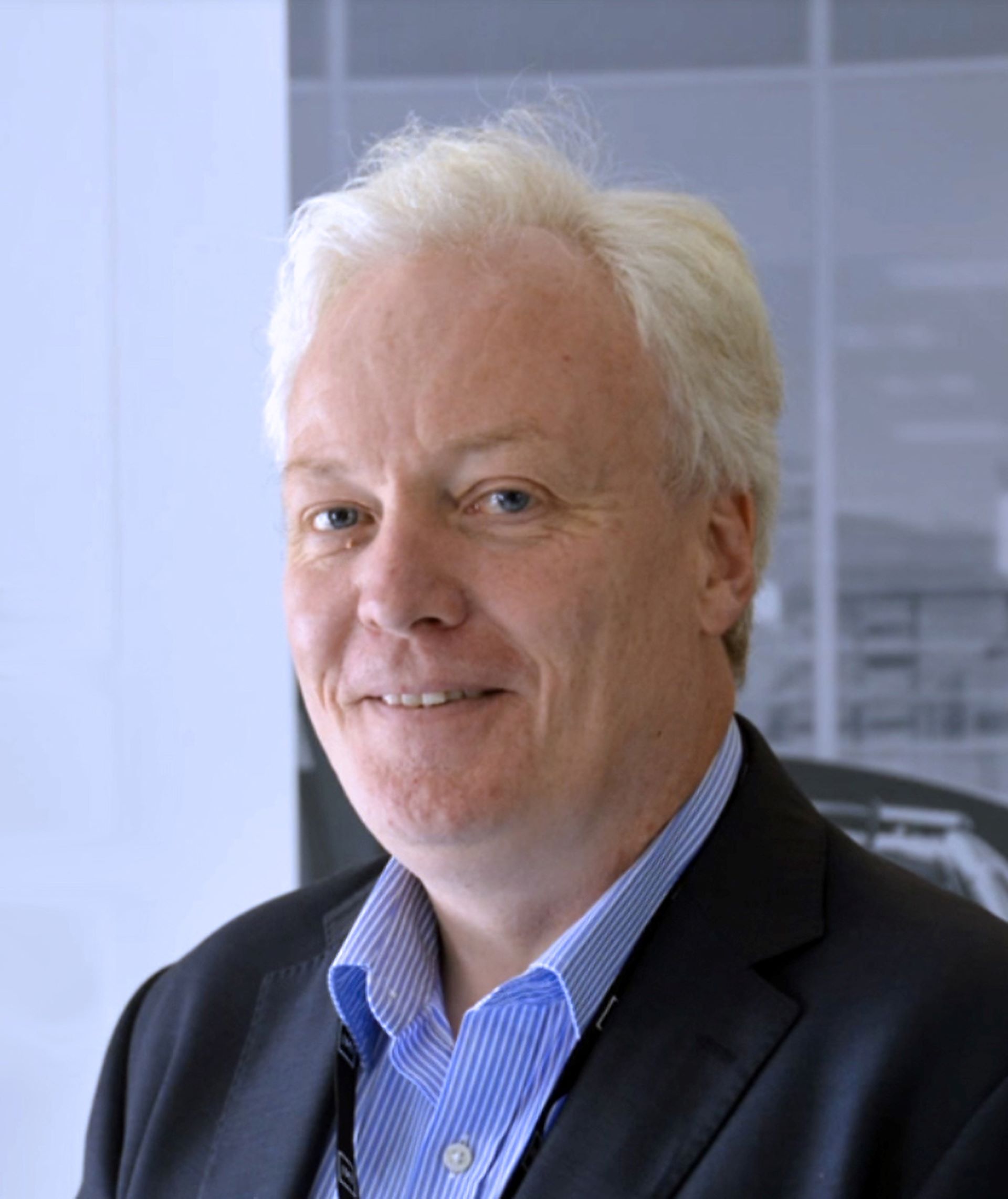
When Andrew Marsh took to the stage at the 2025 Collision Repairers Association (CRA) Conference at Automechanika Johannesburg, he didn’t mince his words.
Marsh is of course a regular at CRA’s conferences, a respected automotive engineer and industry analyst with over three decades of experience in vehicle design, repair technology, and aftermarket strategy. Marsh regularly advises repairers, insurers, and training bodies across Europe and beyond.
The collision repair expert painted a picture of an industry under immense pressure—from global overproduction, misguided regulation, and rapidly evolving vehicle technology—and urged bodyshops to see opportunity where others see crisis.
Marsh began with a staggering statistic: in 2024, China built around 25 million vehicles, nearly a quarter of the world’s total output. With factory space for as many as 50 million vehicles annually, China could soon produce half of the planet’s cars. “It makes no sense,” Marsh warned, “and they know every vehicle exported instantly makes more margin.” As a result, waves of low-cost Chinese vehicles are expected to flood global markets—vehicles that could become the collision repair industry’s next big challenge.
At the same time, Marsh was critical of Europe’s approach to emissions legislation. After seven rounds of increasingly stringent tailpipe rules, manufacturers have spent billions on compliance while being told that pure internal combustion engines will be banned within three years. “They can’t make back the investment in time,” Marsh said. “It’s a manufacturing tax that doesn’t work.” He argued that governments have pushed one solution—battery electric vehicles—without recognising the variety of technologies needed to meet diverse market needs.
This rush to electrify has also created enormous complexity. “We’ve doubled, even trebled the number of model platforms,” Marsh explained, “but not the headcount to support them.” Vehicles now combine multiple powertrains—petrol, diesel, hybrid, and electric—yet after-sales support for repairers hasn’t kept pace. Electronics evolve faster than mechanical systems, and replacement modules can become unavailable within just three years.
Marsh cited BMW’s latest “super brain” control module as an example of the new direction: removing 600 metres of wiring and using thinner cables to save weight. “That’s great on the production line,” he said, “but what happens in the bodyshop? Smaller wires are far easier to damage, and repairability is not even a back-seat issue anymore—it’s not in the car at all.”
Then there’s the rise of ultra-cheap Chinese microcars—vehicles costing as little as €5,000, complete with profit margins. Often classified as quadricycles, these commuter cars can be driven by teenagers or those who’ve lost their licences. But, Marsh warned, “They have no airbags, no crash structure, and almost no repair life. By year three, they’re scrap.”
Yet amid all the disruption, Marsh sees opportunity. As traditional dealerships struggle with wafer-thin margins, bodyshops—already based in low-overhead industrial locations—could evolve into retail and service hubs for used and low-cost vehicles. “You don’t need a showroom,” he noted. “You need salespeople and investment, but your building already works for it.”
He also pointed to the growing business case for remanufactured or replacement electronic modules as OEM support dries up prematurely. Repairers who can offer reliable alternatives for obsolete parts could carve out a valuable niche.
Finally, Marsh reminded delegates that advanced driver-assistance systems (ADAS) calibration is now a fundamental part of the repair process. Whether static, dynamic, or self-checking, calibration must be carried out correctly and documented.
Marsh closed with a call to action: “Be aware—China is a far bigger problem than we could imagine. Manufacturers are struggling to support their own products, and repairers must fill those gaps.”
Marsh’s message was clear. The future of collision repair won’t be decided by carmakers or governments, but by those willing to adapt, innovate, and seize the opportunities change creates.
#Automechanika #Marsh