Artificial intelligence (AI) is rapidly reshaping global industries, and Blackstone president Jon Gray has made it clear that the technology’s disruptive force is now a top strategic concern for the world’s largest alternative asset manager.
Speaking at the WSJ Invest Live event, Gray stressed that businesses must consider AI’s impact in almost every decision they make.
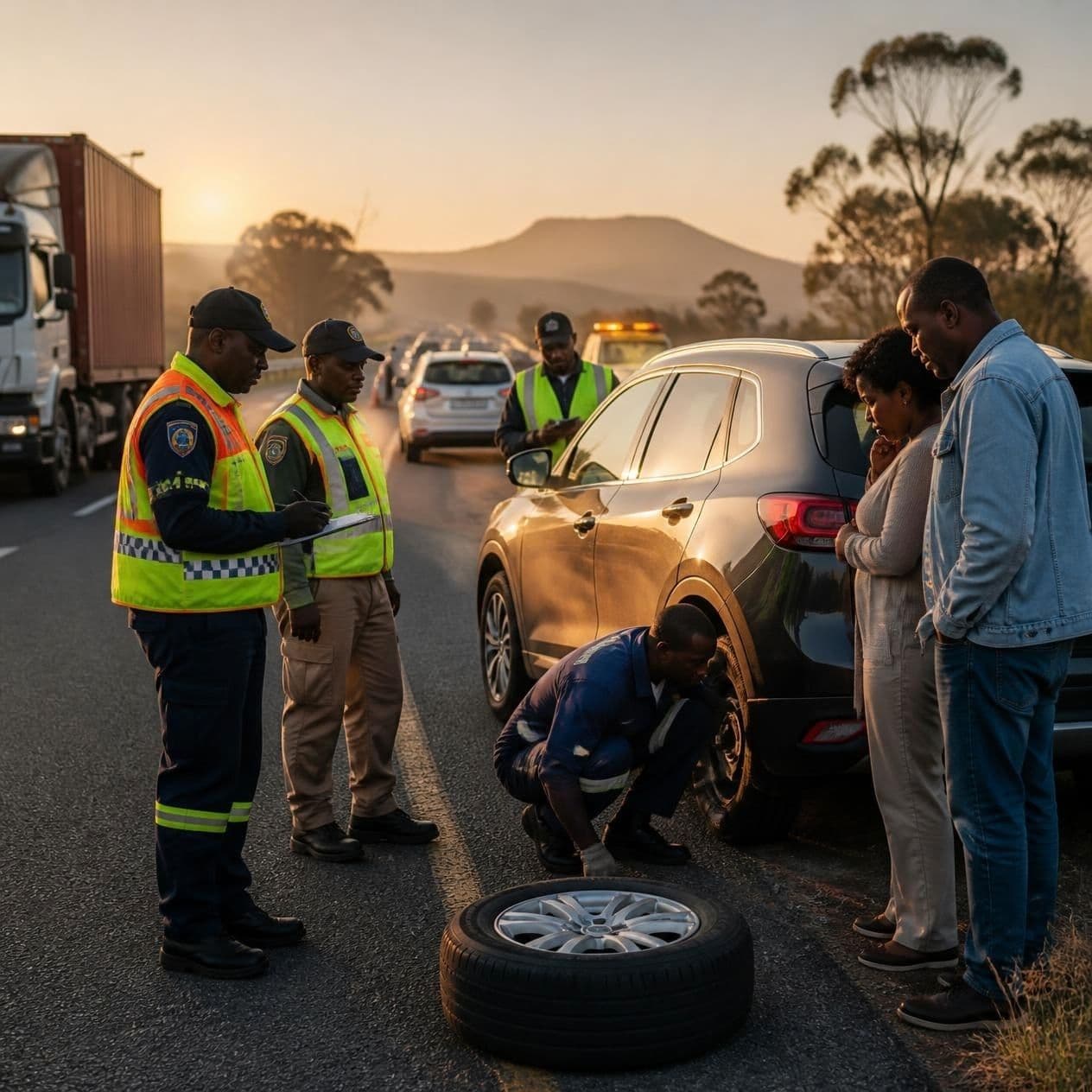
Blackstone oversees more than R20 Trillion ($1.27 trillion) in assets spread across nearly every sector. While some holdings—such as food outlets and residential property—face relatively low risk, others stand to undergo profound change. Gray pointed specifically to auto insurance and collision repair as sectors already experiencing the early stages of disruption, driven by insurers lowering premiums for drivers of increasingly automated vehicles.
This shift is no abstraction for the collision-repair industry. AI is accelerating change on multiple fronts. Modern driver-assistance systems are expected to reduce accident frequency in the long term—potentially shrinking repair volumes—but when collisions do occur, repairs are becoming more complex and expensive due to advanced sensors and onboard electronics. The collision sector is already grappling with these contradictory pressures, according to market analyses highlighting AI’s uneven but powerful influence.
At the same time, AI tools are transforming workshop operations. Image-recognition systems can assess vehicle damage in under two minutes, dramatically speeding up estimation and claim approval. Workshops using AI-driven diagnostics report accuracy gains of up to 40%, while AI-based image recognition can halve diagnostic time. These improvements boost productivity but also require new skills and investments from repair centres.
Customer interactions are shifting too. AI chatbots now handle around 60% of consumer enquiries in repair shops, reducing missed calls and improving response times. Predictive analytics are also helping workshops manage parts inventories more efficiently, cutting waste by as much as 45%.
Blackstone is betting heavily on “picks-and-shovels” infrastructure—data centres, power networks and digital platforms powering the AI boom. These investments, Gray argues, will be essential regardless of which AI applications win out in the marketplace.
For collision repairers, however, the message is more nuanced: AI offers major efficiency gains, but also long-term structural challenges. Understanding both sides of that equation may soon be as critical as the repairs themselves.