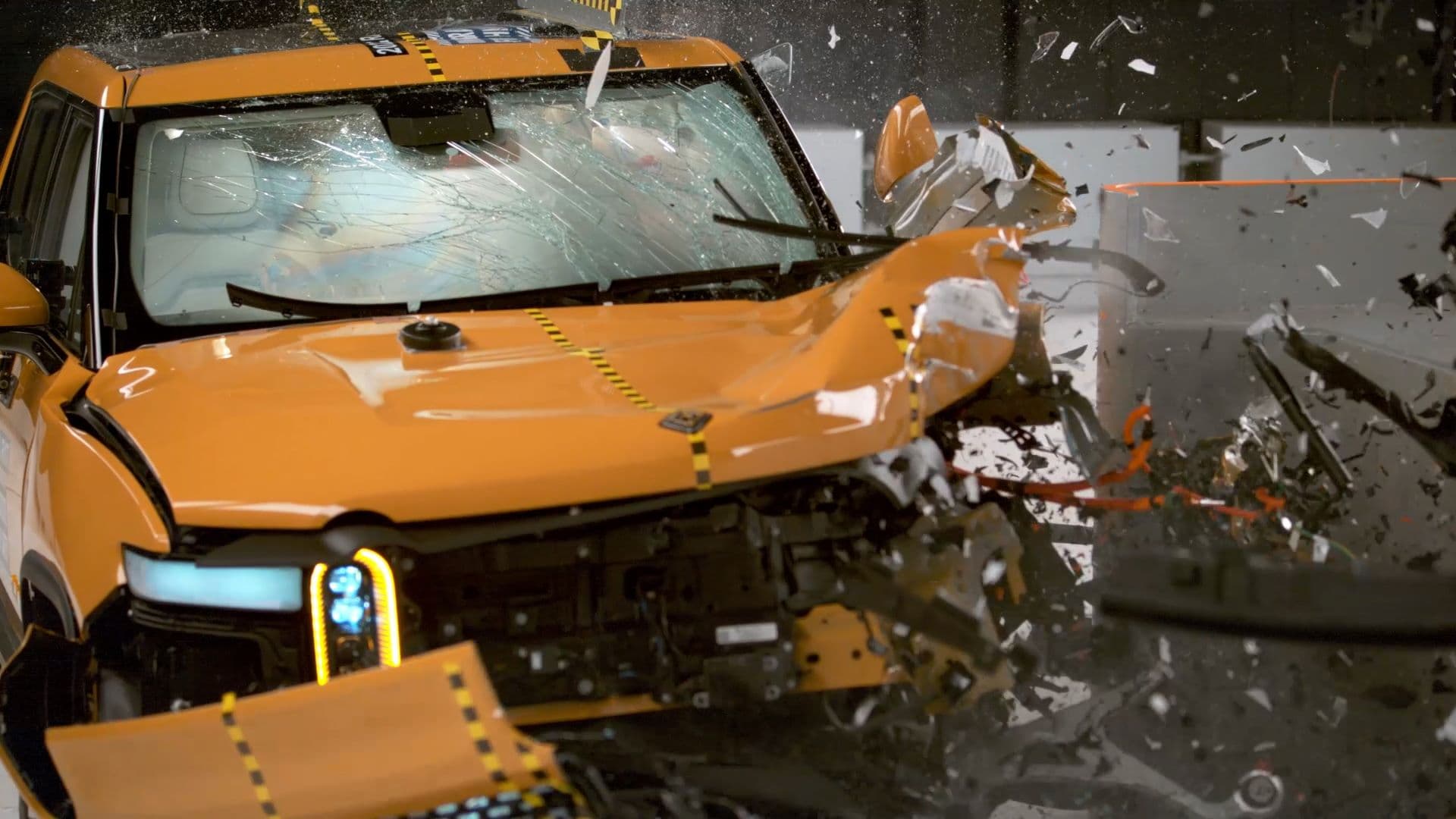
In today's interconnected automotive market, vehicle safety standards have become increasingly harmonised across continents. For South African collision repair professionals, understanding the global landscape of New Car Assessment Programs (NCAPs) is crucial, as these independent testing bodies significantly influence the safety features and structural designs of vehicles that eventually reach our shores.
NCAPs serve as vital consumer information tools, providing star ratings that help buyers make informed decisions about vehicle safety. More importantly for the collision repair industry, these programmes drive manufacturers to incorporate advanced safety technologies and robust structural designs that we encounter daily in our workshops.
The Asian PowerhousesThe Asia-Pacific region hosts several influential NCAP programmes, each reflecting regional automotive priorities and market conditions. Australia and New Zealand's ANCAP remains one of the most rigorous globally, having aligned closely with Euro NCAP protocols since 2018. This harmonisation ensures that vehicles sold in Australasia meet exceptionally high safety standards.
India's recently launched Bharat NCAP (BNCAP) represents a significantdevelopment in the world's largest automotive market. Introduced in 2023, BNCAPoperates as a voluntary programme that goes beyond India's regulatoryrequirements, testing vehicles at speeds of 64km/h for frontal offset impacts and50km/h for side impacts. This initiative is particularly relevant for South Africa, given our shared automotive manufacturing relationships with Indian companies.
Mahindra and Tata vehicles are put to the test by BNCAP as well as most of theSuzuki models available in South Africa.
Japan's JNCAP, administered by NASVA (National Agency for Automotive Safetyand Victims' Aid), continues to set benchmarks for advanced safety technologies,whilst South Korea's KNCAP maintains some of the world's most stringent testingprotocols, often exceeding even Euro NCAP standards. China's C-NCAP, historicallymore lenient, has been steadily improving its protocols to align with global bestpractices.
Toyota and most Lexus and Land Cruiser vehicles are tested by JNCAP.
The ASEAN NCAP programme covers Southeast Asian markets including Malaysia,Thailand, Indonesia, and the Philippines, focusing on improving safety standards inemerging automotive markets—a mission that resonates with South Africa's ownautomotive development goals.
Proton is just one of the brands that has to make the ASEAN grade in order to beregarded as safe.
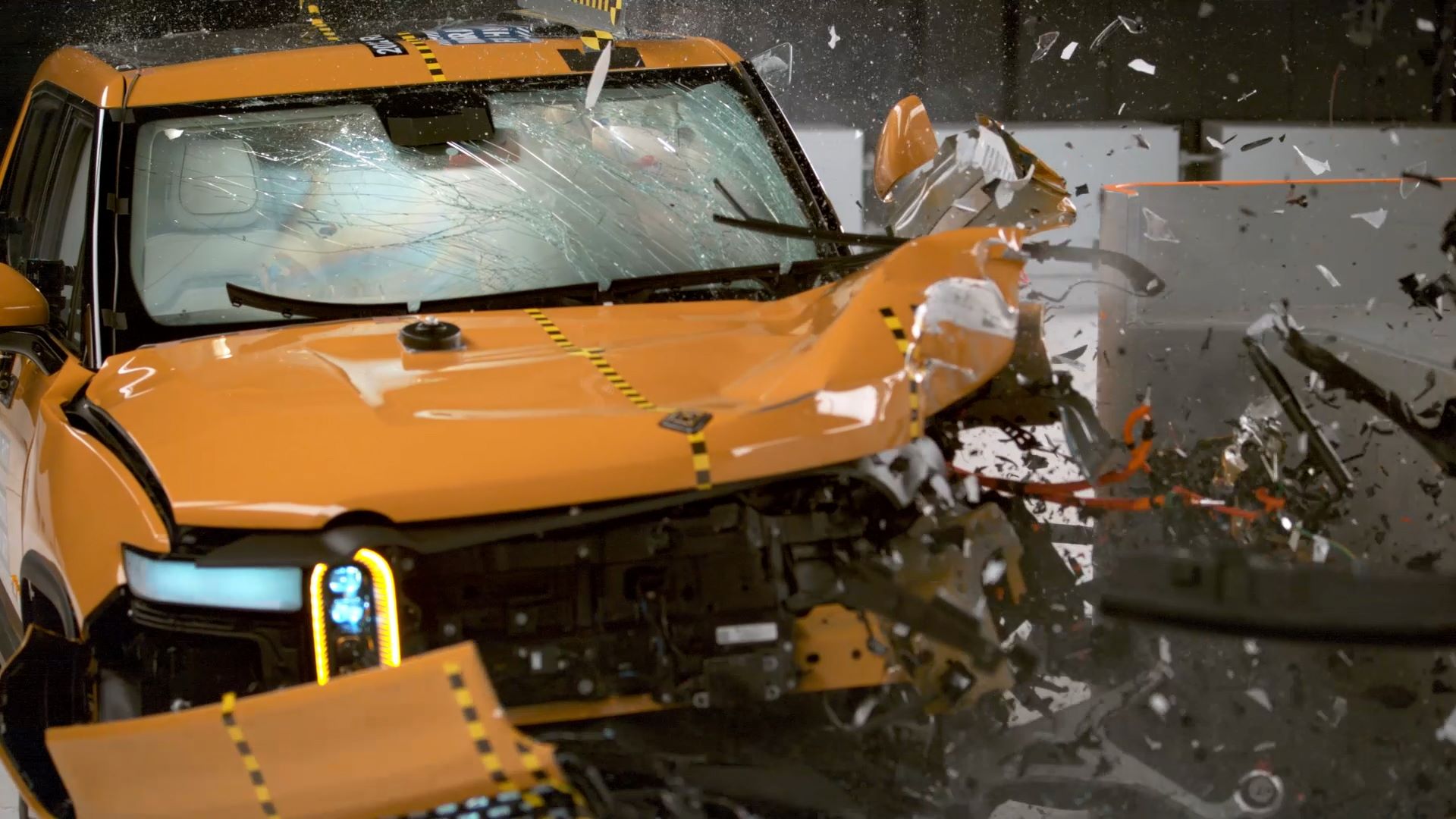
European ExcellenceEuro NCAP remains the gold standard for vehicle safety assessment, with itsprotocols serving as benchmarks for programmes worldwide. The Europeanprogramme's influence extends far beyond EU borders, with many globalmanufacturers designing vehicles to meet Euro NCAP's demanding requirementsregardless of their intended market. This approach benefits South Africanconsumers, as many vehicles sold locally are designed to these elevated standards.
Some of the world’s top brands, including Volkswagen, Mercedes-Benz, Opel andBMW must meet the standards of the Euro NCAP.
The Americas ApproachThe United States operates two distinct but complementary safety assessmentsystems. The National Highway Traffic Safety Administration (NHTSA) providesofficial government ratings using a five-star system, whilst the Insurance Institute for Highway Safety (IIHS) conducts independent, highly detailed testing that significantly influences American automotive design.
Jeep is rigorously tested by these organisations
Latin NCAP serves the Caribbean and Latin American markets, increasingly aligningits protocols with Euro NCAP standards to improve vehicle safety in emergingmarkets. This programme's work mirrors challenges faced in South Africa, wherediverse economic conditions influence vehicle choice and safety priorities.
In the past both Fiat and earlier versions of the VW Amarok received their safetyratings from the Latin NCAP.
African InitiativesGlobal NCAP's Africa Programme addresses the unique challenges of the Africanautomotive market, often testing entry-level vehicles sold across the continent. Thisinitiative recognises that vehicle safety cannot be a luxury reserved for premiummarkets—a principle highly relevant to South Africa's diverse automotive landscape.
This programme involves a joint effort by AA and Safer Cars for Africa. Recently theMahindra XUV300 received a five-star rating by this programme and is nowconsidered as one of the safest vehicles in Africa. Other models like the SuzukiBaleno, Fiat 500, and Renault Kwid were also highlighted as having acceptablesafety features.
Implications for South African Collision RepairUnderstanding these global NCAP programmes provides valuable insight into thesafety technologies and structural designs that collision repair professionals encounter. Vehicles designed to meet stringent NCAP requirements typically feature advanced high-strength steels, sophisticated crumple zones, and integrated safety systems that require specialised repair techniques and equipment.
As these programmes continue evolving and harmonising their standards, collisionrepair facilities must stay abreast of changing vehicle technologies and repairmethodologies. The influence of NCAPs extends beyond initial vehicle design,affecting everything from replacement part availability to calibration requirements for advanced driver assistance systems.
The global NCAP network represents a collaborative effort to improve vehicle safety worldwide, with each programme contributing unique insights and standards that ultimately benefit consumers and industry professionals alike. For South African collision repair specialists, understanding this landscape is essential for maintaining expertise in an increasingly sophisticated automotive environment.
In upcoming articles, we'll examine each NCAP programme in detail, exploring theirspecific testing protocols, rating systems, and implications for collision repairpractices.