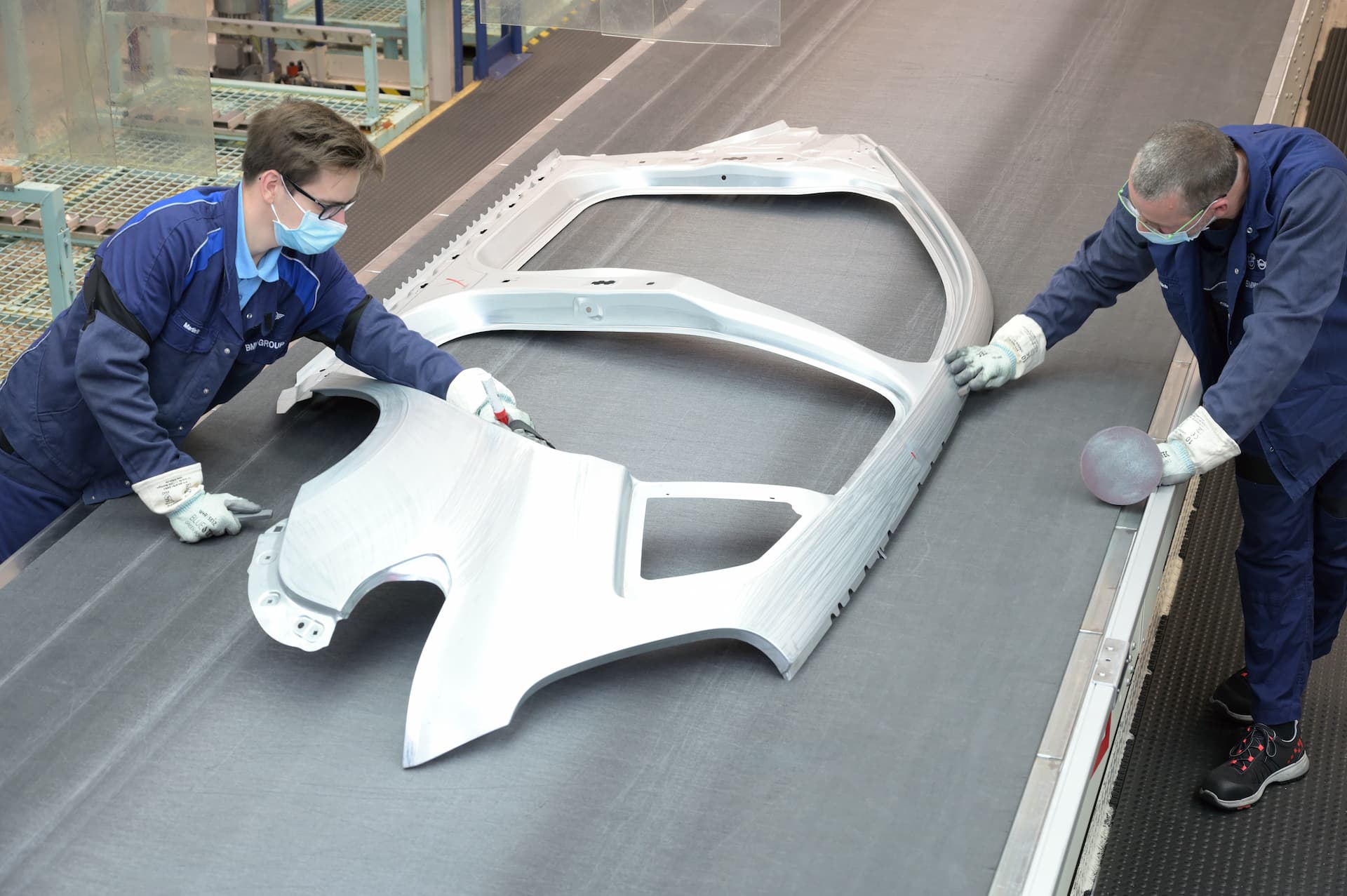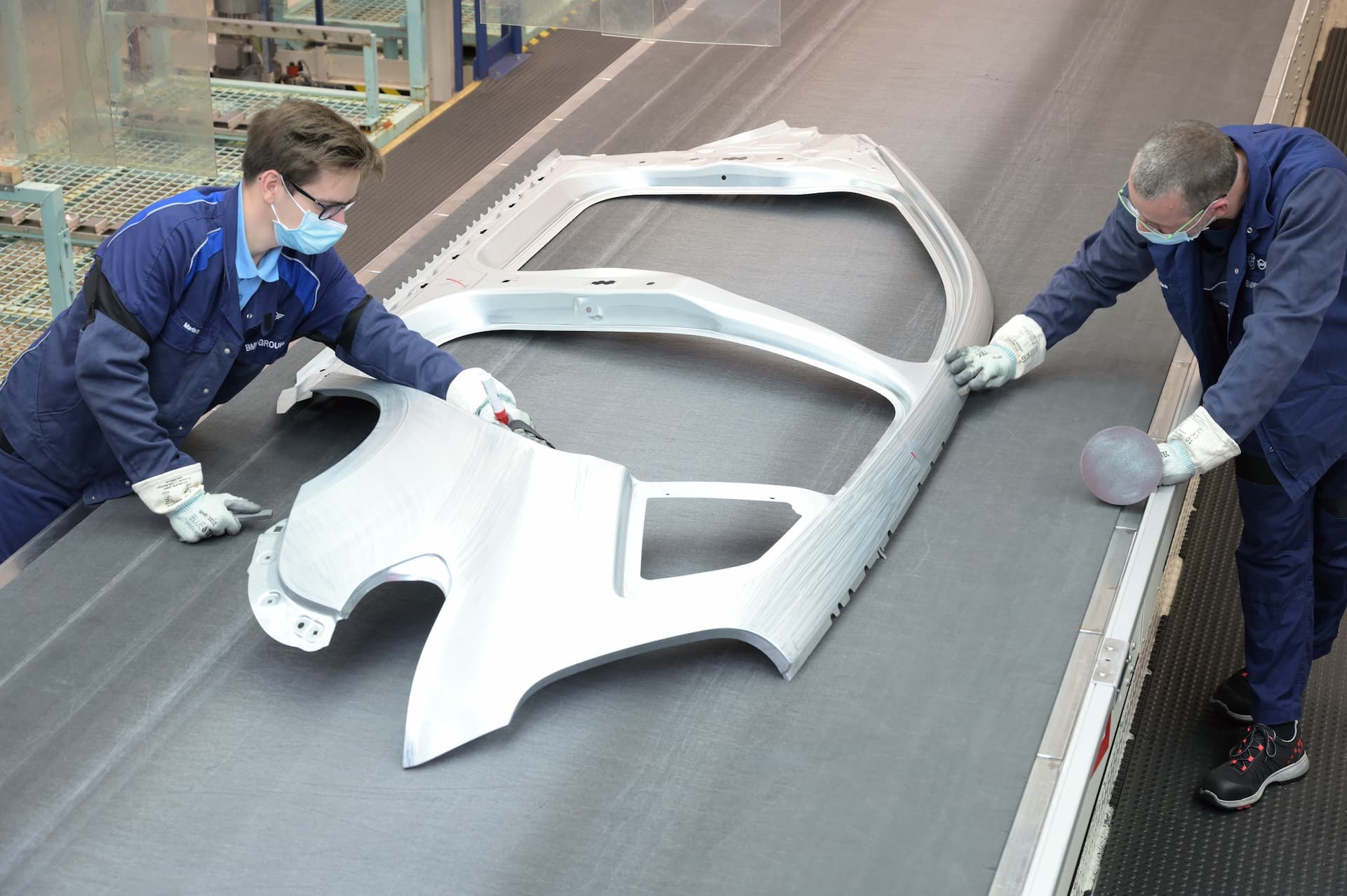
BMW Group has signed an agreement with Salzgitter for the delivery of low-carbon steel. The material will be used in standard production of cars at BMW’s European plants from 2026. “Our aim is to reduce vehicles’ lifecycle carbon footprint with a holistic approach,” said Joachim Post, member of the Board of Management of BMW responsible for Purchasing and Supplier Network. “With steel, in particular, we are leading the way by sourcing low-carbon steel for our plants in Europe in the future.” Gunnar Groebler, CEO of Salzgitter, said ‘circularity’ is at the centre of the company’s strategy. “We firmly believe that closed loops of recoverable materials can only realise their full effect with strong partners. We are delighted about the circular economy cooperation with the BMW Group and the agreement to supply green steel to our long-standing customer. Partnering for Transformation – this is how we will translate our new corporate vision into practice.” Salzgitter is BMW’s second supplier of low-carbon steel, after Swedish start-up H2 Green Steel signed a supply agreement with the vehicle manufacturer last October. H2 Green Steel will supply BMW’s European plants with steel produced exclusively using hydrogen and green power from renewable energies from 2025 onward. BMW said this process will reduce CO2 emissions by around 95 per cent. Together, the two suppliers will produce more than 40 per cent of the steel required by the company’s European plants by 2030 and save around 400,000 tonnes of CO2 emissions per year. Due to its energy-intensive manufacturing process, steel production generates high CO2 emissions. However, because of its versatility, BMW said steel will continue to account for a large proportion of vehicle bodies and many components. The company’s press plants in Europe currently process more than half a million tonnes of steel per year. To lower CO2 emissions from steel production on a massive scale, Salzgitter is gradually switching to near-carbon-free production. According to BMW, electricity from renewable sources and its use in the production of hydrogen from electrolysis are key elements of the transformation. This ‘green’ hydrogen will replace the coal used in the conventional blast-furnace process, made possible by so-called direct reduction plants which use hydrogen to directly reduce iron ore to iron in the solid state. The solid iron is then melted down with steel scrap in an electric arc furnace powered by renewable electricity. In addition to sourcing low-carbon steel, BMW has invested in an ‘innovative’ method for carbon-free steel production developed by American start-up Boston Metal, through its venture capital fund BMW i Ventures. Boston Metal uses electricity for its new technology which, by means of an electrolysis cell, produces molten iron that is processed into steel. BMW said if electricity from renewable energies is used for this process, then steel production is carbon-free. Over the coming years, Boston Metal plans to expand the method for steel production on an industrial scale.