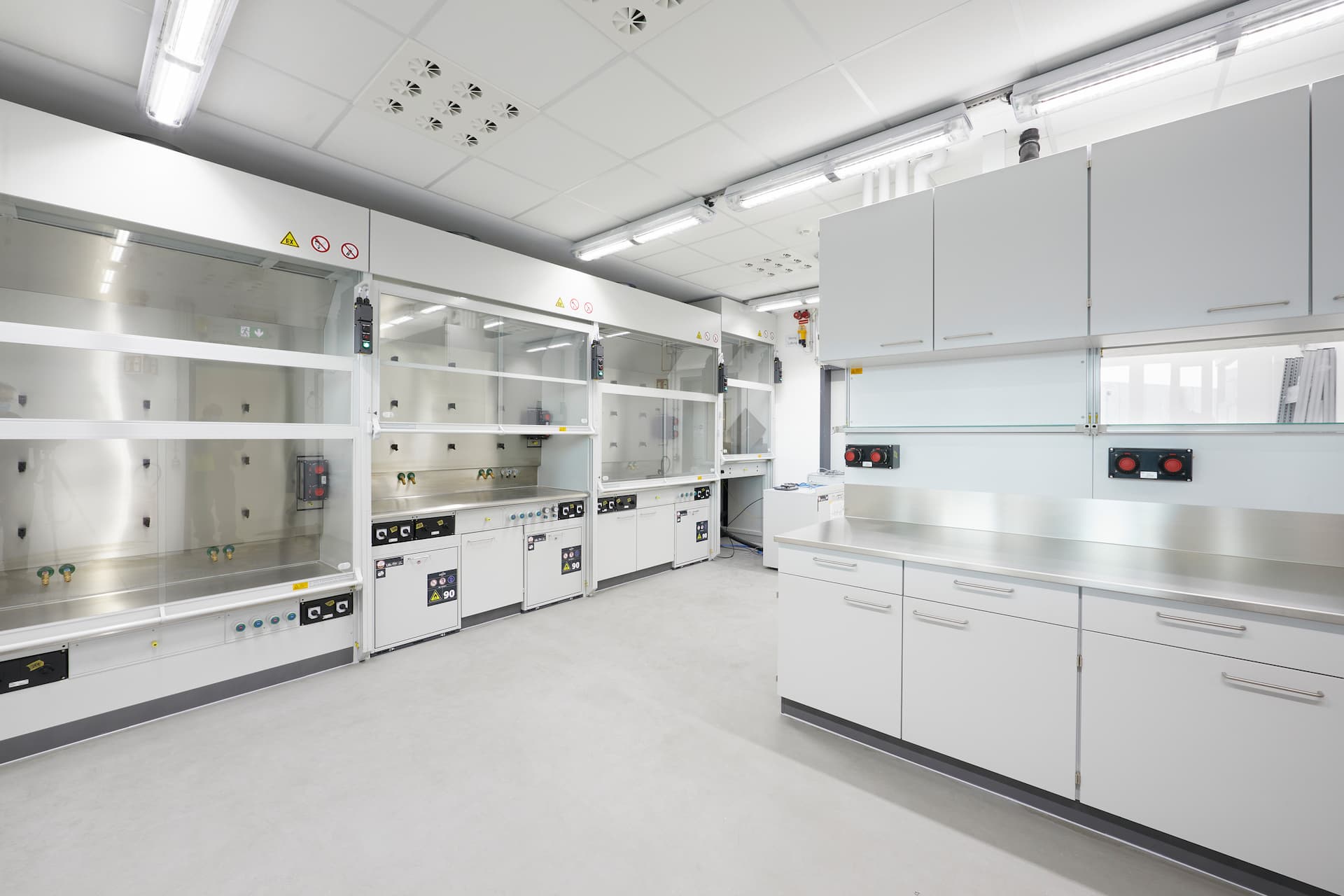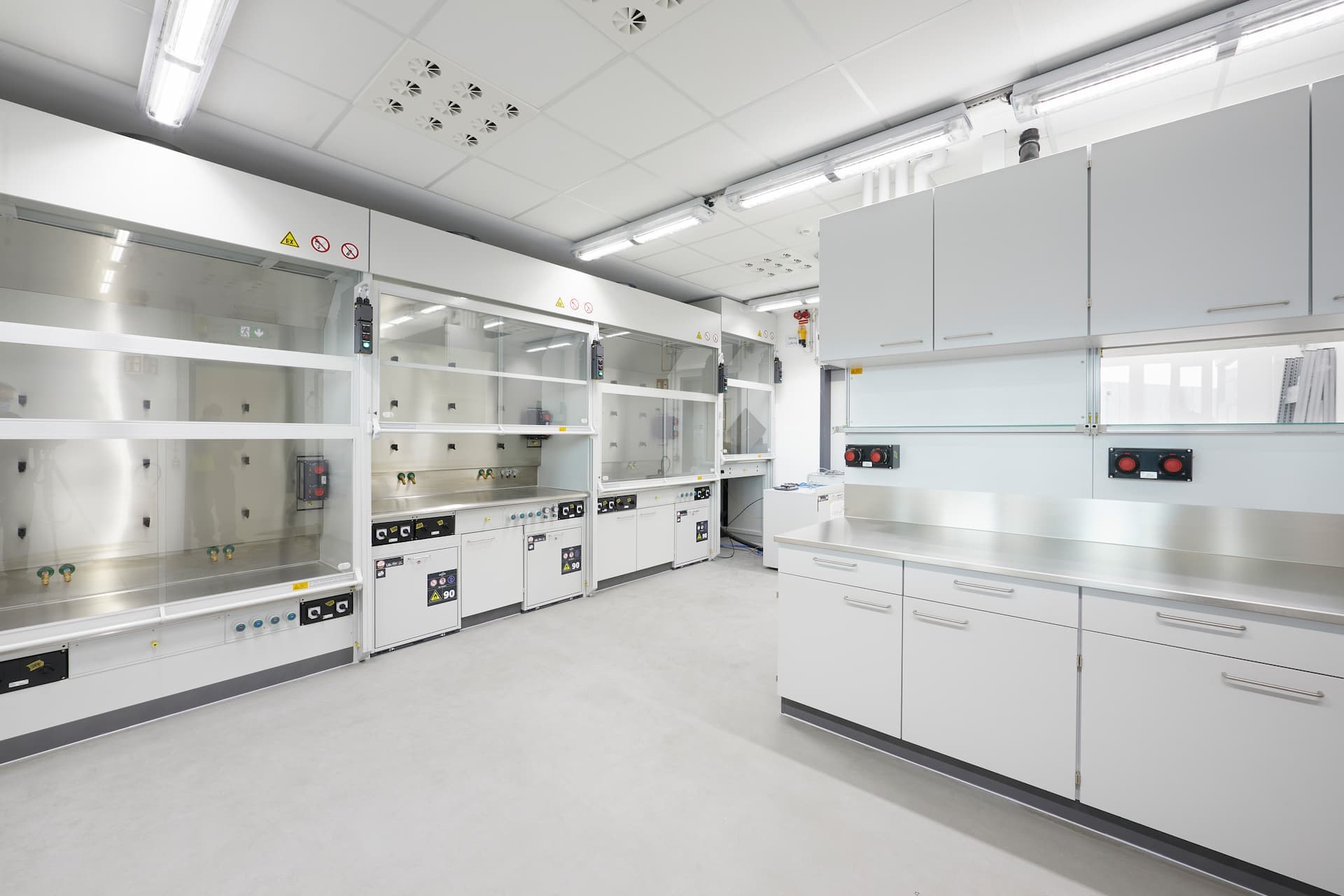
BASF has opened a new laboratory building for the development of automotive refinish coatings and innovations “beyond paint” at its site in Muenster, Germany. The company said the building underlines its Coatings division’s global position as a future-oriented and innovative company. “It is another component of our positioning as a global innovation centre of BASF Coatings,” said Uta Holzenkamp, Head of BASF’s Coatings division. “We are thus complementing a series of global technical innovations. This includes the ‘Lean Lab’, which we started operating in 2018 at this site, as well as our plant for the functionalisation of films for various industries.” According to BASF, the new building allows the Coatings division to contribute to the company’s target of reaching net zero carbon emissions for 2050. Chris Titmarsh, Head of Automotive Refinish Coatings Solutions EMEA, said the laboratory building is “a huge milestone” for the development and formulation of sustainable product solutions. “This includes our state-of-the-art waterborne refinish paint portfolio Glasurit 100 Line and R-M AGILIS. With the lowest value of volatile organic compounds (VOCs) on the market, they are the eco-friendliest automotive refinish paint lines available,” Titmarsh said. In addition to manufacturing sustainable products, BASF said the site will use energy for production more efficiently and increase the use of renewable energies. The laboratory is supplied with thermal energy from residual heat, released via underfloor heating, from the company’s waste incinerator. Since the beginning of the year, the electricity purchased at BASF Coatings’ sites in Muenster and Wuerzburg, Germany, has been generated ecologically from wind power. BASF said compared to the previous year, around 4000 tons of carbon dioxide will be saved in Muenster alone. BASF said the laboratory building creates “future-oriented workplaces”. The facade is designed in six different grey-blue nuances that change depending on the perspective and time of day, while innovative arrangement of the laboratories, warehouses, offices and meeting rooms enables a new, agile form of collaboration intended to promote efficiency, effectiveness and overarching collaboration and creativity.